

-1024x1024.webp)
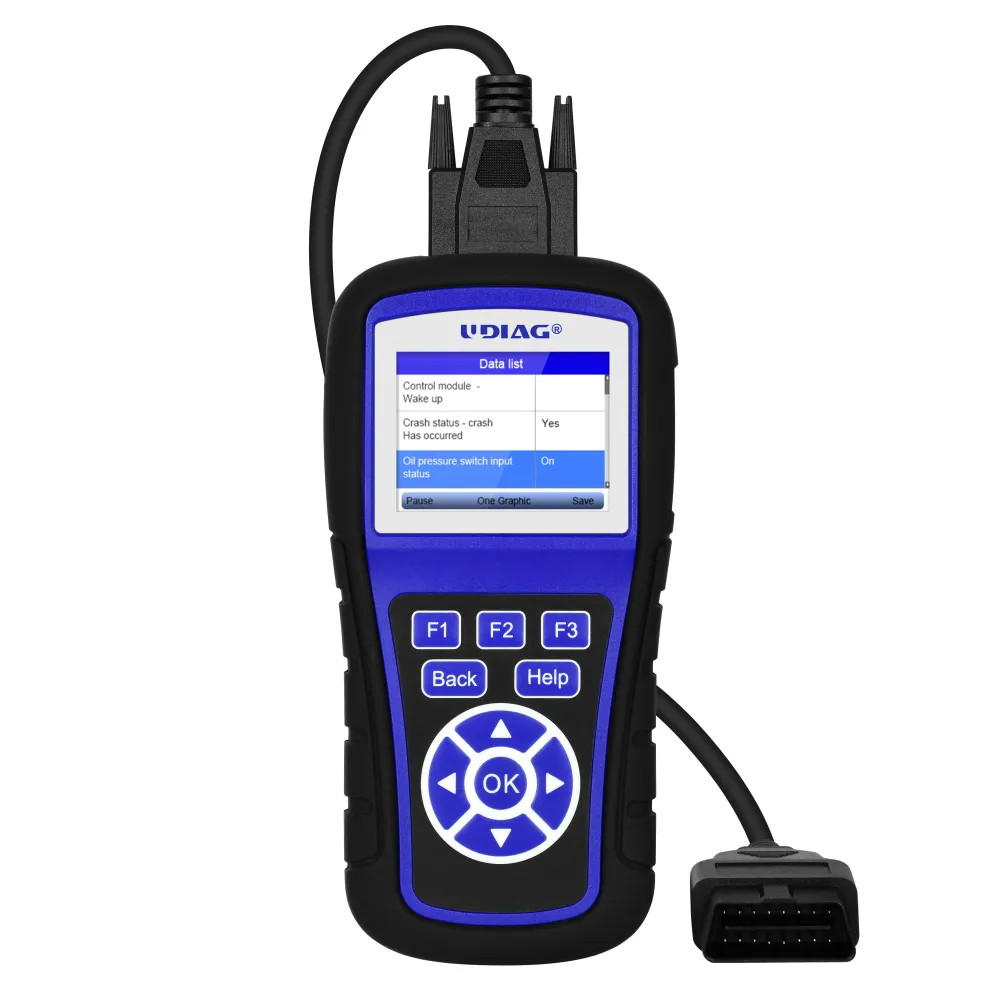
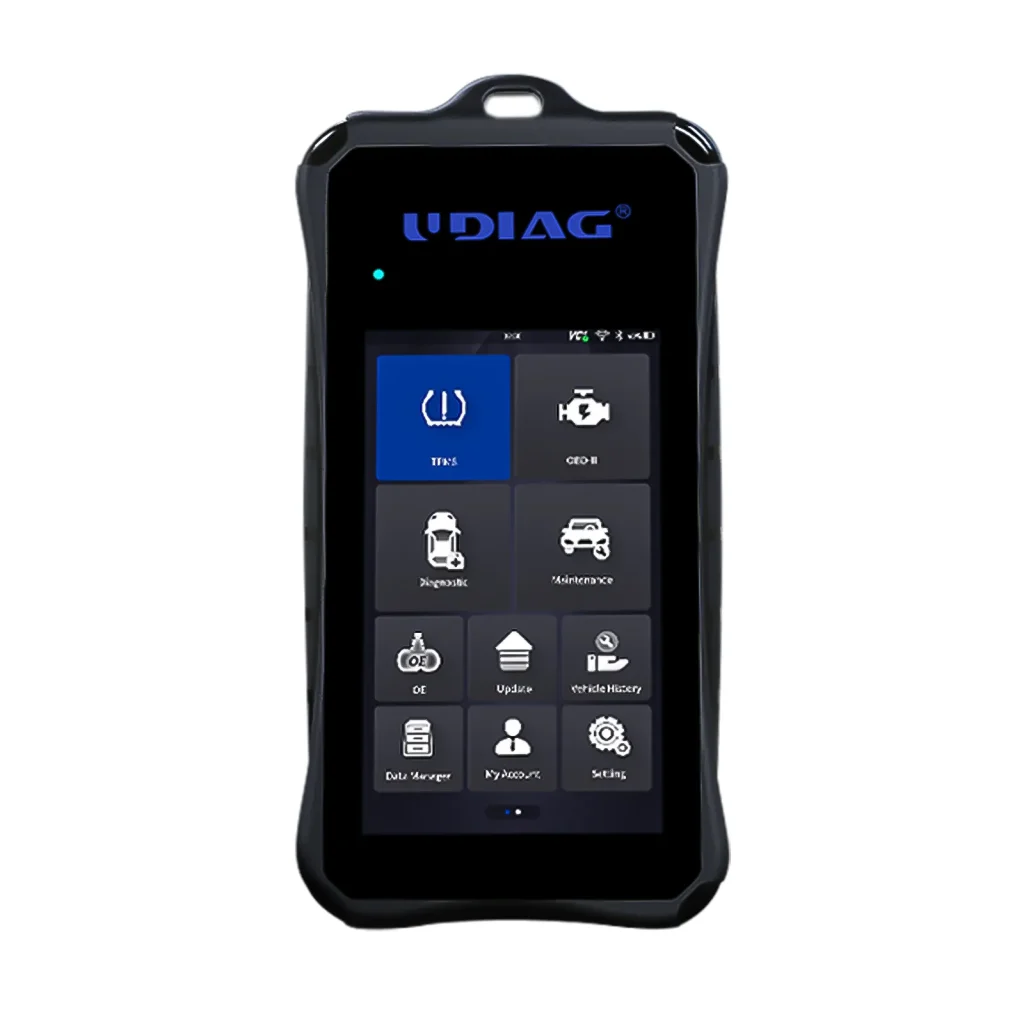
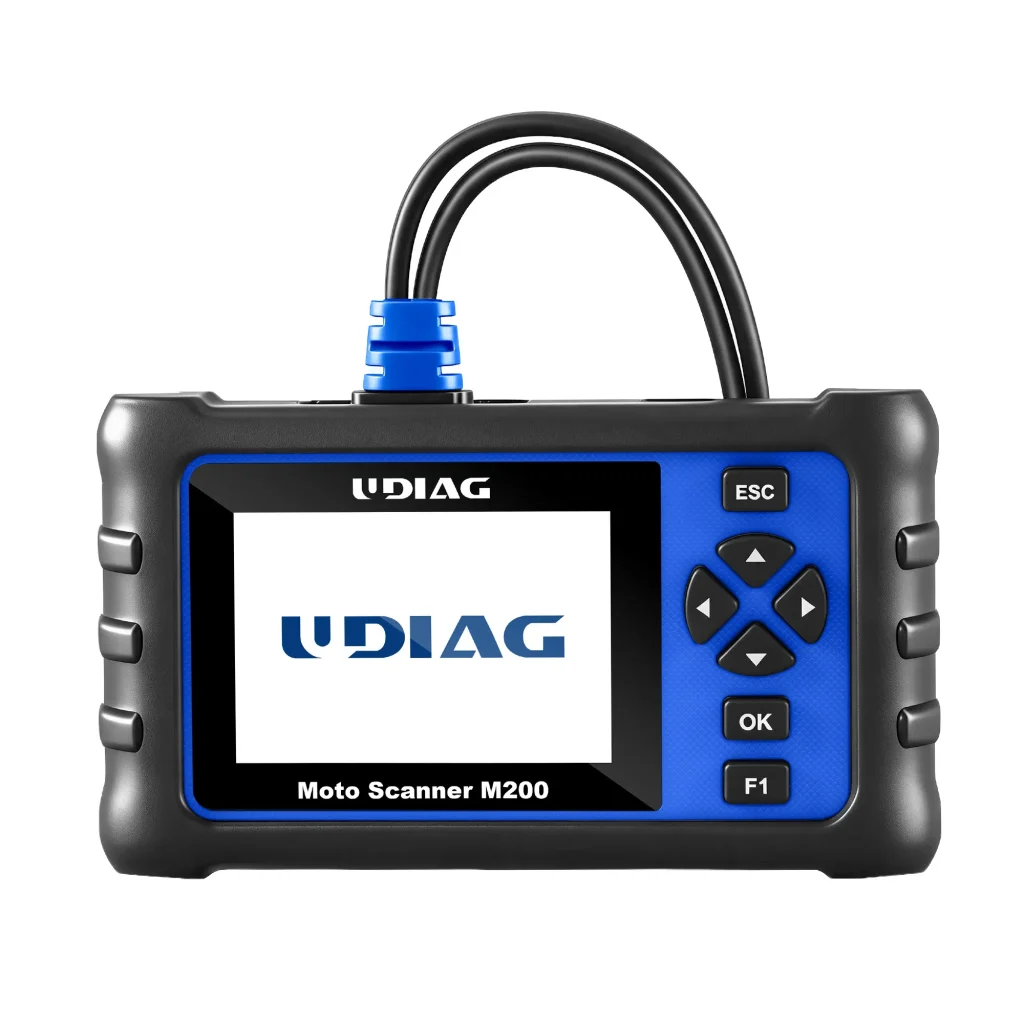
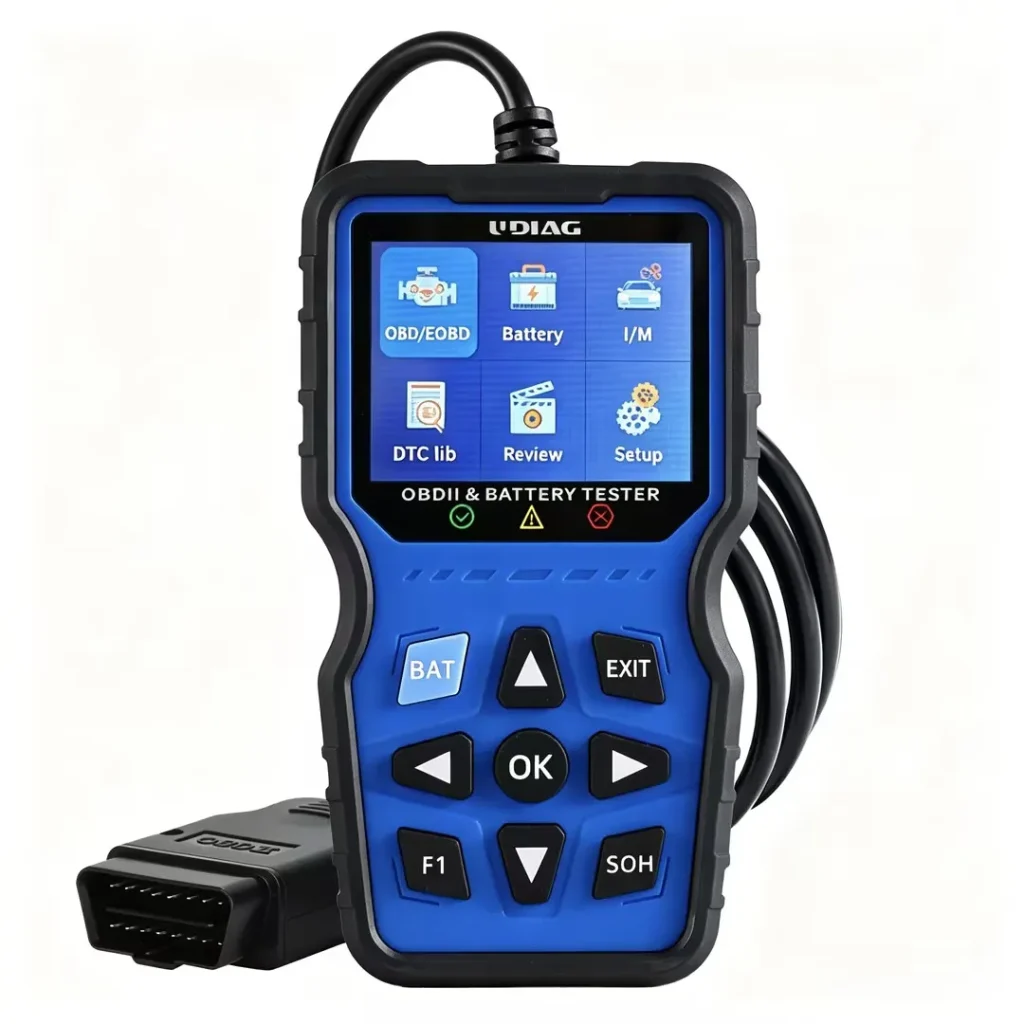
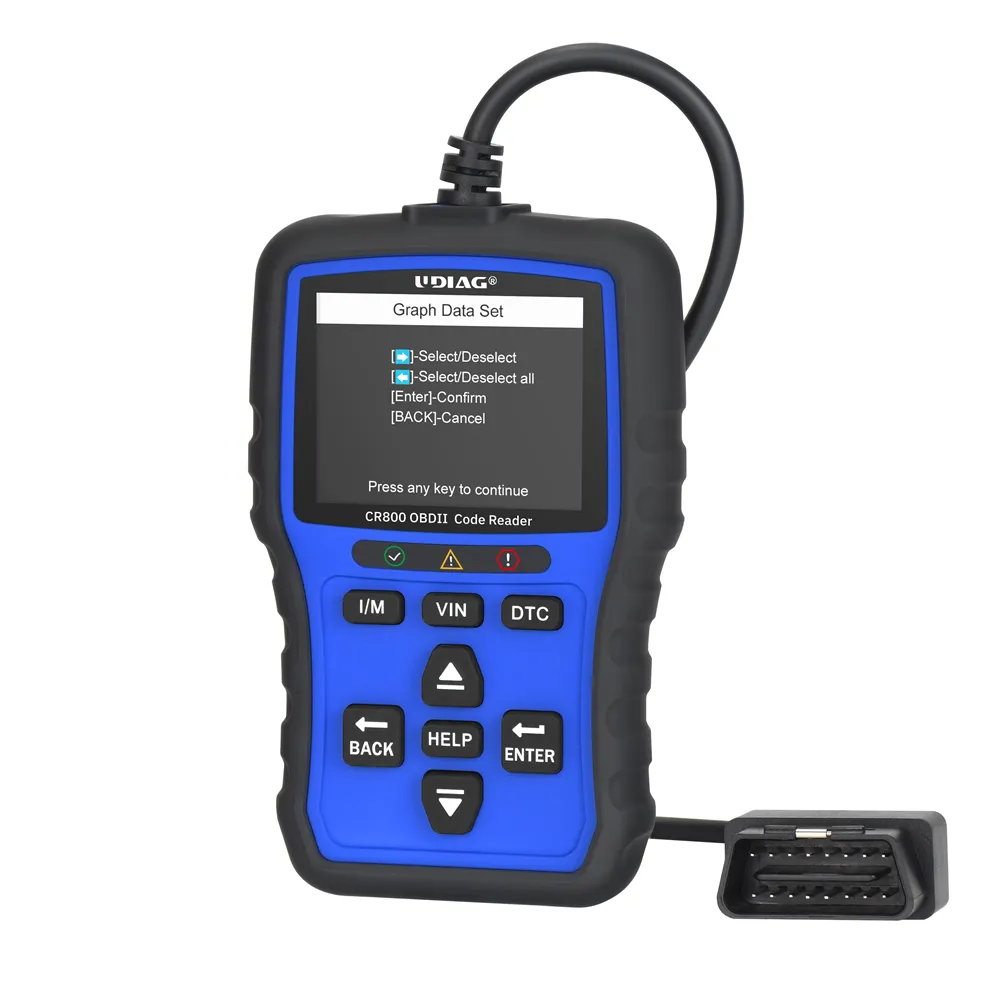
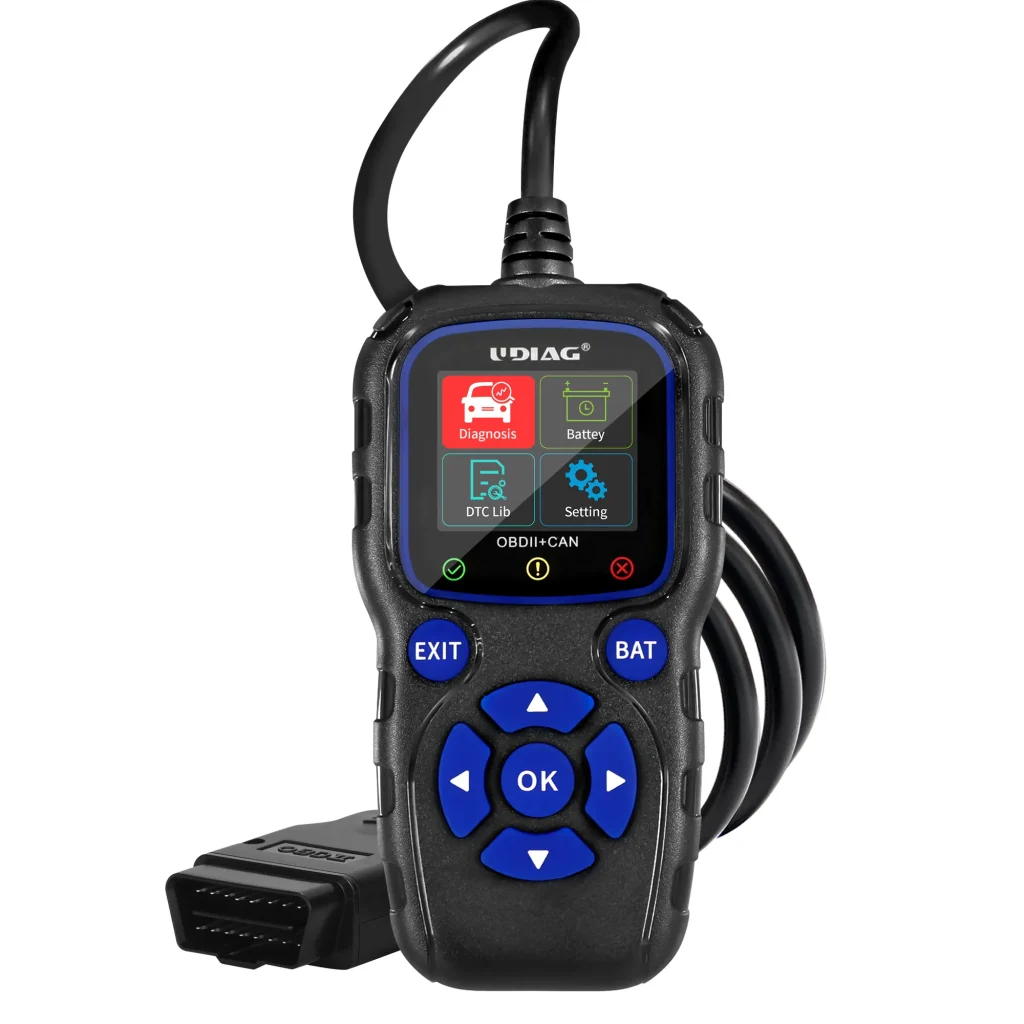


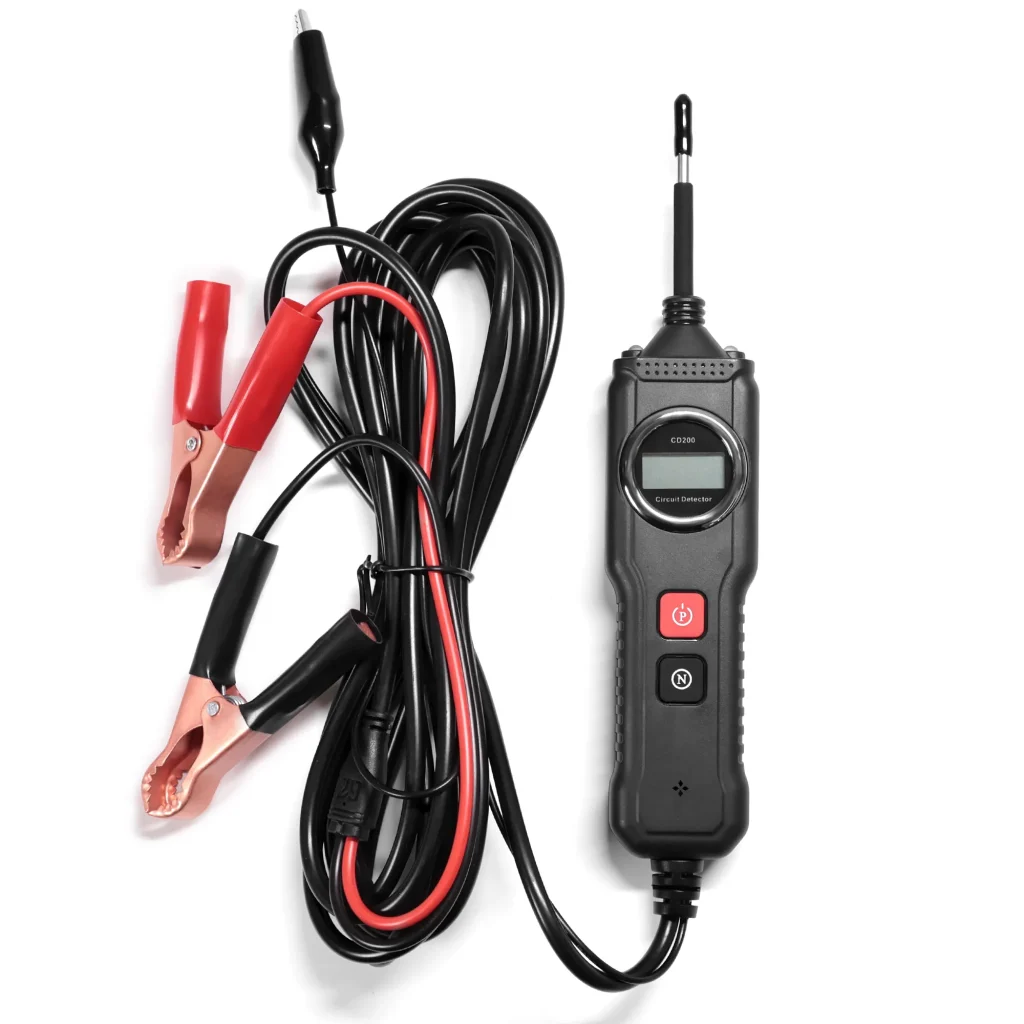
On-Board Diagnostics II (OBD2) has become a critical component of modern vehicles, allowing for real-time monitoring and identification of potential issues. Central to OBD2 are trouble codes, which serve as diagnostic indicators. This essay explores whether OBD2 trouble codes are uniform across vehicle manufacturers or if they vary significantly.

I. Understanding OBD2 Trouble Codes
1. OBD2 trouble codes are alphanumeric codes generated by the vehicle’s onboard computer system to indicate specific issues with various components. These codes serve as a standardized language for technicians and mechanics to diagnose problems efficiently. There are two primary types of OBD2 trouble codes: generic and manufacturer-specific.
2. Generic trouble codes, denoted by the prefix “P0,” “P1,” “P2,” etc., are standardized across all vehicle makes and models. They provide general information about system faults, such as issues related to emissions, engine performance, and transmission.
3. Manufacturer-specific trouble codes, on the other hand, are unique to each vehicle manufacturer. These codes, designated with manufacturer-specific prefixes like “B” for BMW or “U” for General Motors, offer more detailed insights into particular components or systems. They can vary significantly based on the make, model, and year of the vehicle.
II. Standardization and Variations Across Vehicle Manufacturers
1. While OBD2 has standardized generic trouble codes to ensure consistency and interoperability across different vehicles, there remain notable variations among manufacturer-specific codes. This variability stems from manufacturers’ unique designs, technologies, and diagnostic requirements.
2. Manufacturers use specific trouble codes to provide detailed diagnostic information tailored to their vehicles’ systems. For example, a “P0300” code might indicate a random misfire across most vehicles, but a manufacturer-specific code like “P0301” could pinpoint a cylinder misfire in a specific make and model.
III. Differences and Similarities in OBD2 Trouble Codes
I. Despite variations in manufacturer-specific codes, certain commonalities exist. Standardized generic codes, particularly those related to emissions and engine control, are consistent across manufacturers. This uniformity ensures that basic diagnostic information is readily accessible to technicians using OBD2 scan tools.
2. However, interpreting and addressing manufacturer-specific codes can be more challenging due to their specificity. Mechanics must be equipped with comprehensive diagnostic tools capable of decoding these unique codes to accurately diagnose and repair vehicle issues.
IV. Impact on Diagnostics and Repair
1. The variability in OBD2 trouble codes poses practical challenges for mechanics and technicians. Professionals must stay updated with manufacturer-specific code databases and diagnostic procedures to effectively troubleshoot and resolve issues. The need for specialized knowledge and equipment underscores the importance of ongoing training and investment in diagnostic tools.
2. Furthermore, discrepancies in trouble code interpretation can influence repair outcomes and costs. Misinterpreting a manufacturer-specific code could lead to unnecessary part replacements or incomplete repairs. Thus, accurate code interpretation is essential for efficient and cost-effective vehicle maintenance.
Conclusion
In conclusion, while OBD2 trouble codes adhere to a standardized framework, they exhibit notable variations across vehicle manufacturers. Generic codes provide foundational diagnostic information, whereas manufacturer-specific codes offer detailed insights tailored to specific vehicles. Understanding these variations is crucial for mechanics and technicians to navigate modern automotive diagnostics effectively. As technology advances, ongoing efforts to standardize and streamline trouble code systems will be vital to enhancing diagnostic accuracy and efficiency across the automotive industry.
Get Access Now: https://www.udiagtech.com
FAQs
1. Are OBD2 trouble codes the same for all vehicles?
OBD2 trouble codes include both generic codes (consistent across all vehicles) and manufacturer-specific codes (unique to each vehicle manufacturer). While generic codes like “P0” series are standardized, manufacturer-specific codes vary based on the make, model, and year of the vehicle.
2. How do generic OBD2 trouble codes differ from manufacturer-specific codes?
Generic OBD2 trouble codes (e.g., P0300) provide general information about system faults such as emissions, engine, or transmission issues. Manufacturer-specific codes (e.g., P0301 for a specific make) offer more detailed diagnostics tailored to specific vehicle systems and components.
3. Why do vehicle manufacturers use their own trouble codes?
Vehicle manufacturers utilize proprietary trouble codes to provide detailed diagnostic information aligned with their unique designs and technologies. This allows for more accurate and targeted diagnostics during vehicle maintenance and repair.
3. Do I need different tools to diagnose generic vs. manufacturer-specific trouble codes?
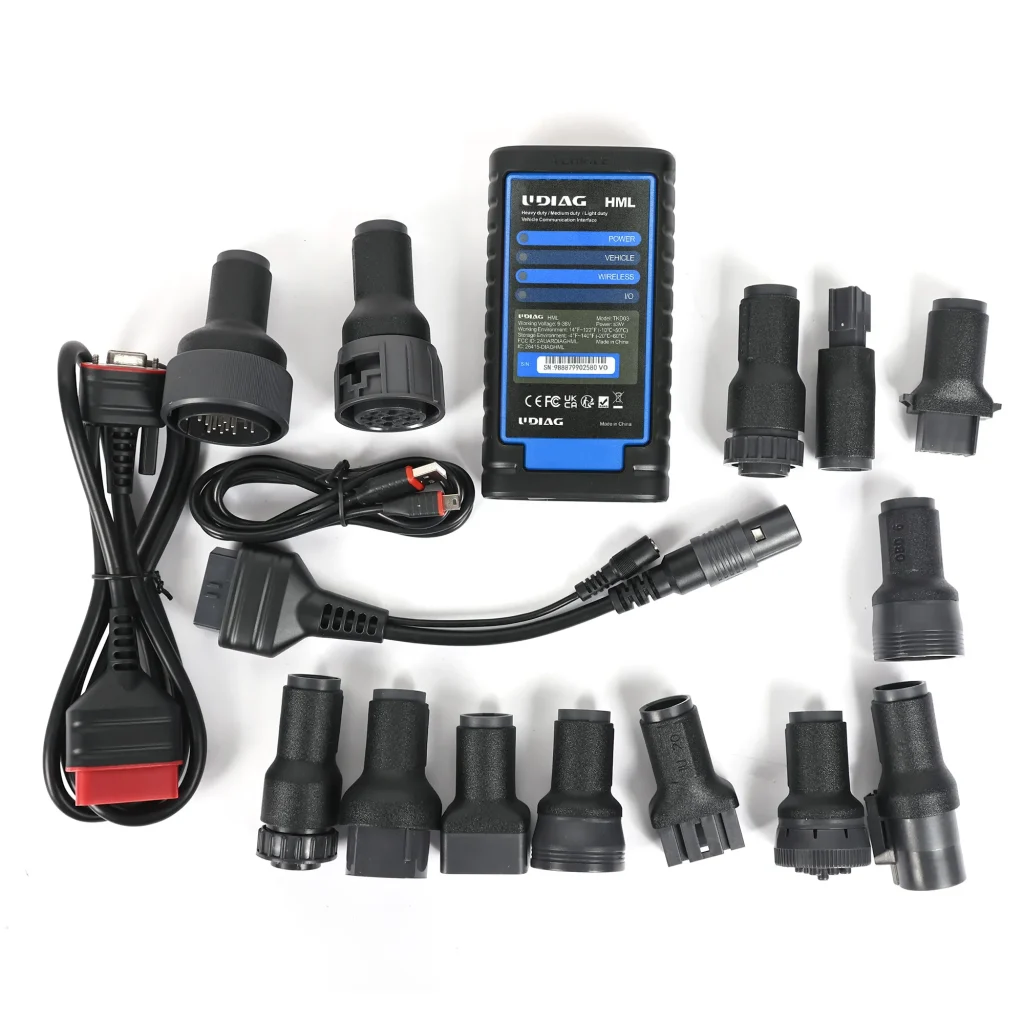
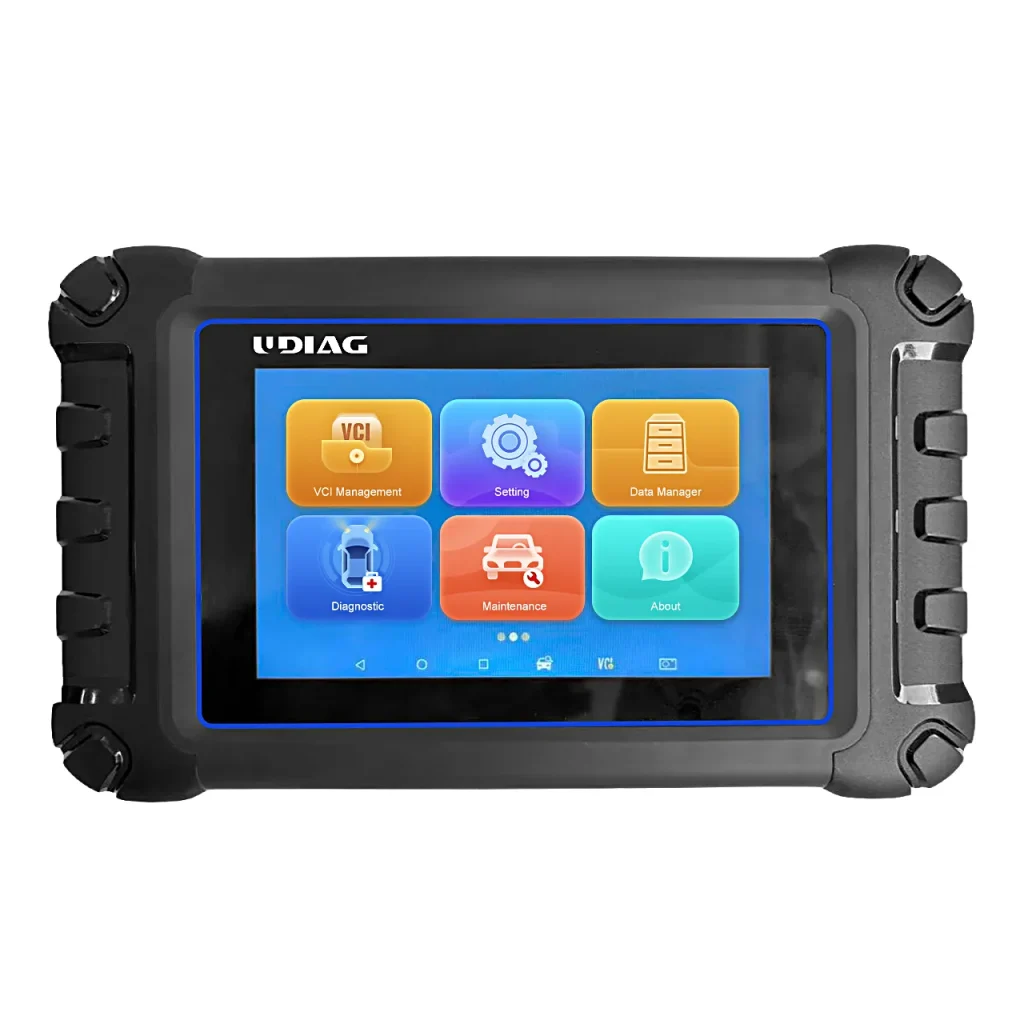
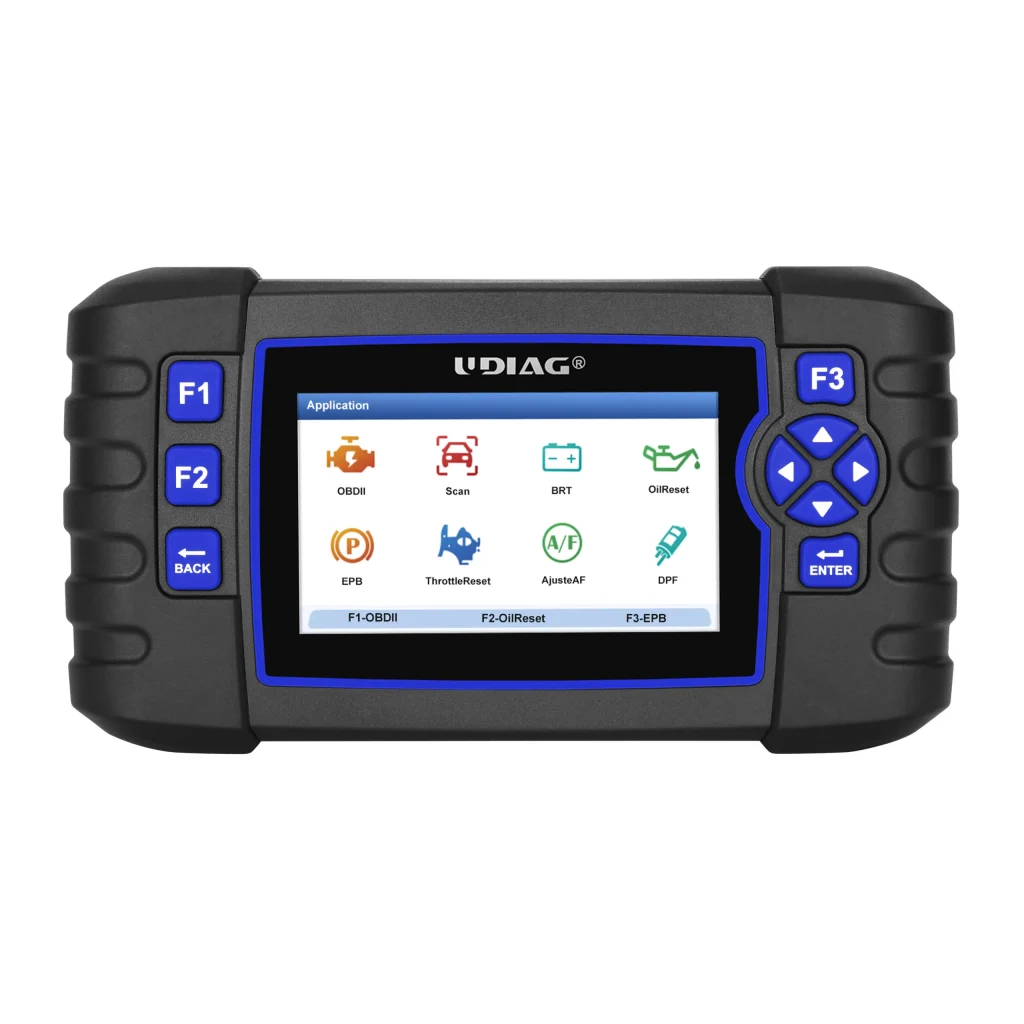
Basic OBD2 scan tools can retrieve and interpret generic trouble codes. However, to diagnose and interpret manufacturer-specific codes accurately, more advanced diagnostic tools capable of decoding specific manufacturer codes are required.
4. Can generic trouble codes help identify issues in any vehicle?
Generic trouble codes are standardized and can provide a starting point for diagnosing common issues related to emissions, engine, or transmission across different vehicles. However, for comprehensive diagnostics, including specific vehicle makes and models, manufacturer-specific codes are essential.
5. How do variations in trouble codes impact vehicle diagnostics and repair?
Variations in trouble codes influence the accuracy and efficiency of vehicle diagnostics and repair. Misinterpreting or neglecting manufacturer-specific codes can lead to incorrect diagnoses and unnecessary repairs, impacting both time and cost.