

-1024x1024.webp)

Introduction
In the world of modern automobiles, technology has made significant strides in improving the efficiency, safety, and performance of vehicles. One of the critical components of this technological advancement is the On-Board Diagnostics (OBD) system. This system continuously monitors various aspects of your car’s performance and can detect and store trouble codes when it encounters a problem. However, a common question among car owners is whether a car can throw codes without the check engine light coming on. In this article, we will explore this intriguing aspect of car diagnostics.

I. Understanding the OBD System
To comprehend whether a car can throw codes without the check engine light illuminating, we first need to understand how the OBD system works. The OBD system consists of various sensors and components that monitor the engine, transmission, emissions, and other critical systems in your vehicle. When an issue is detected, the system generates a trouble code, which is a unique alphanumeric sequence representing the specific problem.
II. The Role of the Check Engine Light
The check engine light, often referred to as the “MIL” or Malfunction Indicator Lamp, serves as a visual indicator of a potential problem in your vehicle. When the OBD system detects an issue, it illuminates the check engine light on your dashboard, alerting you to the need for attention. This is a crucial safety feature that prompts drivers to seek professional diagnosis and repair.
III. Can Codes Be Generated Without the Check Engine Light?
Now, let’s address the main question: Can a car throw codes without the check engine light coming on? The answer is both yes and no, depending on the nature of the problem and the sophistication of your vehicle’s OBD system.
IV. Situations Where Codes Are Generated Without Illuminating the Check Engine Light
1. Pending Codes: Some OBD systems can store pending trouble codes that have not triggered the check engine light. These codes indicate potential issues that may require attention in the future.
2. Non-Engine Codes: While the check engine light primarily focuses on engine-related problems, other systems in your car, such as the transmission, ABS, or airbags, have their own warning lights. Issues in these systems can generate specific trouble codes without affecting the check engine light.
3. Intermittent Problems: Some problems are intermittent and may not trigger the check engine light immediately. However, the OBD system can still record trouble codes when these issues occur.
V. Situations Where Codes Do Not Appear Without Illuminating the Check Engine Light
1. Critical Issues: Major engine or emission-related problems are more likely to trigger the check engine light as a safety precaution.
2. Outdated OBD Systems: Older vehicles with less advanced OBD systems may not have the capability to store trouble codes without illuminating the check engine light.
VI. The Importance of Diagnosing OBD Codes
Whether the check engine light is on or not, it is essential to diagnose and address trouble codes promptly. Ignoring these codes can lead to more significant and costly issues down the road. Advanced diagnostic tools and professional mechanics can help pinpoint the problem accurately.
Conclusion
In conclusion, a car can indeed throw codes without the check engine light coming on, depending on the nature of the issue and the capabilities of the OBD system. However, it is crucial not to dismiss these trouble codes, as they can indicate underlying problems that require attention. Regular maintenance and prompt diagnosis are key to keeping your vehicle running smoothly and safely.
FAQs (Frequently Asked Questions)
1. Why is my check engine light not coming on even though I have a code?
The check engine light may not illuminate immediately for all issues. Some problems trigger the light only after multiple occurrences.
2. Can I use a code reader to check for trouble codes even if the check engine light is off?
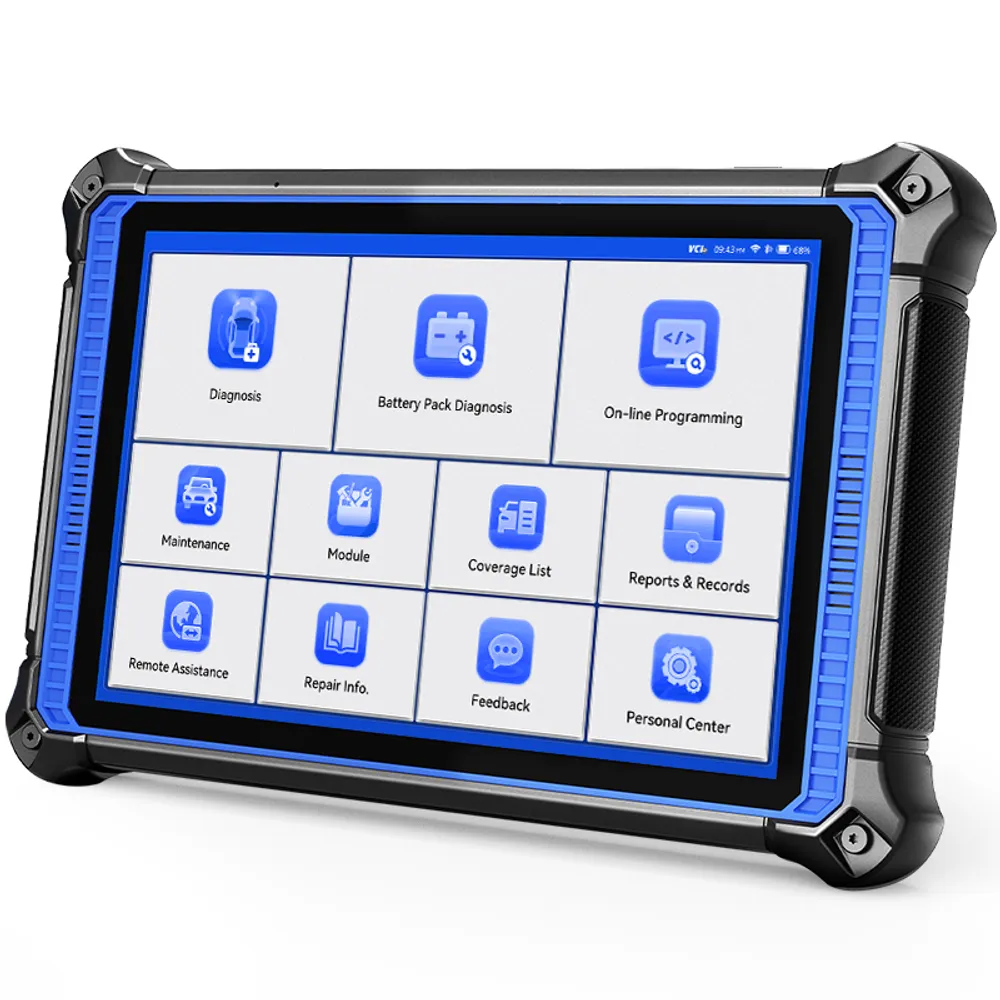
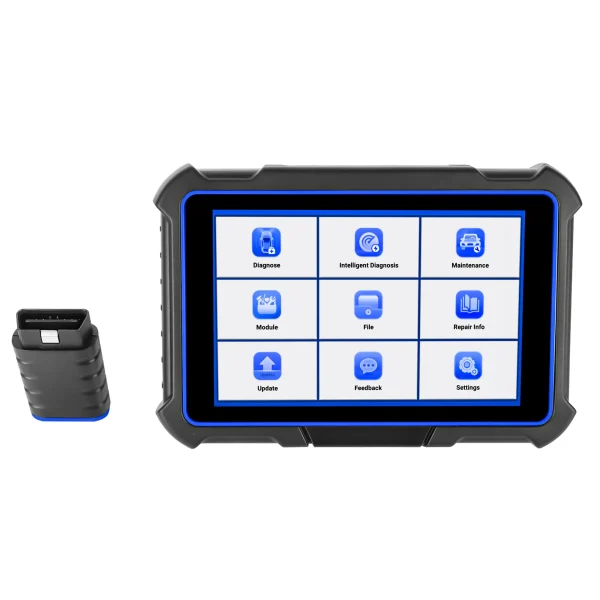
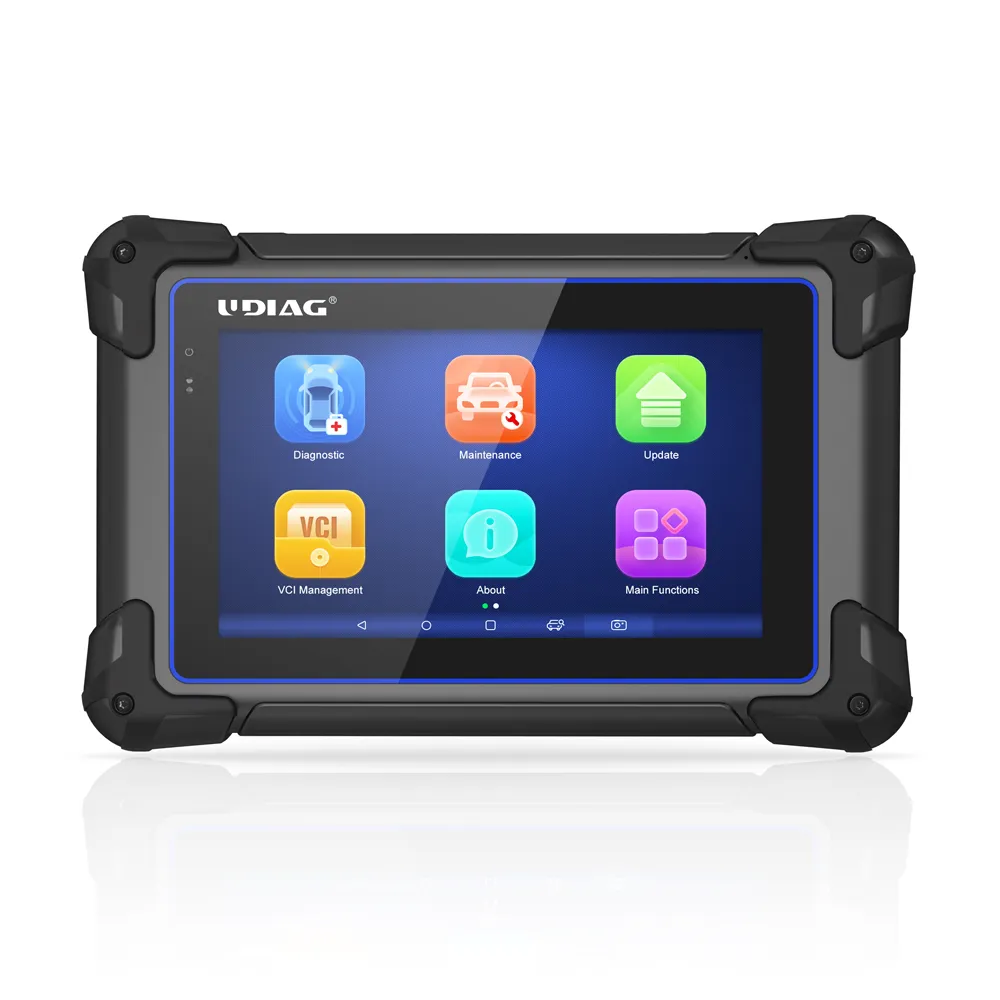
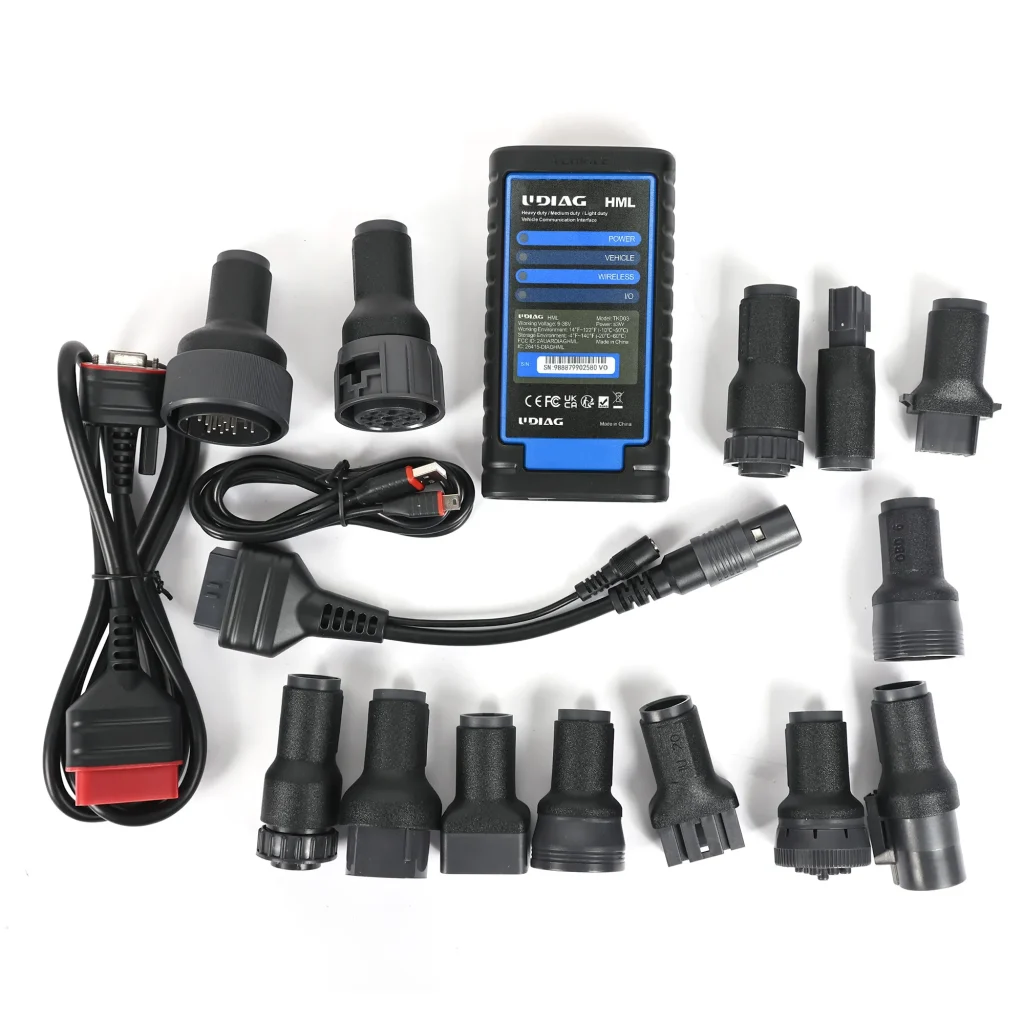
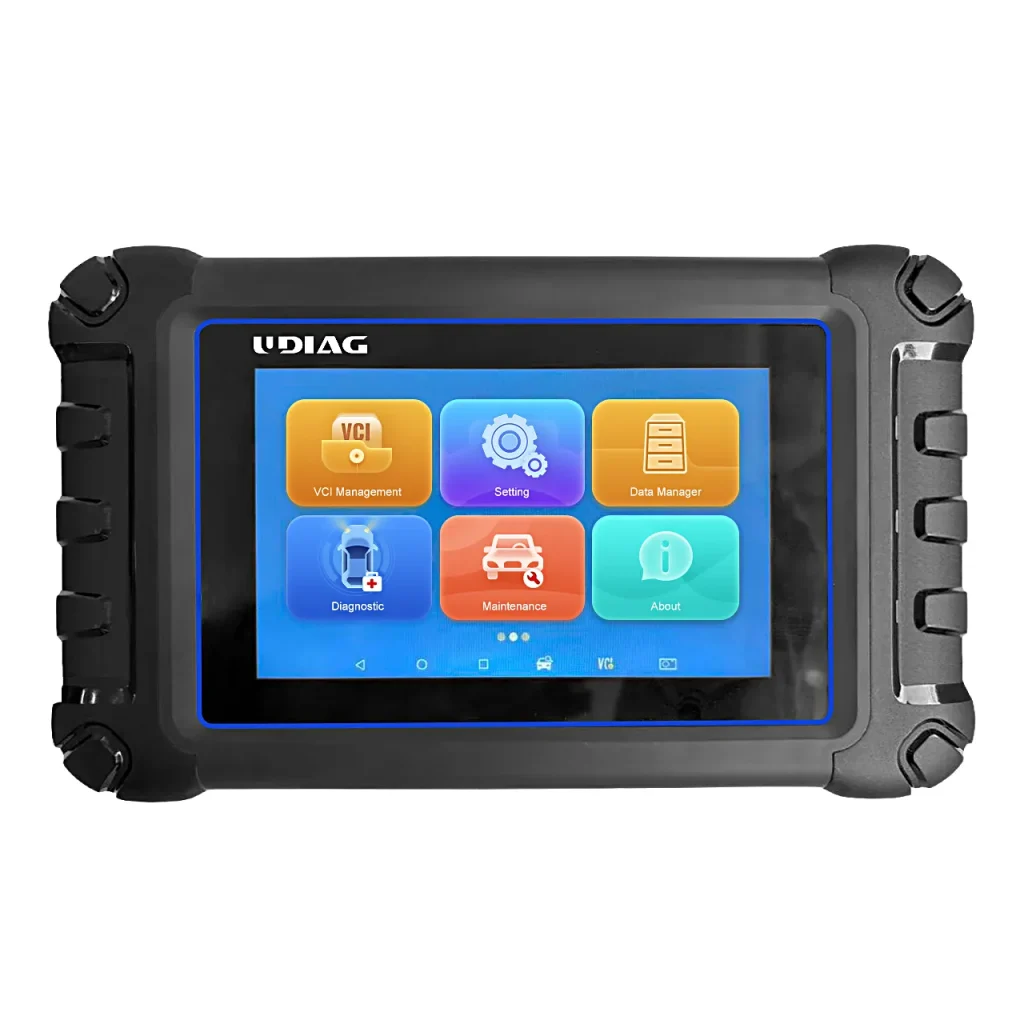
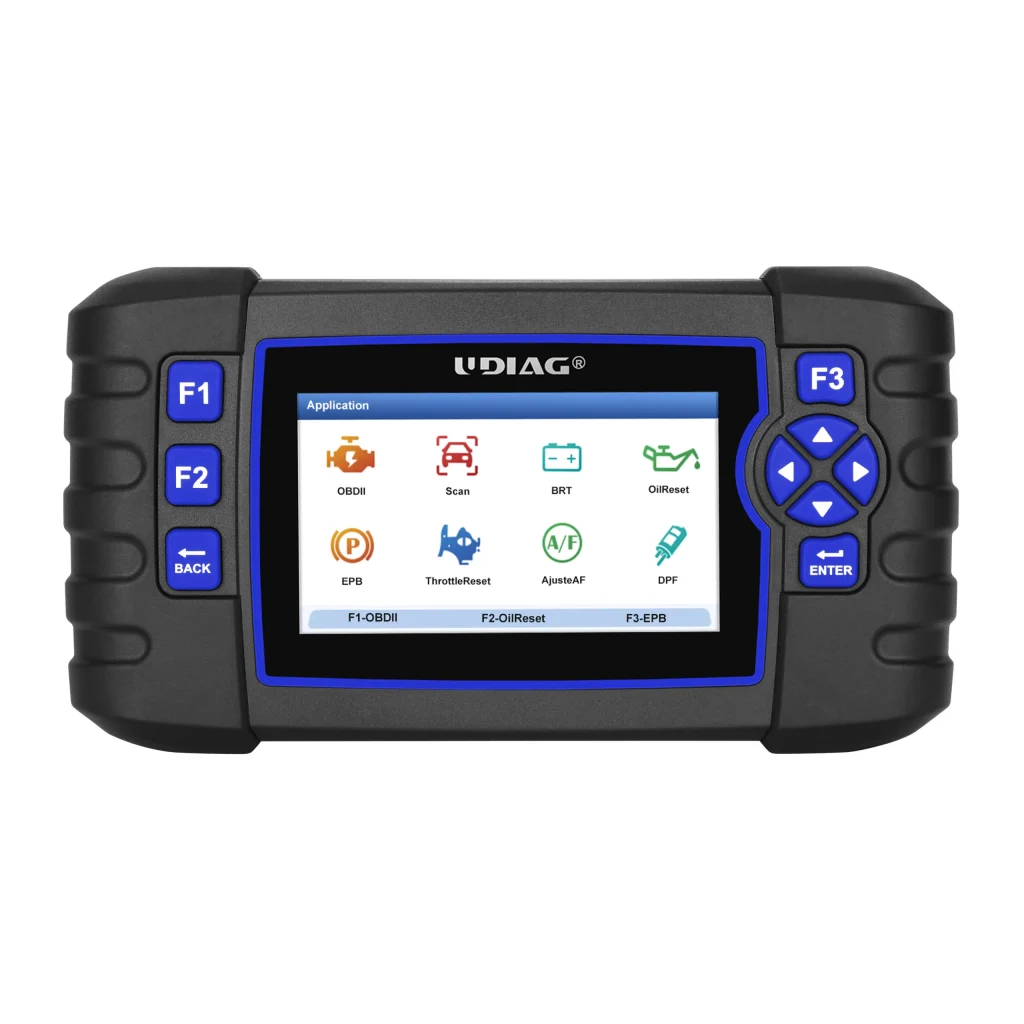
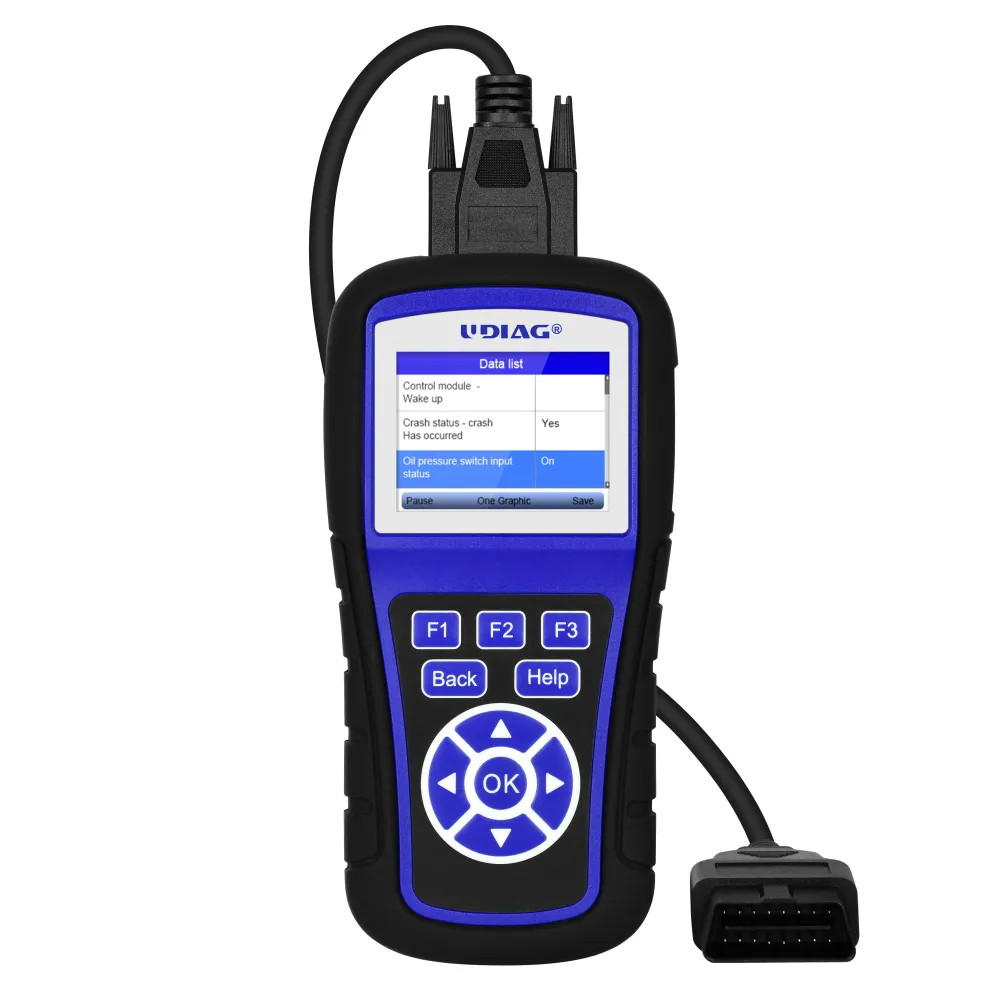
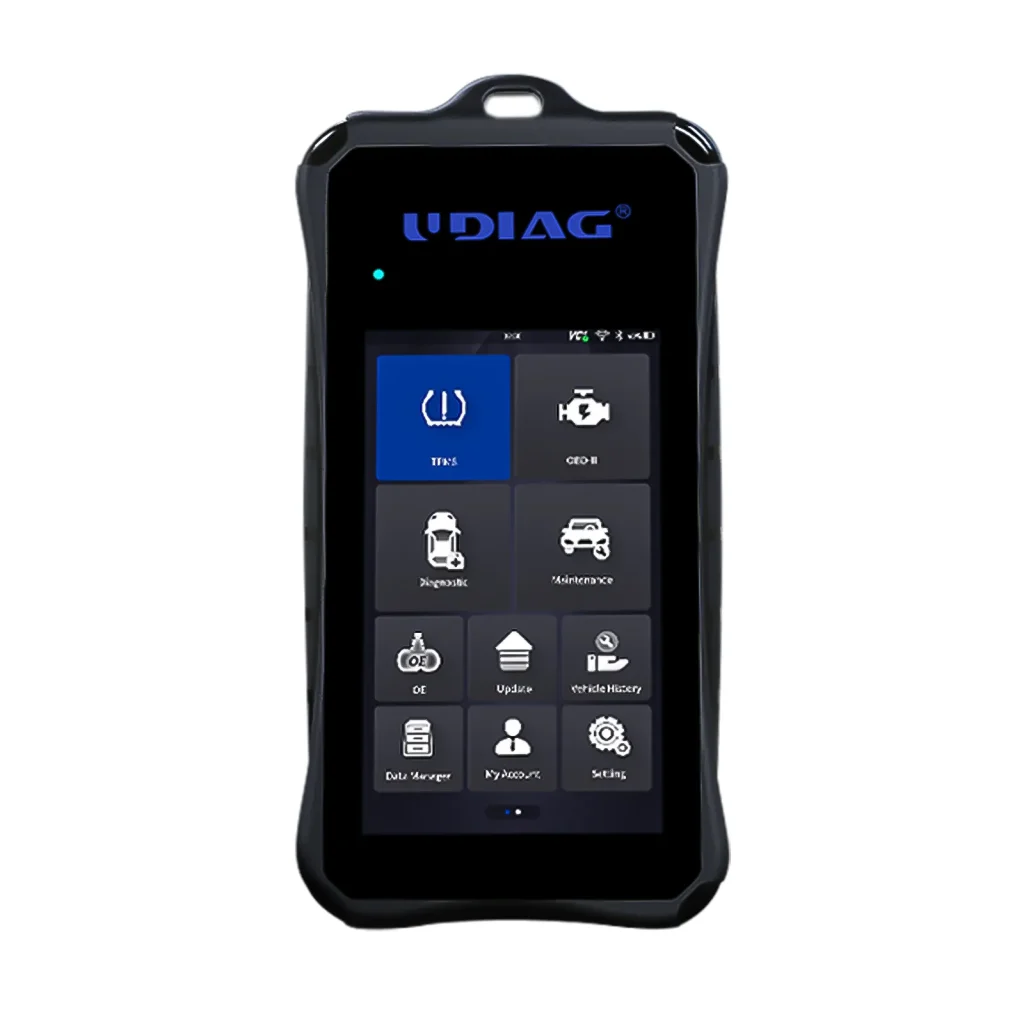
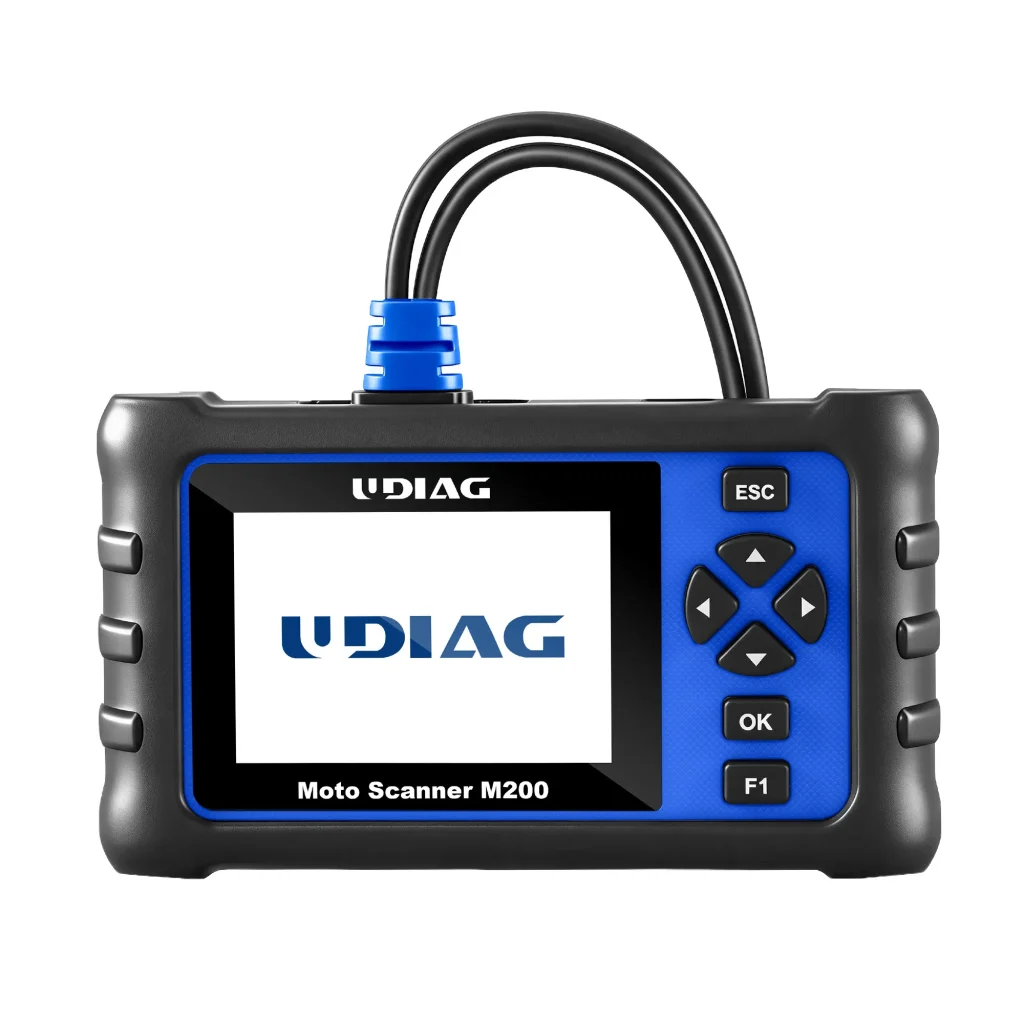
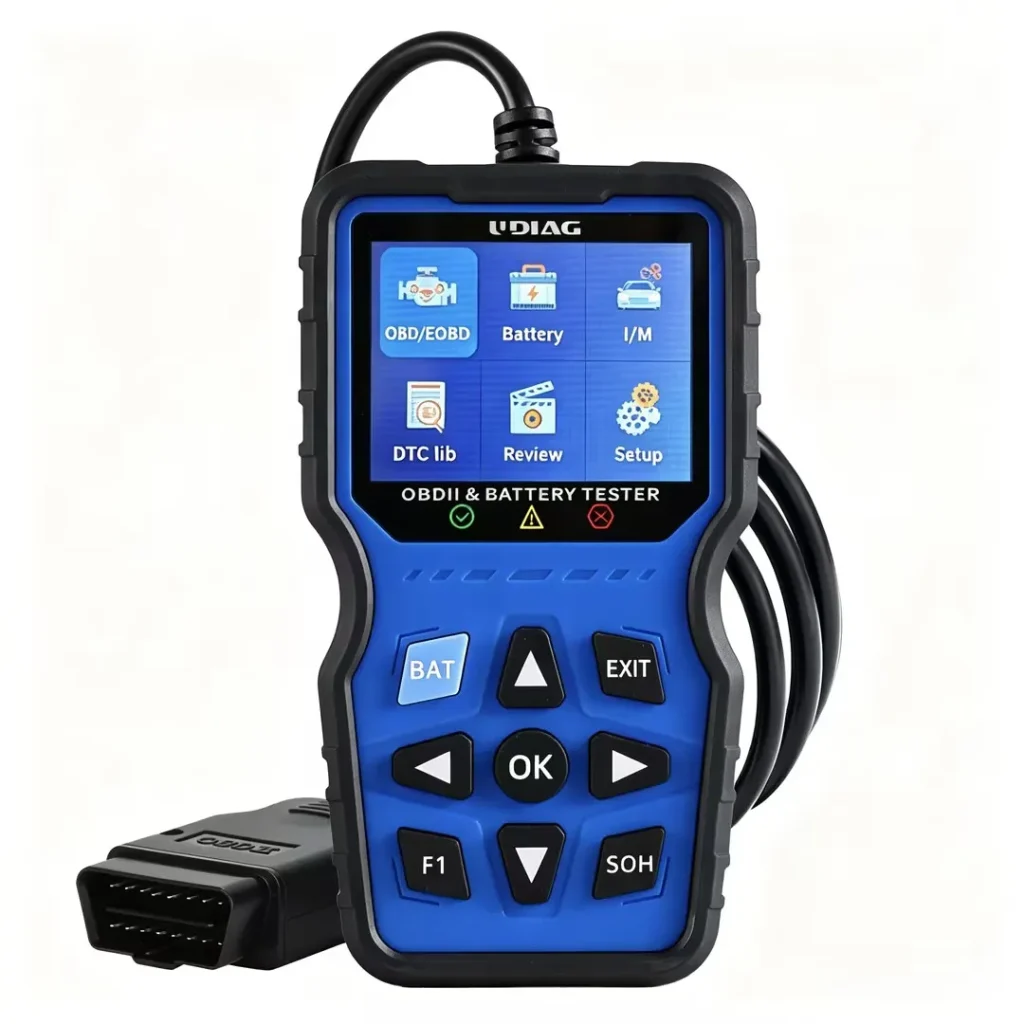
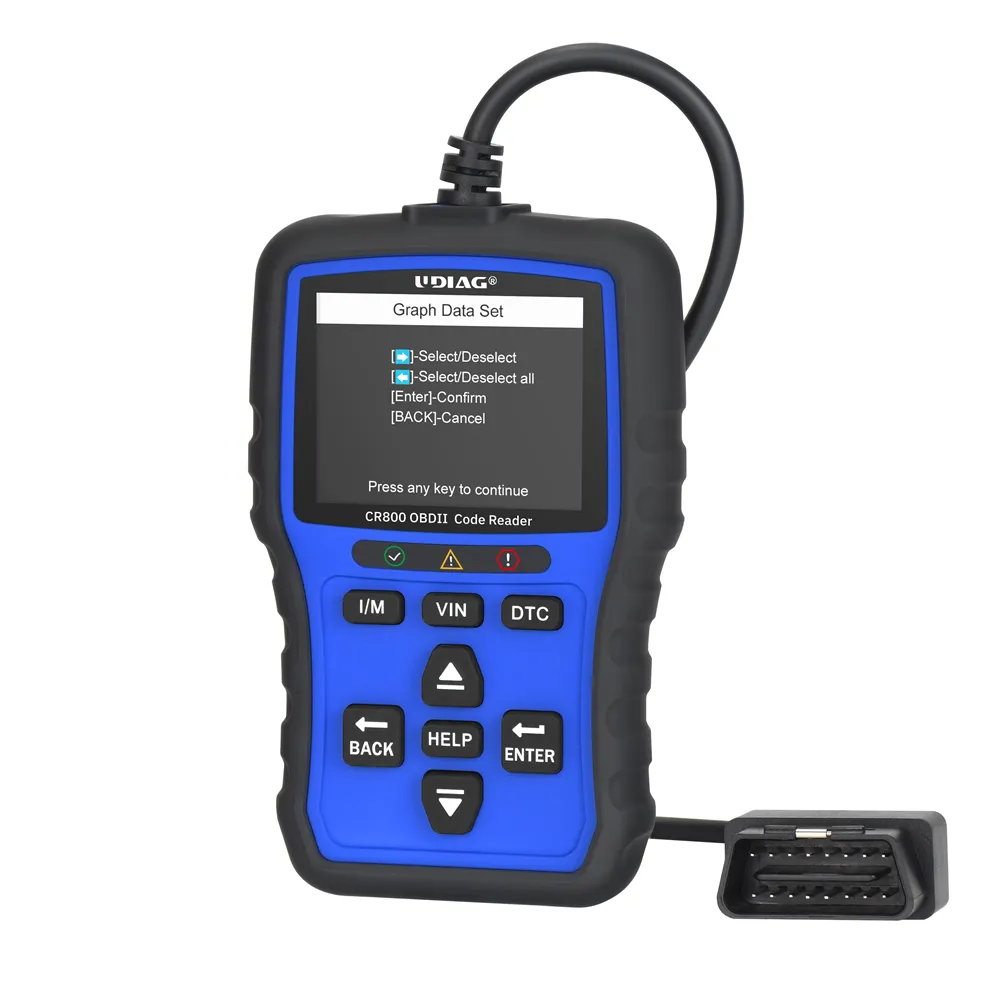
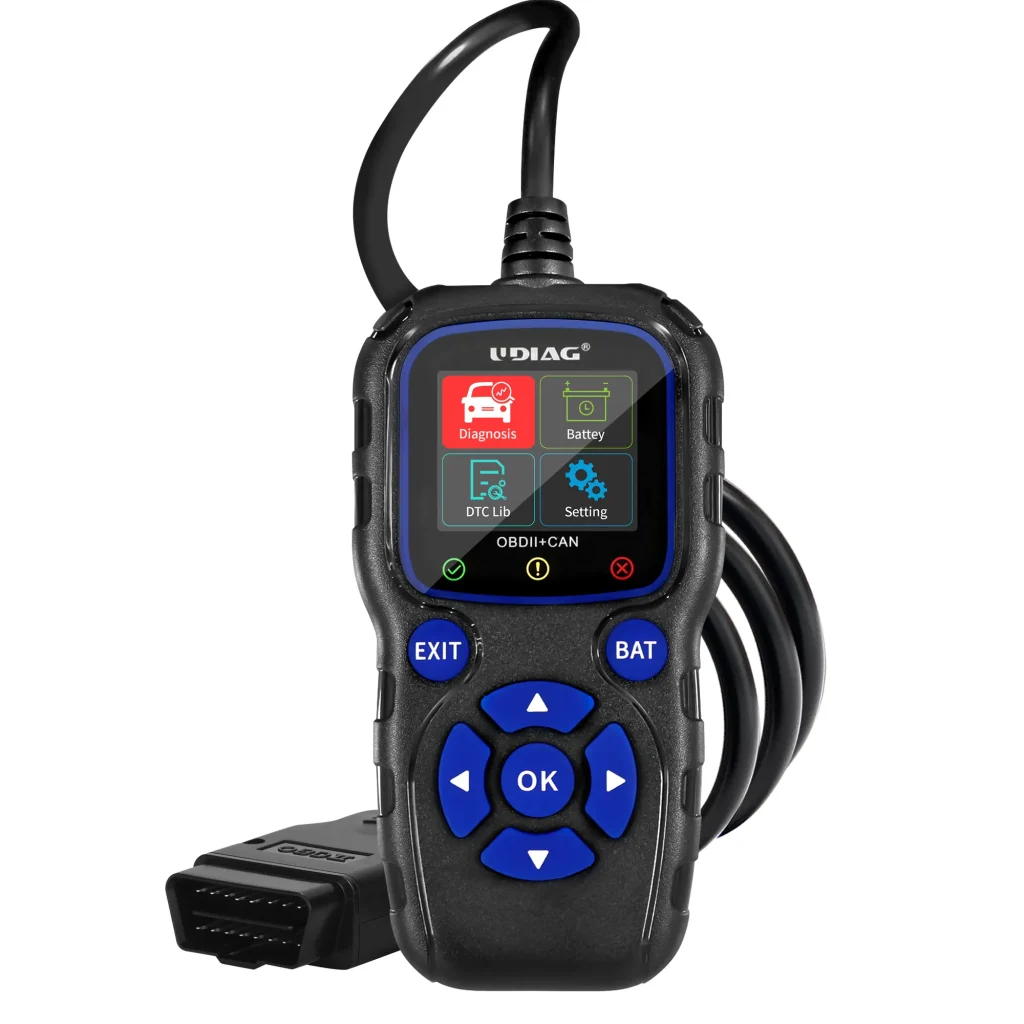
Yes, you can use an OBD-II code reader to scan for trouble codes, even if the check engine light is not illuminated.
3. Do all cars have the same OBD system capabilities?
No, the sophistication of the OBD system varies between different car makes and models, leading to differences in code detection and notification.
4. What should I do if I have pending trouble codes?
Pending trouble codes indicate potential issues. It’s advisable to have them inspected by a professional to prevent future problems.
5. Is it safe to drive my car with the check engine light on?
While some issues may not pose an immediate threat, it’s generally recommended to have your vehicle inspected when the check engine light is on to avoid potential safety risks.