

-1024x1024.webp)
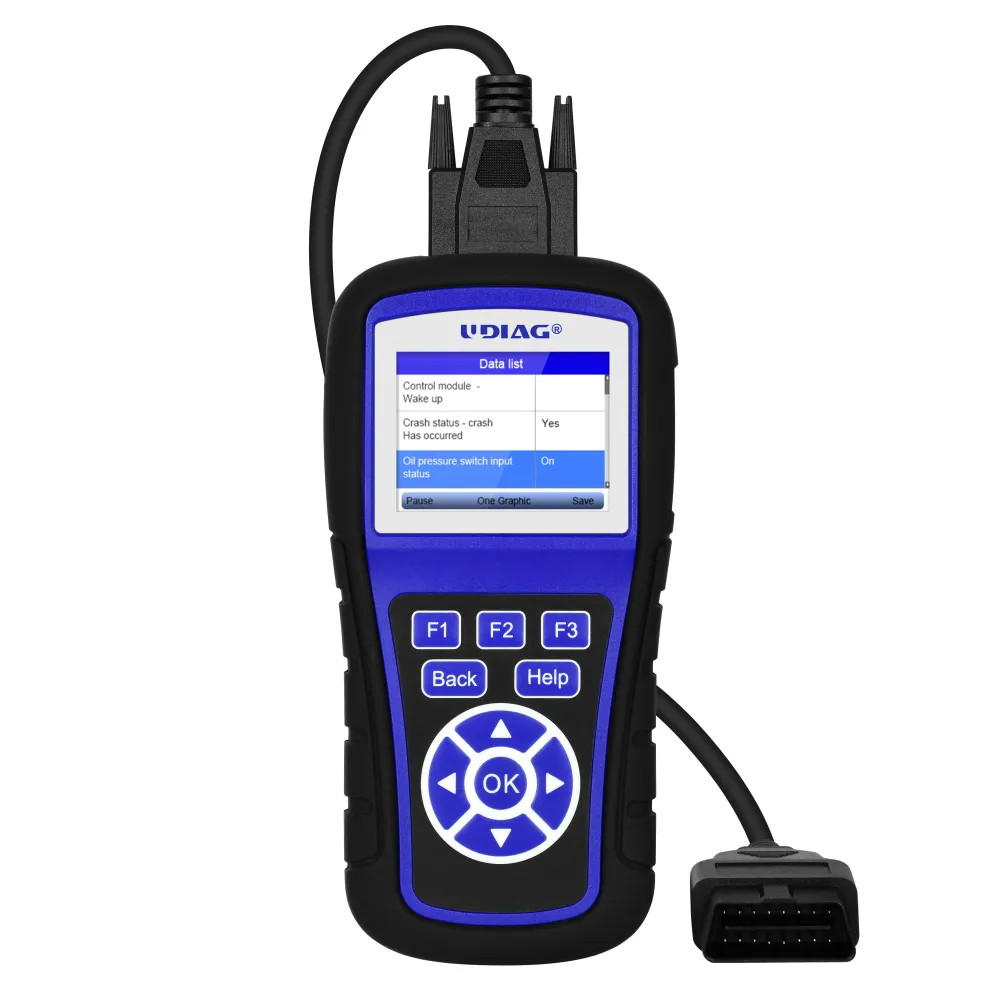
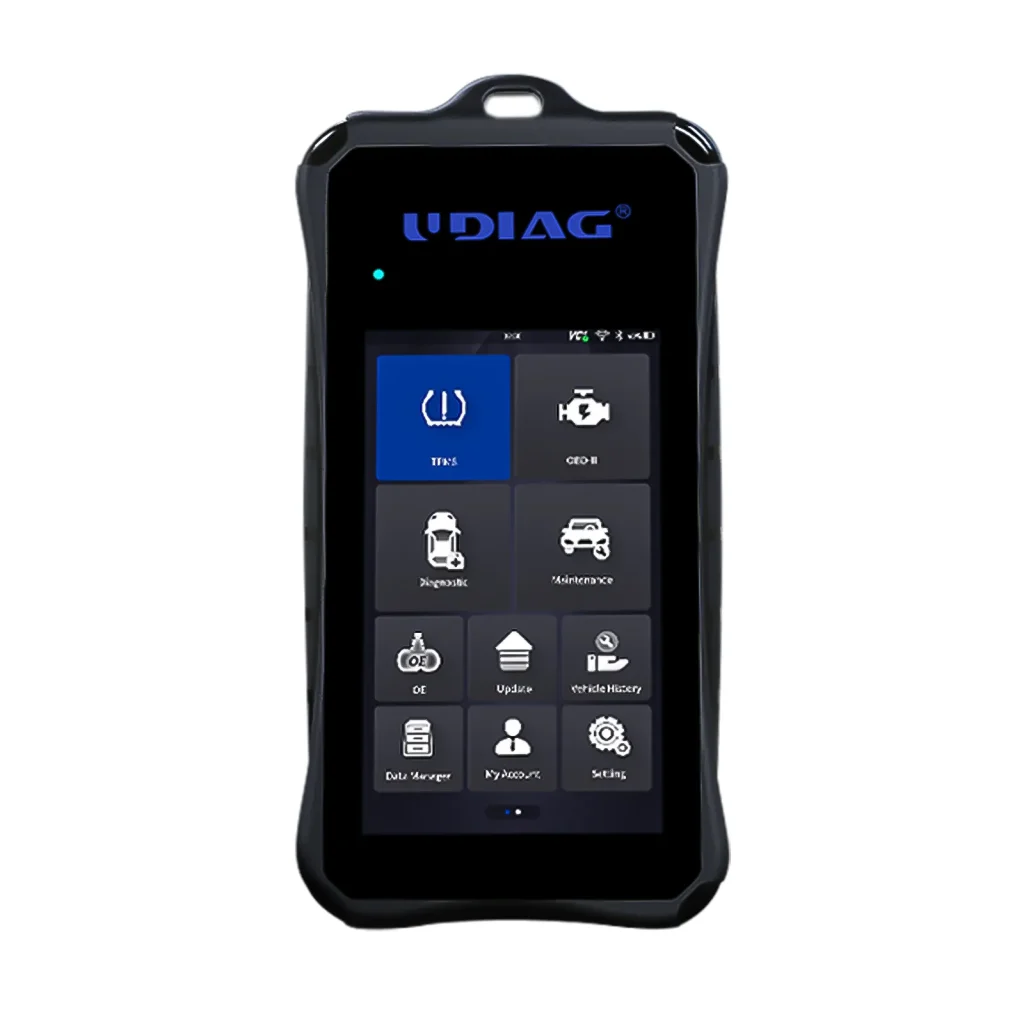
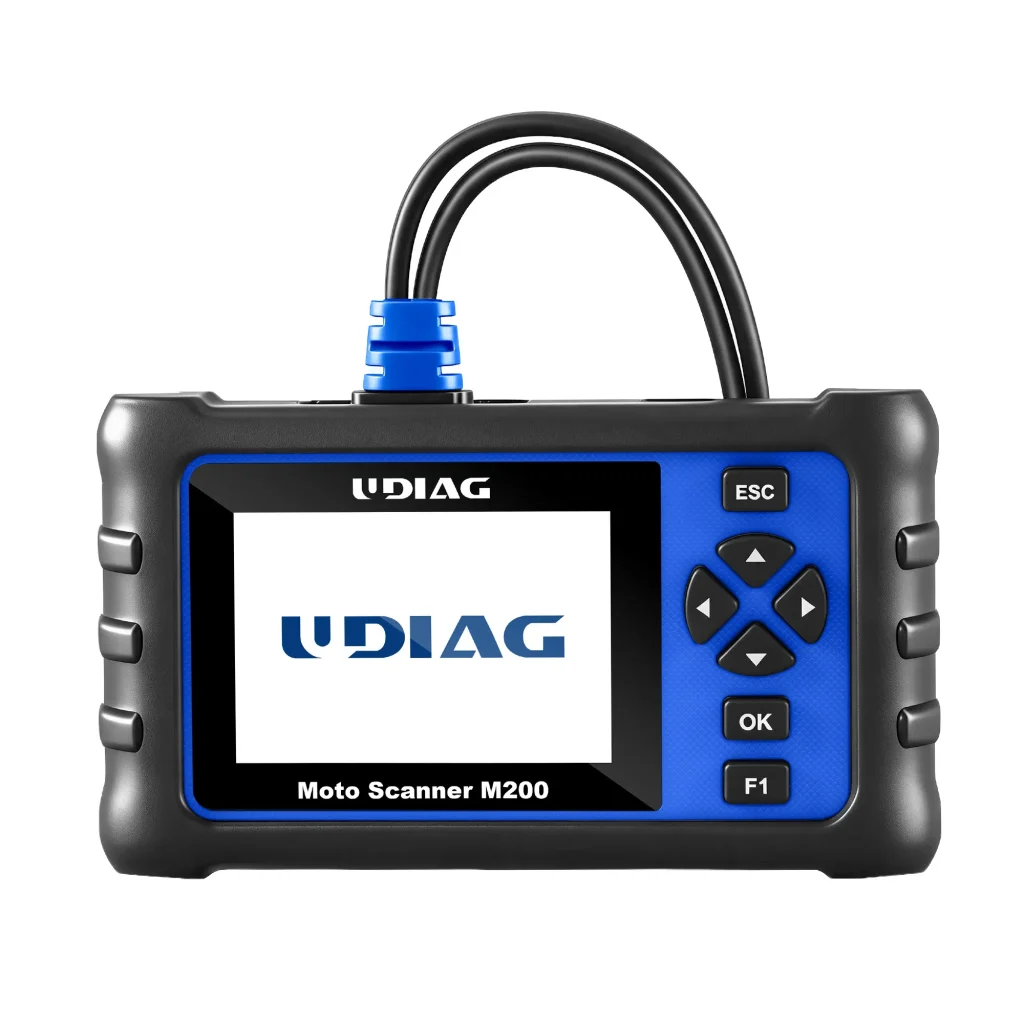
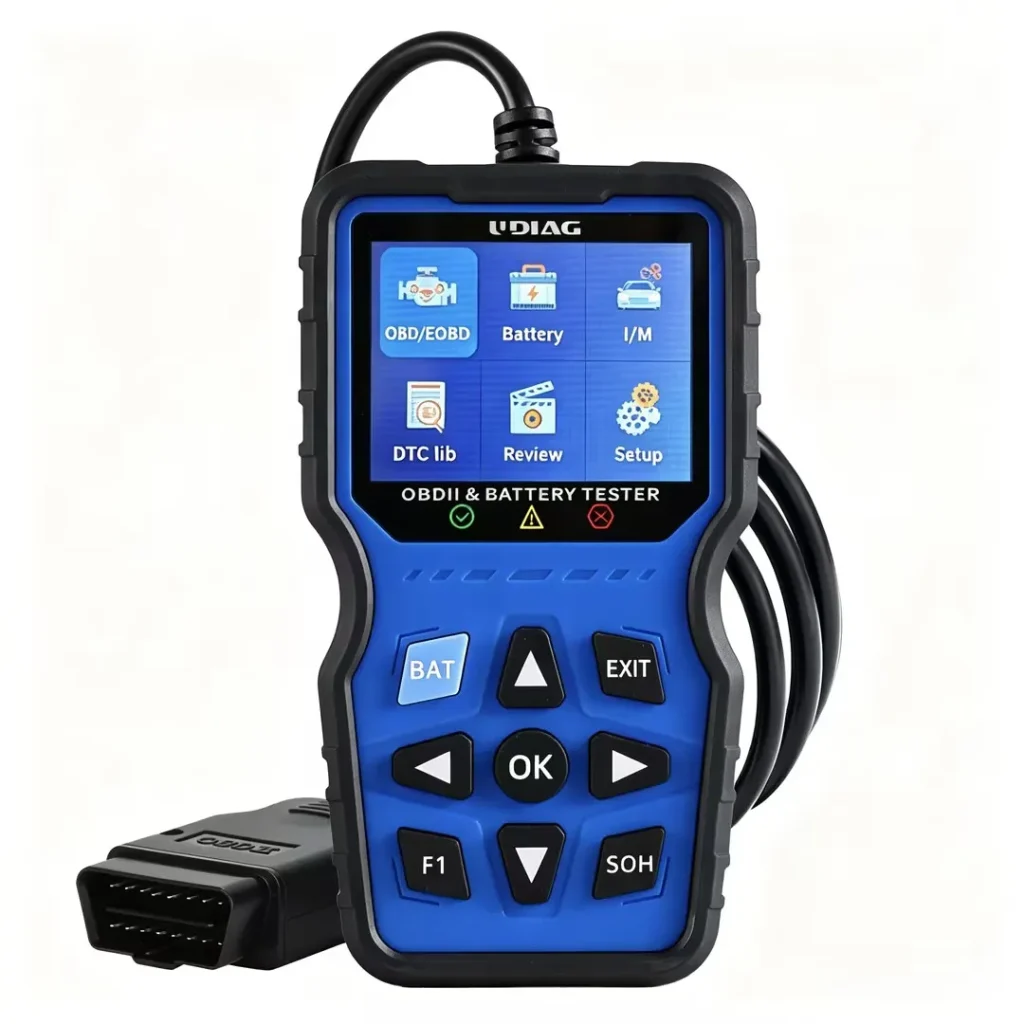

Introduction:
The automotive diagnostics industry offers a wide range of tools to help mechanics and DIY enthusiasts troubleshoot and repair vehicles. Two of the most essential devices are automotive diagnostic scanners and code readers. While they share some similarities, they serve different purposes. So, which one is right for you? In this article, we’ll compare car diagnostic scanners and code readers, examining their features, benefits, and ideal use cases.

Price Difference Between Car Diagnostic Scanner and Code Reader
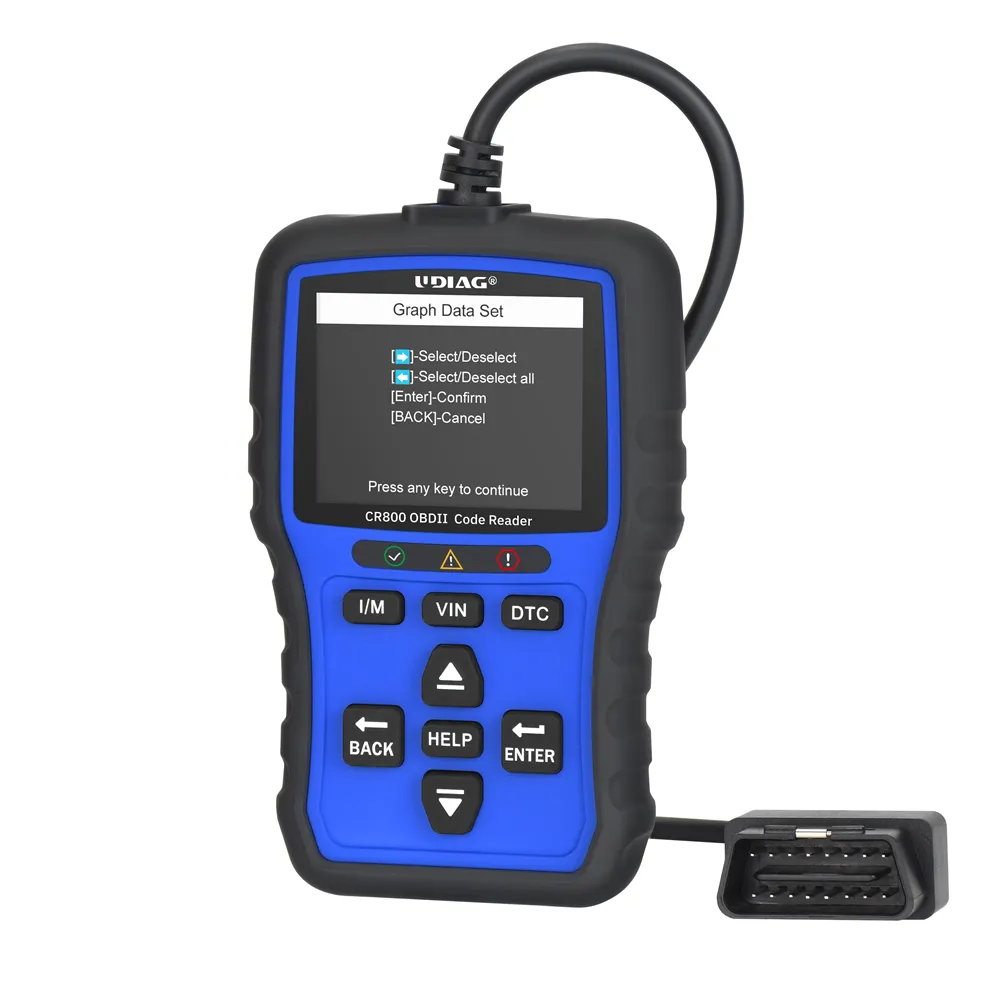
When comparing code readers and car diagnostic scanners, price is a major factor. Code readers are the more budget-friendly option, typically costing between $20 and $50. They’re ideal for casual car owners who need basic diagnostics without breaking the bank.
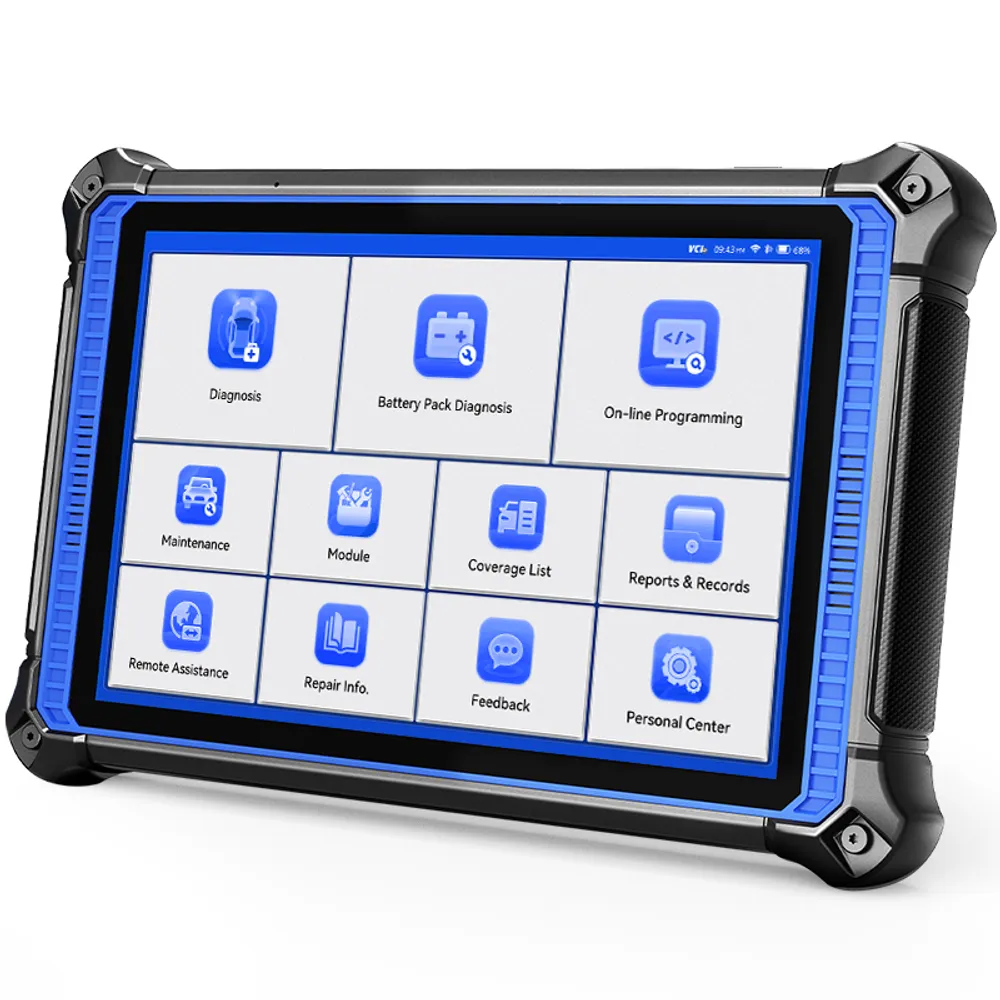
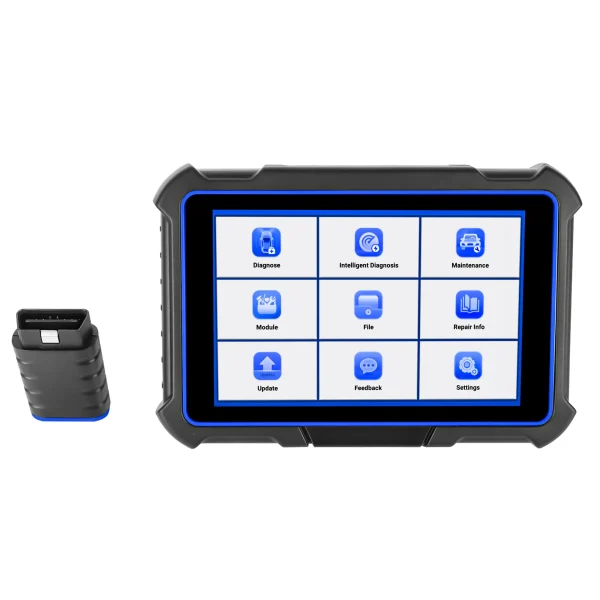
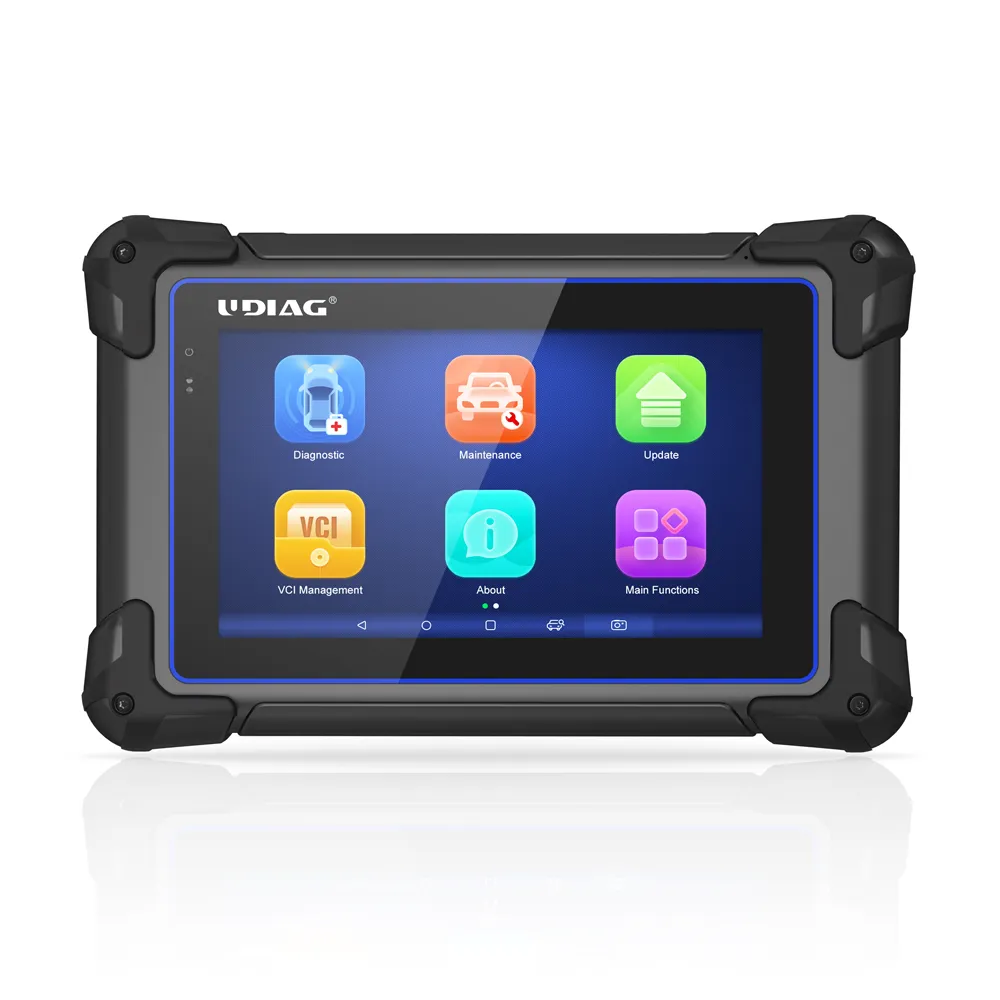
On the other hand, car diagnostic scanners are a more advanced—and expensive—investment. Professional-grade models range from $100 to over $1,000, offering deeper diagnostics, real-time data, and manufacturer-specific capabilities. While pricier, they’re worth it for mechanics or frequent DIYers who need comprehensive vehicle analysis.
Vehicle Compatibility Comparison
Compatibility is another key consideration. Most code readers work with OBD2-compliant vehicles (post-1996 models), making them widely usable. However, they only read engine-related codes, limiting their diagnostic scope.
Car diagnostic scanners, meanwhile, offer broader compatibility, including OBD1 systems, European vehicles, and commercial trucks. Many also support manufacturer-specific diagnostics, making them indispensable for professionals working with diverse car models.
Feature Comparison of Car Diagnostic Scanner and Code Reader
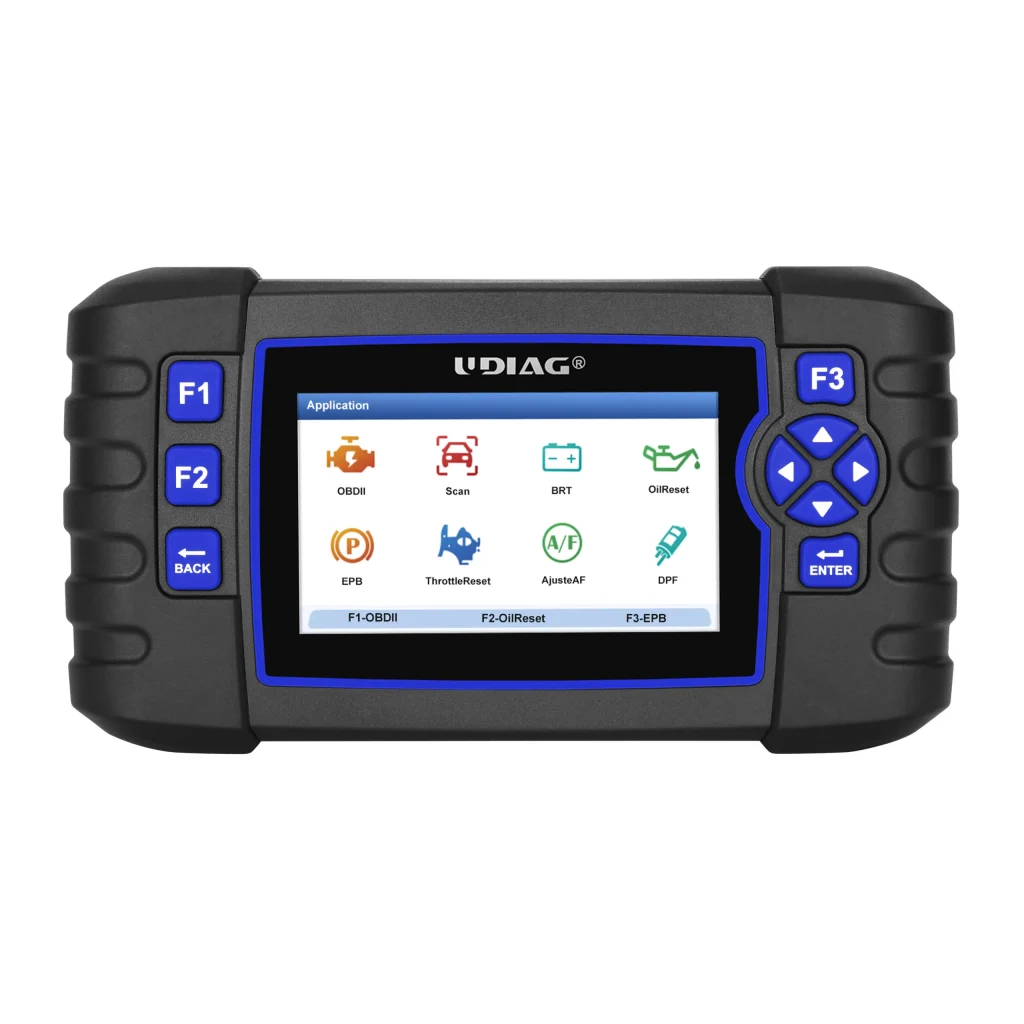
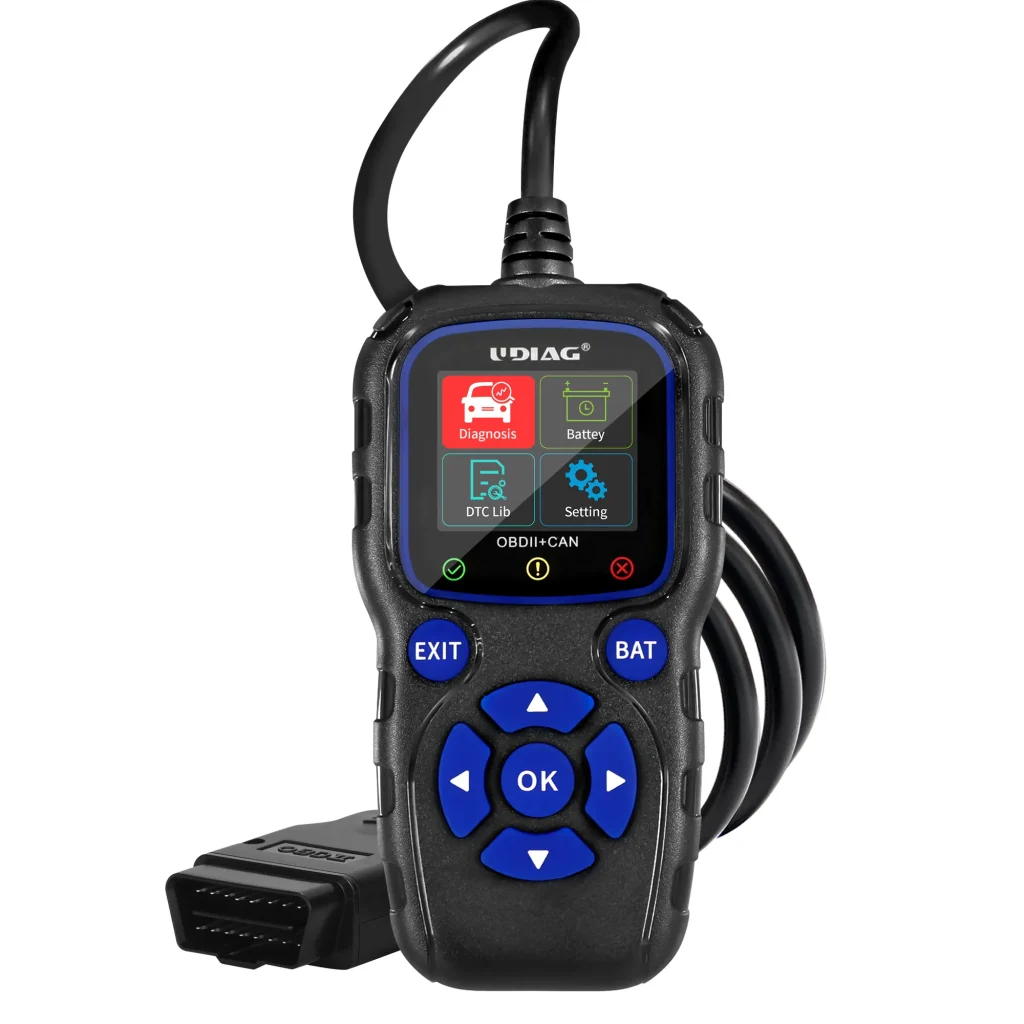
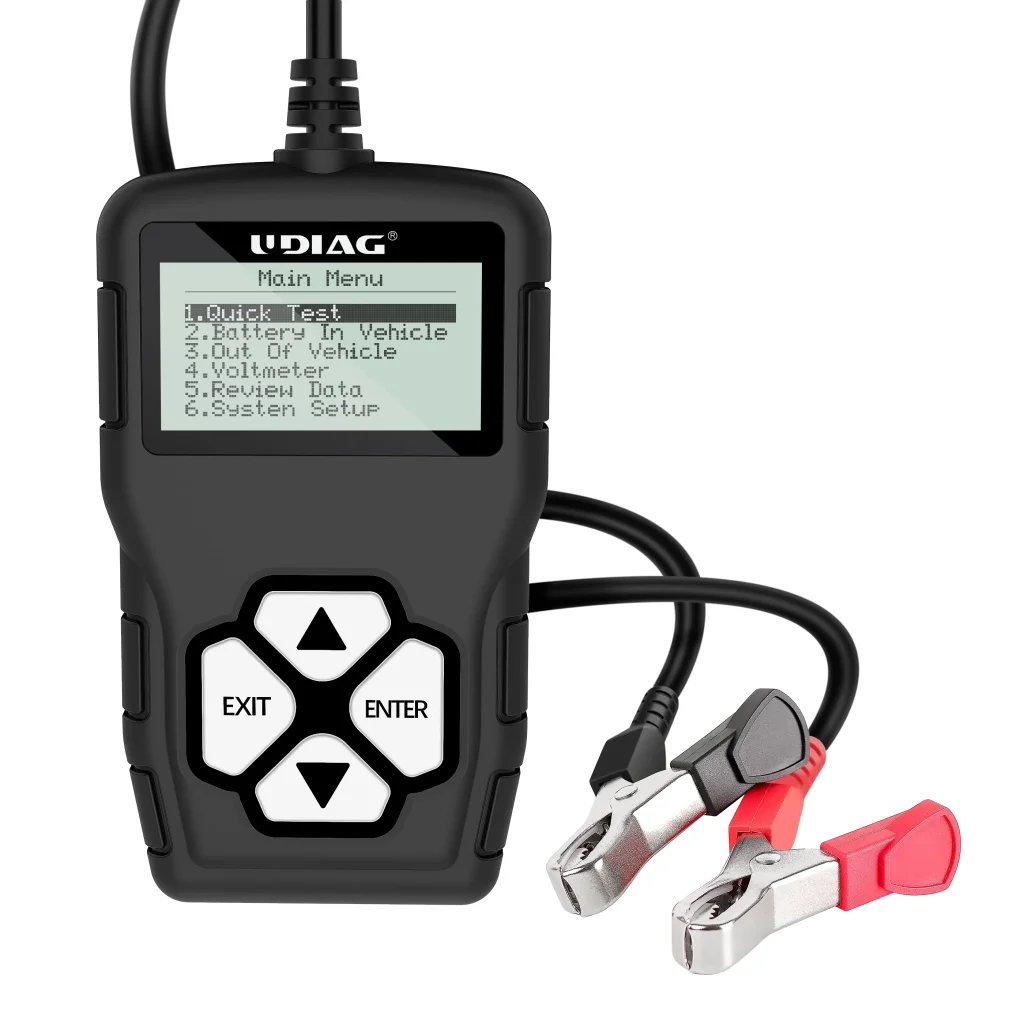
A code reader is a straightforward tool: it retrieves Diagnostic Trouble Codes (DTCs) from your car’s computer, helping you identify basic engine issues. However, it doesn’t provide deeper insights or access to other vehicle systems.
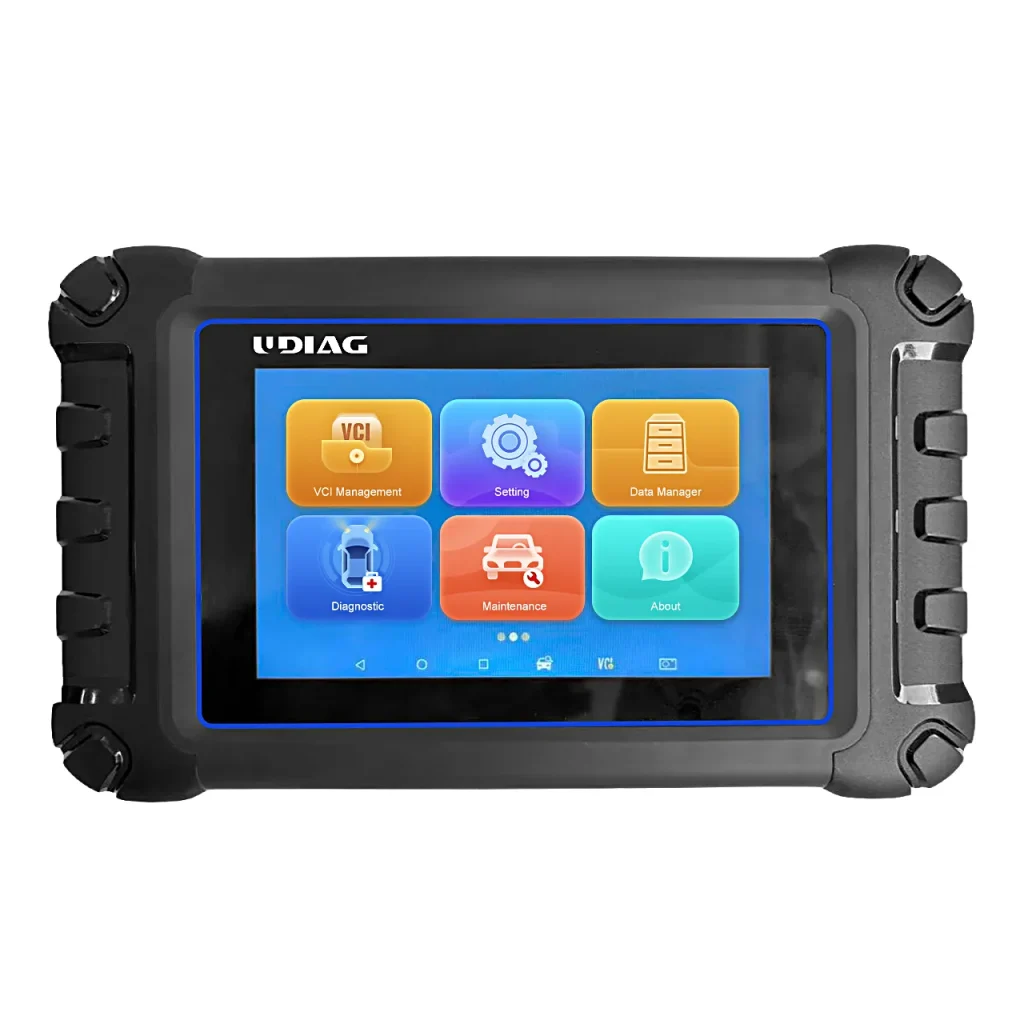
In contrast, a car scanner delivers advanced diagnostics, accessing systems like ABS, airbags, and transmissions. It also allows live sensor monitoring, enabling real-time troubleshooting—something a code reader can’t do. For serious repairs, this functionality is a game-changer.
Live Data Monitoring
Live data monitoring is another differentiating feature of a car scanner. With live data streaming, a car scanner can monitor sensor readings while the vehicle is driving, helping to diagnose intermittent problems. This real-time information is valuable for identifying problems that don’t trigger a trouble code.
In contrast, a code reader can only give you a snapshot of the vehicle’s status at the time the code is read. This is fine for basic diagnostics, but can be limiting when it comes to troubleshooting ongoing problems.
Both tools are capable of clearing diagnostic trouble codes, which is useful for turning off the check engine light after a repair. The insight and control offered by a car scanner make it a top choice for more serious diagnostic needs. If you require detailed data and system access, a car scanner is your best choice. However, for a quick, simple check, a code reader can get the job done.
User Applicability of Scanning tool and code reader
Choosing the right tool depends on your experience and needs. If you’re a beginner, a code reader is a good choice. It’s easy to use and doesn’t require much technical knowledge. You plug it into the vehicle’s OBD2 port, retrieve the fault codes, and then look up what they mean. For the average car owner who wants to quickly check the engine, this tool is more than enough. You won’t feel overwhelmed, and it can help you avoid a trip to the repair shop for a minor problem.
That being said, code readers also have limitations, and they can’t access all of a vehicle’s systems. For example, if there’s an issue with the ABS or airbags, there’s nothing a code reader can do. It also lacks real-time data capabilities, which can make troubleshooting more difficult. You may end up guessing at the problem, especially if the engine light continues to come on after a repair. So, while code readers are easy to use, they’re not a complete solution for those who need a more thorough diagnosis.
For users who need more functionality from a diagnostic tool, a car scanner is a better choice. It’s especially useful for DIY mechanics or professionals who frequently touch vehicles. A car scanner provides real-time data, more system access, and even two-way control for running tests. These features are invaluable when diagnosing complex or recurring problems. Yes, it’s more complex than a code reader. But the extra information it provides is worth learning, especially when you’re dealing with multiple systems or vehicles. If you take vehicle maintenance very seriously or fix your car frequently, a car scanner will save you time and effort. For quick fixes or casual inspections, go with a code reader.
Conclusion
Choosing between a car diagnostic scanner and a code reader boils down to your needs:
- Code readers are affordable and simple, ideal for occasional use.
- Diagnostic scanners are versatile and powerful, best for professionals or serious car owners.
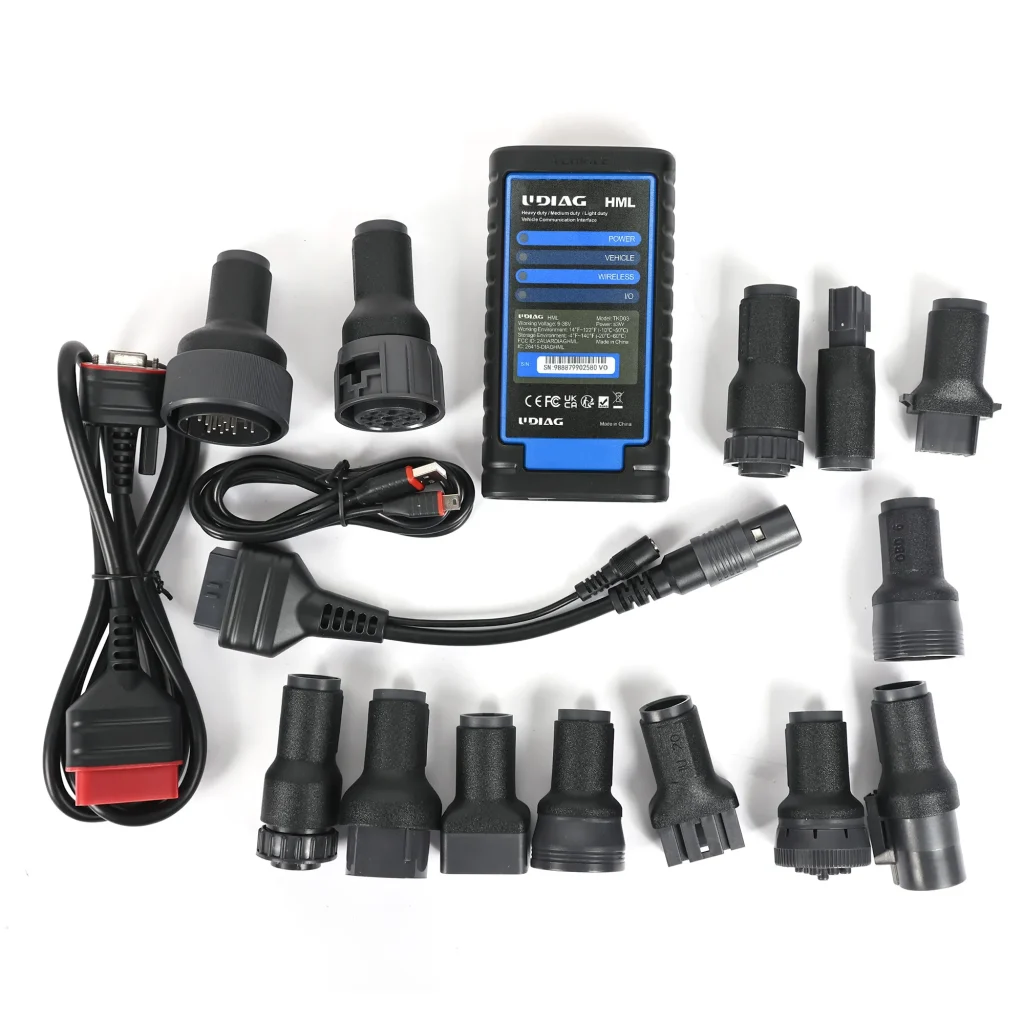
Before buying, consider your budget, vehicle compatibility, and diagnostic needs. Looking for a reliable tool? UDIAG offers high-quality code readers and scanners for all skill levels.