
-1024x1024.webp)

Introduce
Fault codes provide valuable information about underlying malfunctions, enabling technicians and users to identify and address problems promptly. When it comes to fault codes, it is essential to understand the distinction between pending and confirmed codes, as they have different implications and require specific actions for resolution.

What Is Pending Fault Codes
Pending fault codes are temporary indicators of potential issues within a system. They are typically detected during system checks or diagnostics but have not yet been confirmed as persistent problems. Pending fault codes may arise from sporadic errors, transient malfunctions, or conditions that have not been met consistently. These codes serve as early warnings, requiring further investigation and monitoring to determine if the issues resolve themselves or develop into confirmed faults. It is crucial not to ignore pending fault codes, as they may lead to more severe problems if left unattended.
What Is Confirmed Fault Codes
Confirmed fault codes, in contrast to pending codes, represent persistent and verified issues within a system. These codes indicate specific malfunctions or failures that have been detected and confirmed by the system’s diagnostic processes. Confirmed fault codes often require manual intervention or repairs to rectify the underlying problem. Ignoring or neglecting confirmed fault codes can result in degraded system performance, potential safety hazards, or even system failure. Therefore, prompt action is necessary to address confirmed fault codes effectively.
Differences Between Pending and Confirmed Fault Codes
The disparities between pending and confirmed fault codes are significant and should be acknowledged for proper system maintenance and troubleshooting:
Status and Severity
Pending fault codes are temporary and have the potential to resolve themselves. In contrast, confirmed fault codes persist until manual intervention occurs to rectify the identified issue.
Diagnostic Value and Priority
Pending fault codes act as early indicators, prompting further investigation to determine the root cause. Confirmed fault codes, on the other hand, provide actionable information for repairs or maintenance, prioritizing the need for immediate attention.
Impact on System Performance
Pending fault codes often have minimal or temporary effects on system performance. Confirmed fault codes, however, can lead to degraded performance, compromised functionality, or even complete system failure if not addressed promptly.
Monitoring and Management
Pending fault codes require continuous monitoring and periodic reevaluation to determine if the issues persist or resolve themselves. Confirmed fault codes demand timely resolution and clearance to prevent further complications or risks.
Examples and Applications
The distinction between pending and confirmed fault codes finds application in various industries and systems, including:
Automotive Industry (Onboard Diagnostics)
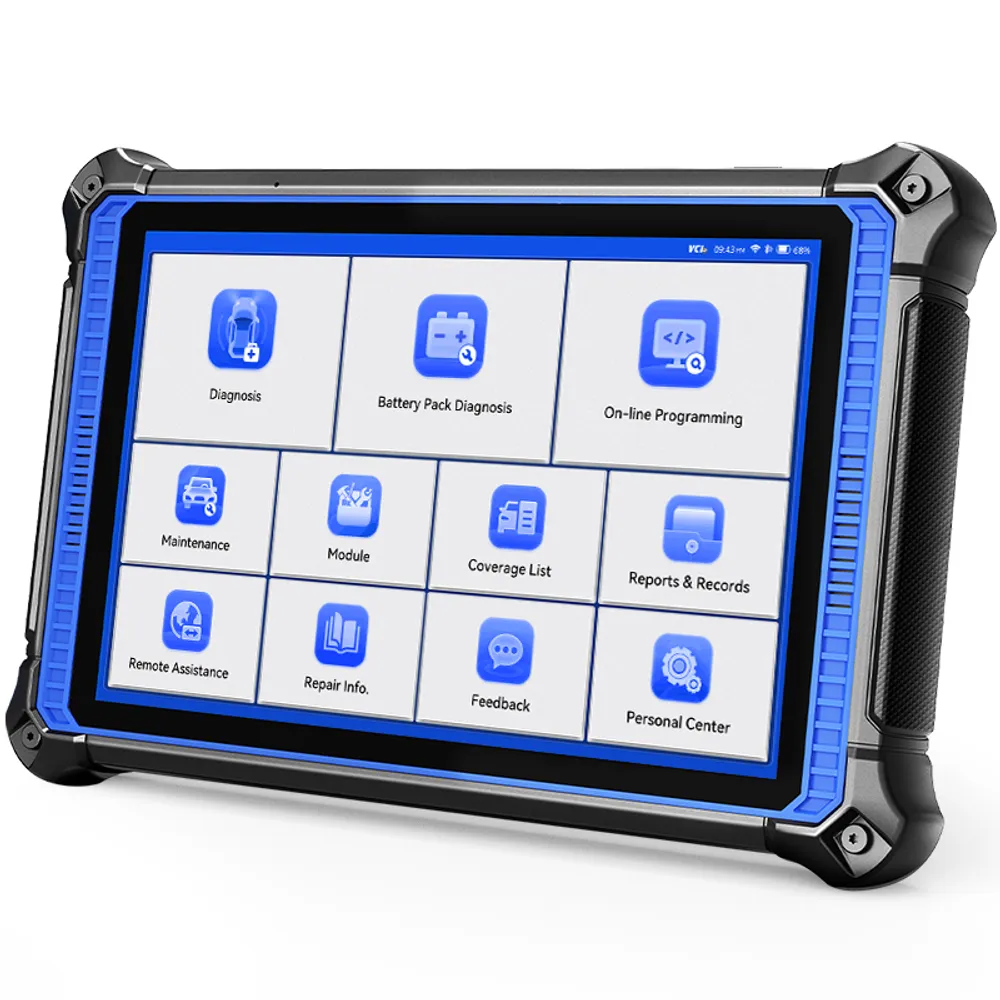
Vehicles utilize fault codes to identify potential issues in various systems, such as the engine, transmission, or emissions control. Pending fault codes can signal sporadic sensor errors, while confirmed fault codes indicate persistent malfunctions that necessitate repairs.
Industrial Machinery and Equipment
In industrial settings, fault codes help monitor the health and performance of machinery and equipment. Pending fault codes may arise from temporary sensor failures, while confirmed fault codes pinpoint specific mechanical or electrical faults that need attention.
Computer Systems and Software
Fault codes are employed in computer systems and software to diagnose errors and malfunctions. Pending fault codes can result from intermittent software glitches, while confirmed fault codes identify persistent issues that require software updates, patches, or hardware replacements.
Conclusion
Understanding the difference between pending and confirmed fault codes is vital for effective diagnostics, troubleshooting, and system maintenance. Pending codes provide early warnings that necessitate further investigation, while confirmed codes require immediate action to rectify persistent issues. Ignoring or misinterpreting fault codes can lead to compromised system performance, safety hazards, or expensive repairs. By grasping the nuances of pending and confirmed fault codes, technicians and users can mitigate risks, ensure system reliability, and maintain optimal functionality in various industries and applications.