

-1024x1024.webp)
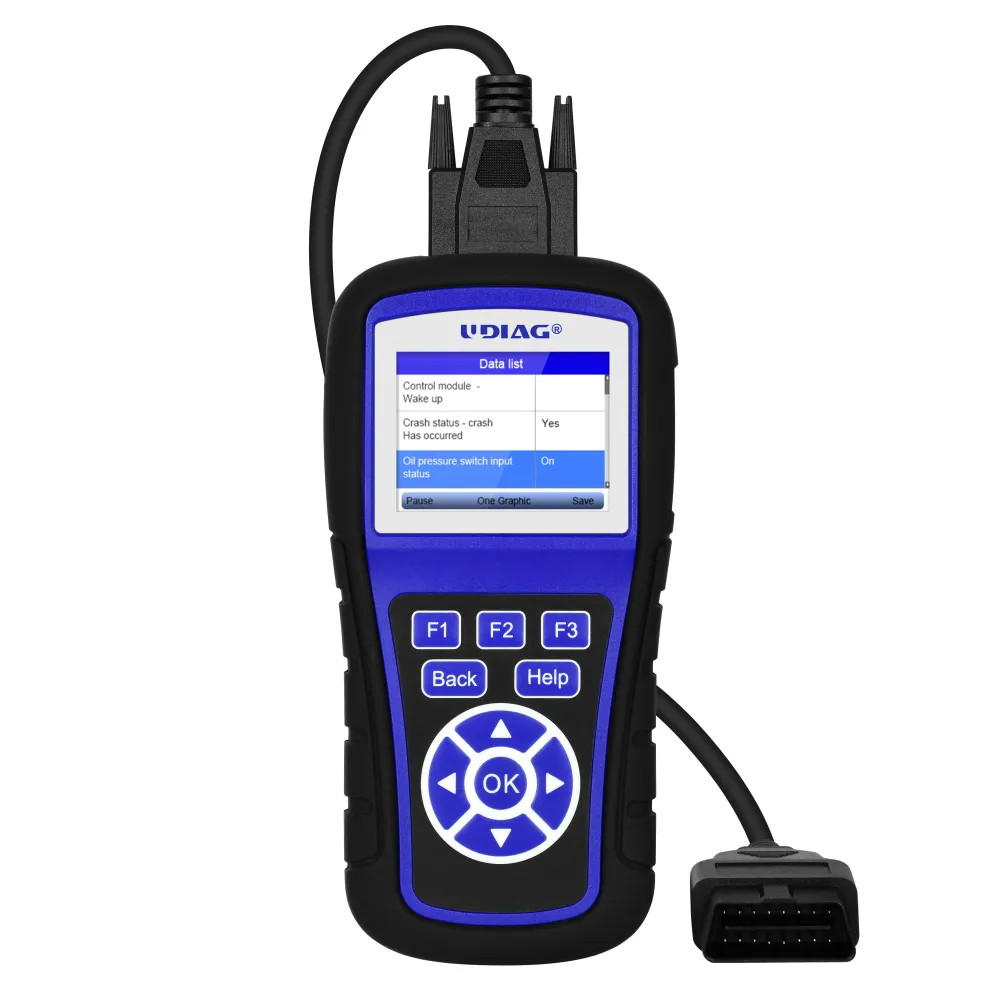
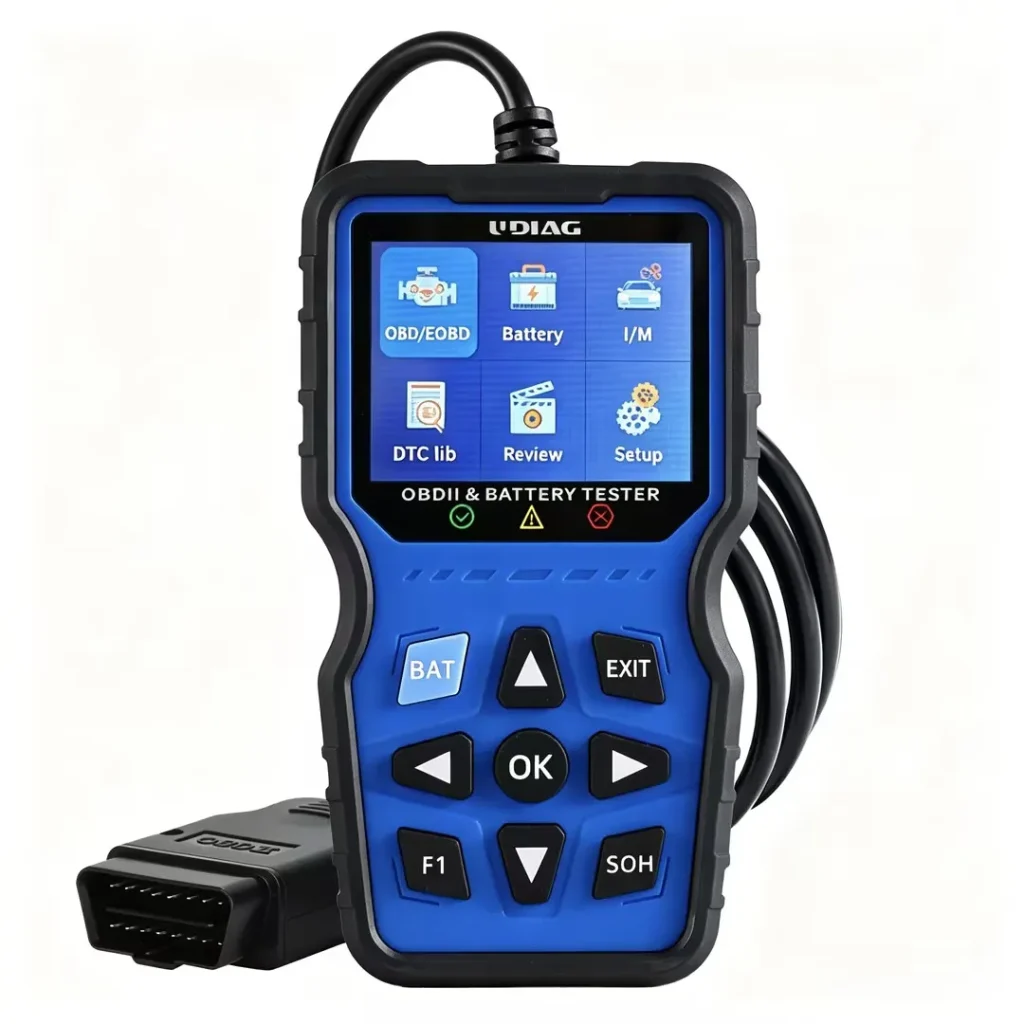
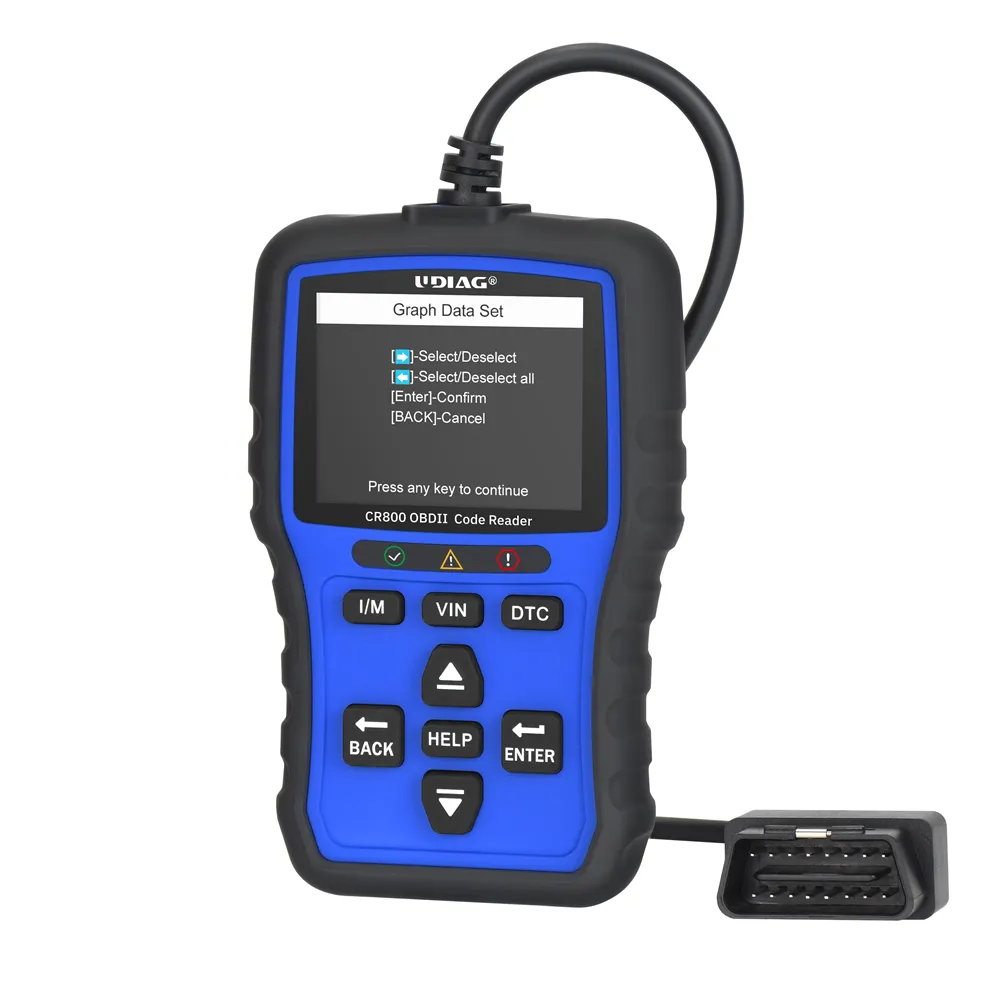
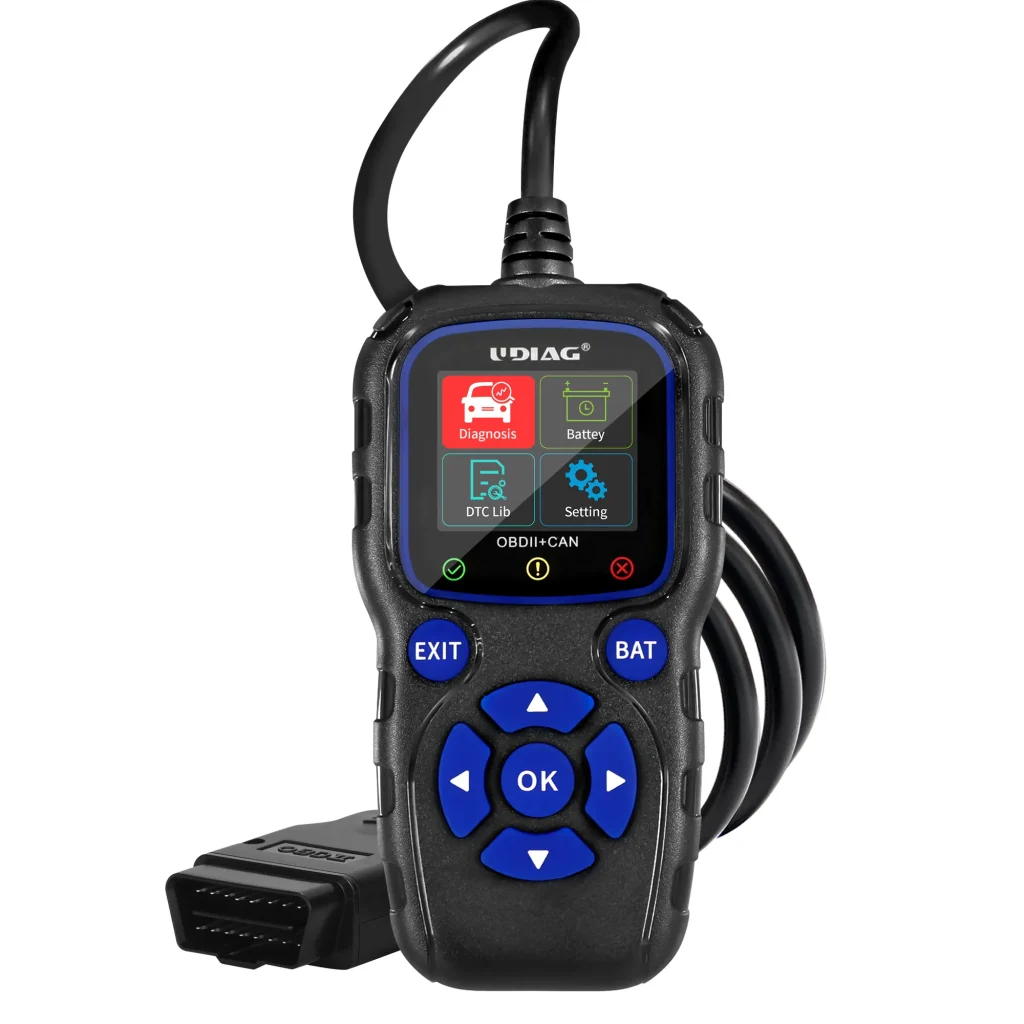

Freeze Frame Data and Live Data are two types of data that are critical to understanding and diagnosing problems in modern vehicles. Freeze Frame Data provides a snapshot of the vehicle’s operating conditions at the moment a fault code is set, while Live Data provides real-time information about the vehicle’s performance. Understanding the differences between these two types of data is essential for diagnosing automotive problems and ensuring that repairs are made quickly and effectively.
Definition of Freeze Frame Data
Freeze Frame Data is a type of data that captures a vehicle’s operating conditions at the moment a fault code is set. This data includes information such as engine speed, vehicle speed, throttle position, and other critical parameters that are used to diagnose problems. Freeze Frame Data is typically captured by the vehicle’s onboard computer, which records the information and stores it for later analysis. This data is then accessed by technicians using specialized diagnostic tools.

Definition of Live Data
Live Data, on the other hand, provides real-time information about the vehicle’s performance. This data includes information such as sensor readings, engine speed, fuel consumption, and other parameters that are critical to understanding how the vehicle is operating at any given moment. Live Data is typically accessed using a diagnostic tool that connects to the vehicle’s onboard computer and displays the information in real-time.

Differences between Freeze Frame Data & Live Data
One of the key differences between Freeze Frame Data and Live Data is the timing of data collection. Freeze Frame Data is captured at the moment a fault code is set, which means that it provides a snapshot of the vehicle’s operating conditions at a specific point in time. Live Data, on the other hand, provides real-time information about the vehicle’s performance as it is happening. This means that Live Data is more dynamic and can provide more detailed information about how the vehicle is performing under different conditions.
Another key difference between Freeze Frame Data and Live Data is the scope of the data collected. Freeze Frame Data typically captures a limited amount of data, including only the parameters that are relevant to the specific fault code that has been set. Live Data, on the other hand, provides a much broader range of information, including sensor readings, fuel consumption, and other critical parameters that are used to diagnose problems.
The use cases for Freeze Frame Data and Live Data are also different. Freeze Frame Data is typically used to diagnose specific fault codes and identify the underlying problem that is causing the code to be set. This data is then used to make repairs and ensure that the vehicle is operating properly. Live Data, on the other hand, is used to monitor the vehicle’s performance in real-time and identify any issues that may be occurring.
How Freeze Frame Data & Live Data are used in automotive diagnostics
In automotive diagnostics, Freeze Frame Data and Live Data are both critical tools for identifying and diagnosing problems. Freeze Frame Data is typically used to diagnose specific fault codes and identify the underlying problem that is causing the code to be set. This data is then used to make repairs and ensure that the vehicle is operating properly. Live Data, on the other hand, is used to monitor the vehicle’s performance in real-time and identify any issues that may be occurring.
For example, if a vehicle is experiencing a misfire, Freeze Frame Data can be used to determine the specific cylinder that is misfiring and identify the underlying cause of the problem. Live Data can then be used to monitor the vehicle’s performance in real-time and identify any other issues that may be occurring.
Conclusion
Freeze Frame Data and Live Data are two types of data that are critical to understanding and diagnosing problems in modern vehicles. Freeze Frame Data provides a snapshot of the vehicle’s operating conditions at the moment a fault code is set, while Live Data provides real-time information about the vehicle’s performance. Understanding the differences between these two types of data is essential for diagnosing automotive problems and ensuring that repairs are made quickly and effectively. By using both Freeze Frame Data and Live Data, technicians can diagnose problems more quickly