

-1024x1024.webp)
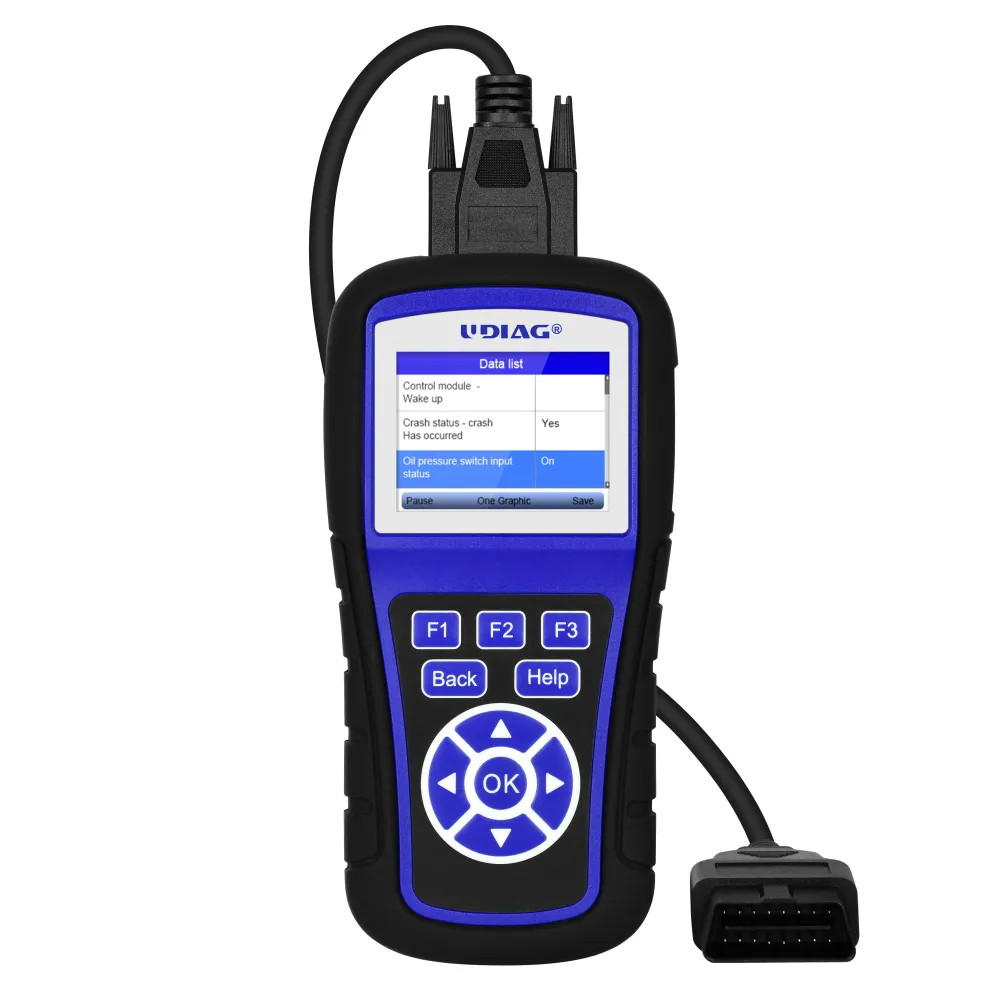
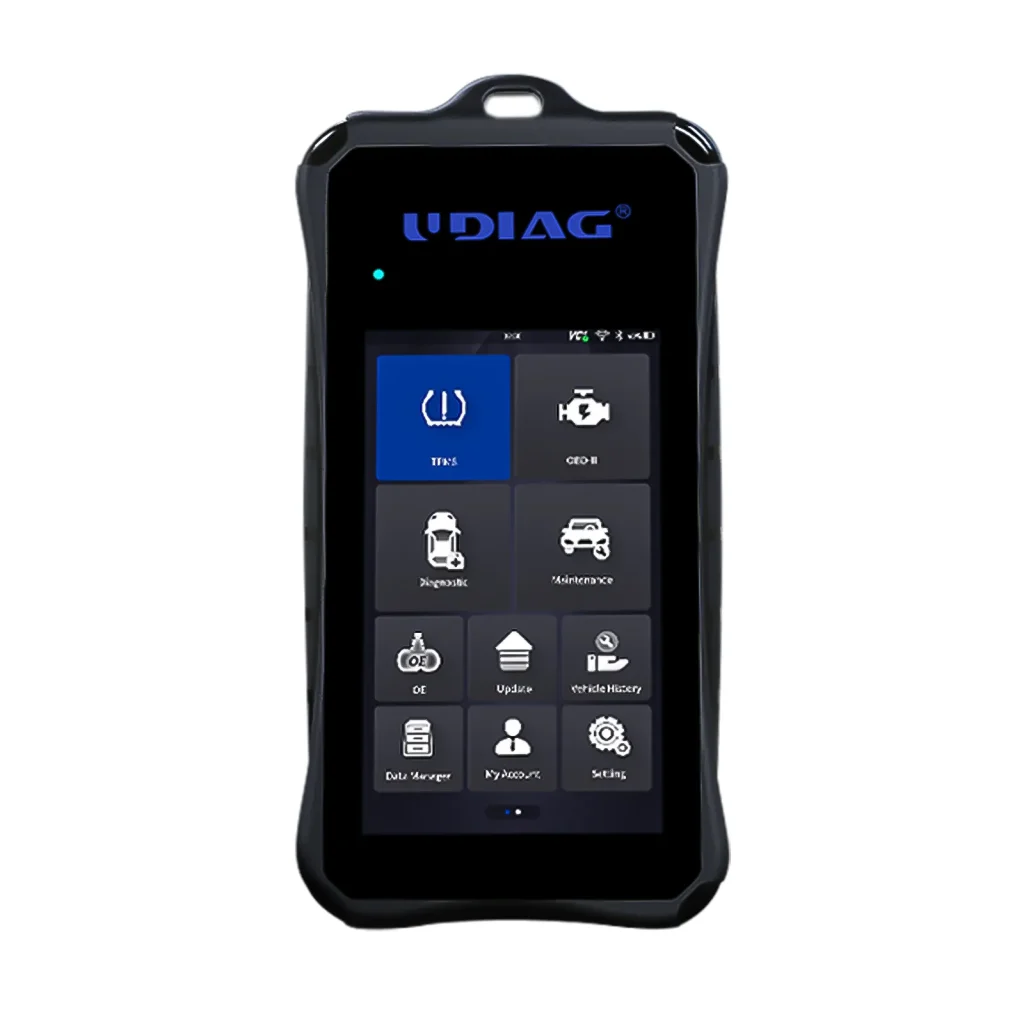
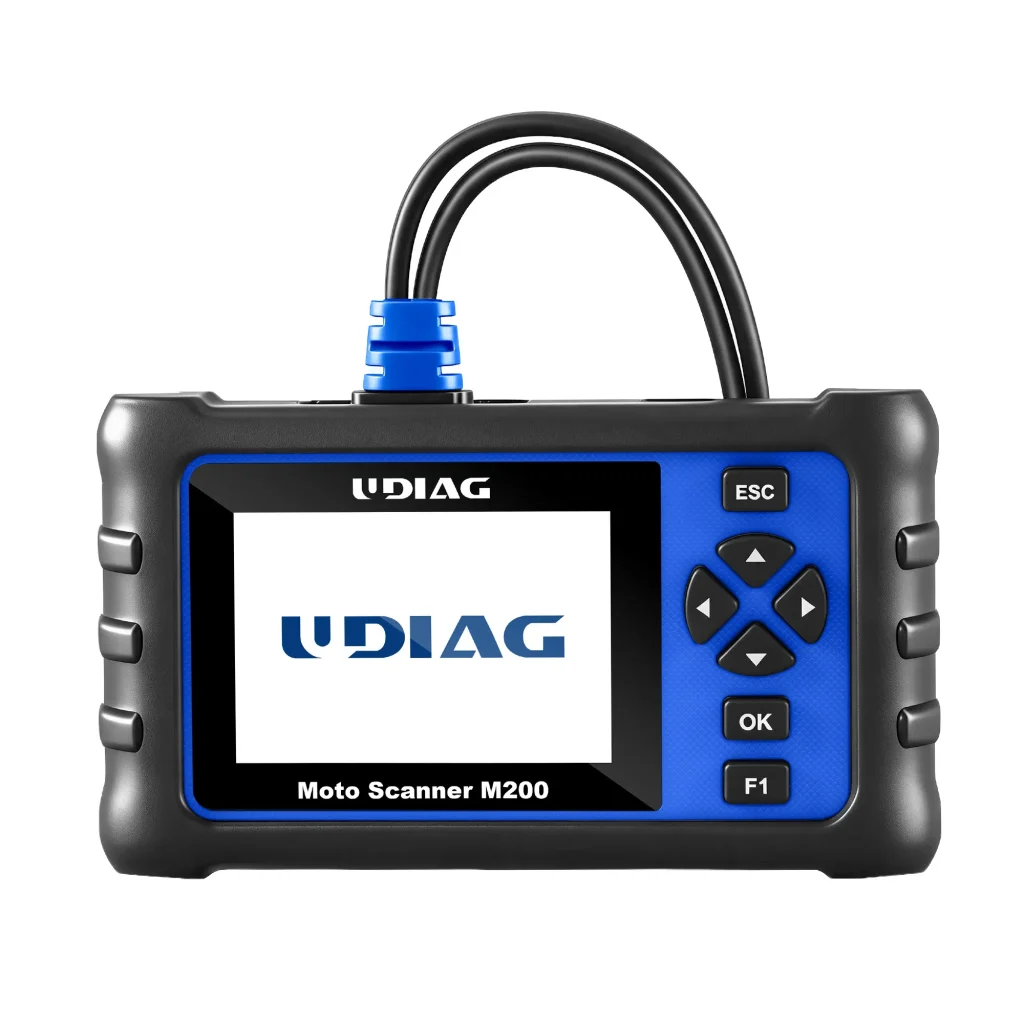
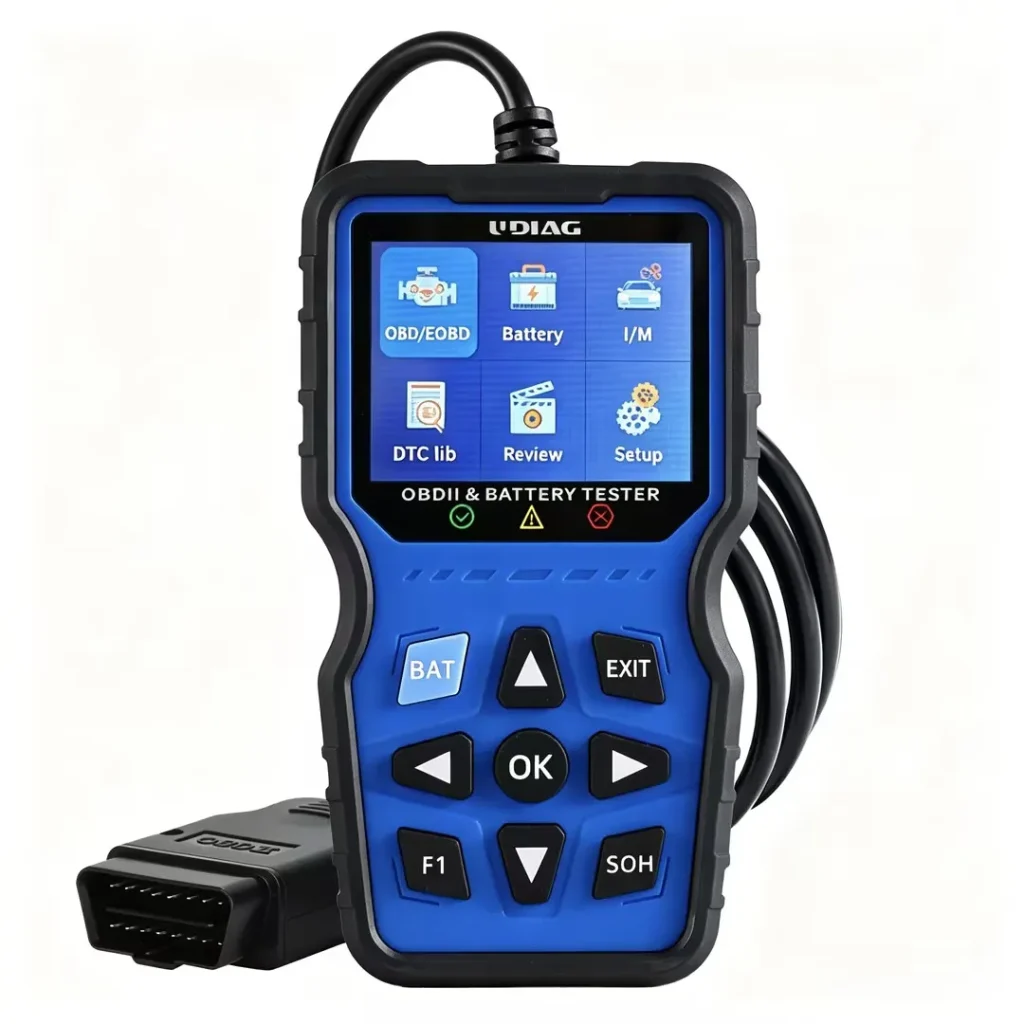
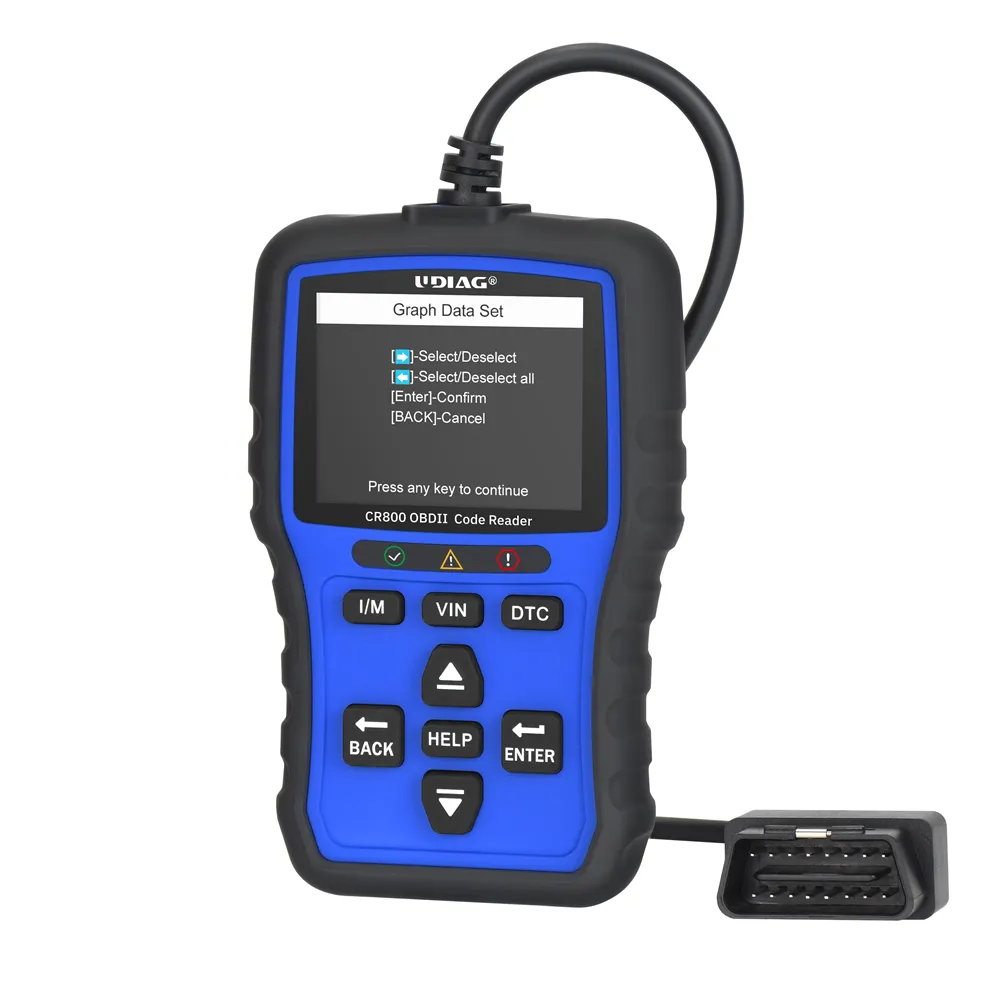
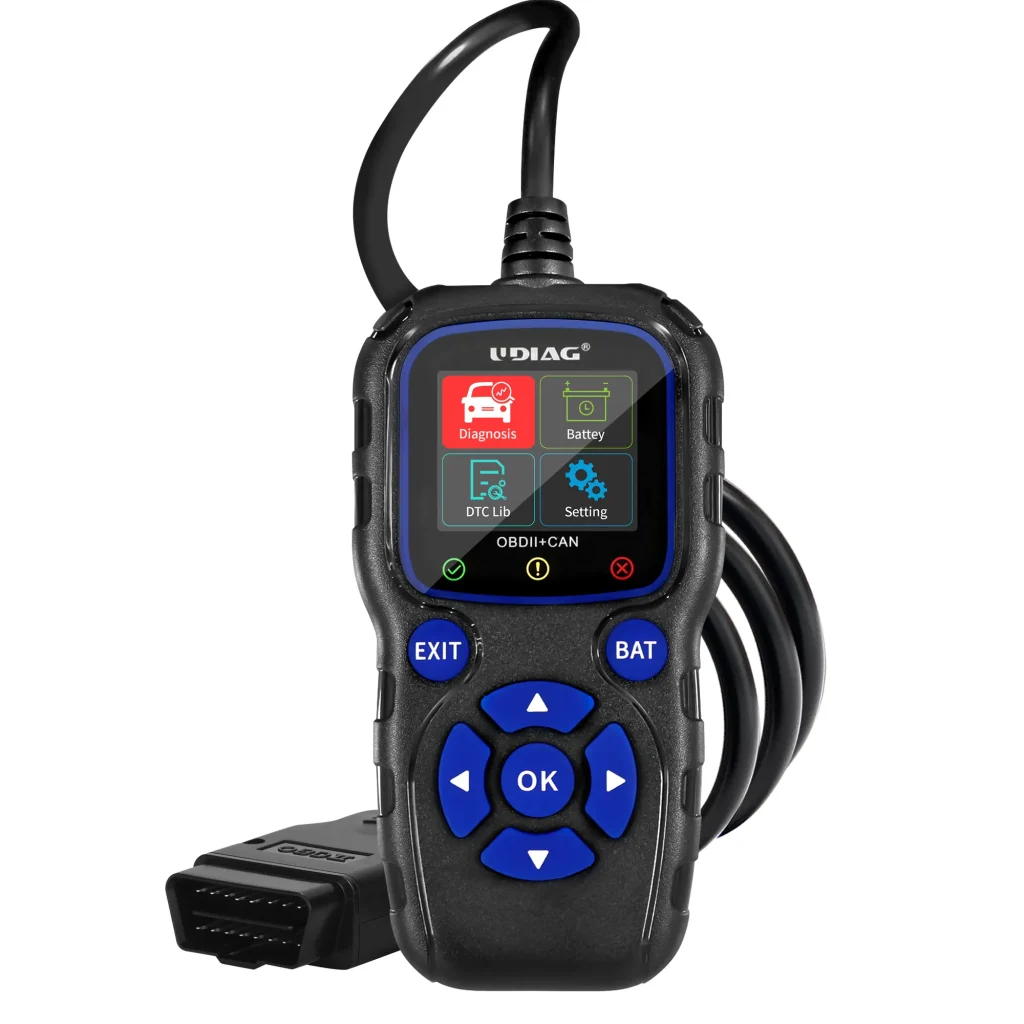

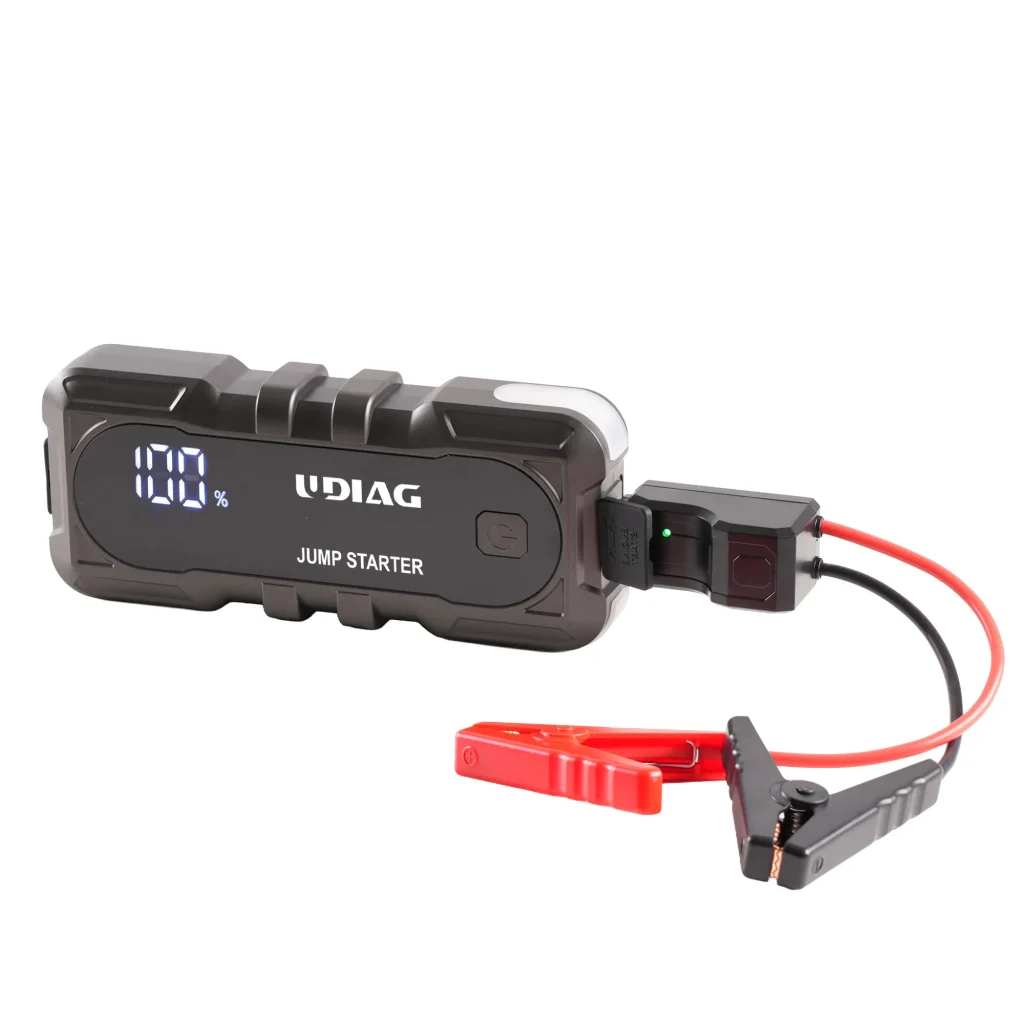
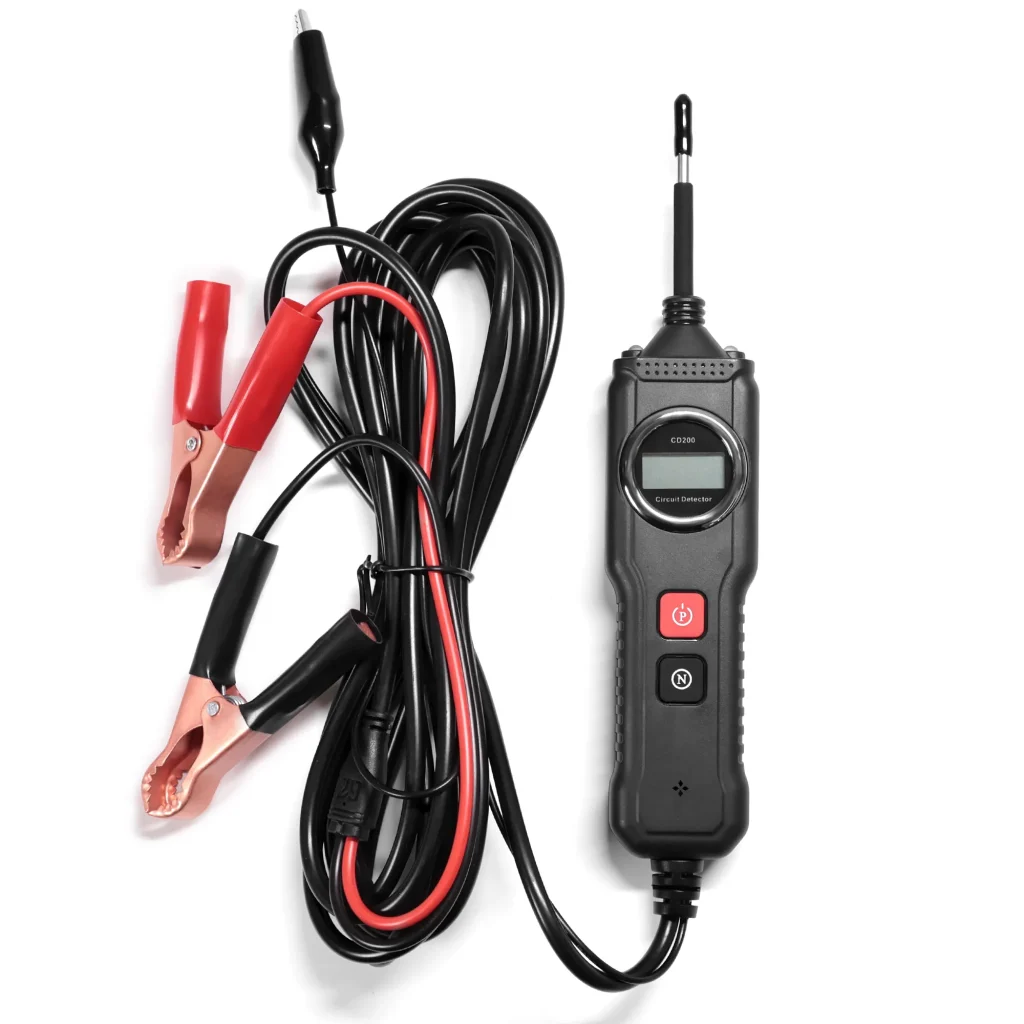
Modern vehicles are equipped with sophisticated systems to monitor their performance and diagnose issues. Two common terms you might have heard are OBD1 and OBD2. In this article, we will dive into the world of On-Board Diagnostics (OBD) to understand what OBD1 and OBD2 are, how they differ, and why OBD2 has become the industry standard.

I. Understanding OBD Systems
1.1 What is OBD1?
OBD1, short for On-Board Diagnostics 1, was the first generation of automotive diagnostic systems. It was introduced in the 1980s and was a significant advancement in the automotive industry. OBD1 systems varied between manufacturers and often required specialized tools to access and interpret data.

1.2 What is OBD2?
OBD2, or On-Board Diagnostics 2, is the successor to OBD1. It became standardized in the mid-1990s and was mandated for all vehicles sold in the United States. OBD2 systems have uniform communication protocols and connector types, making diagnostics more accessible and consistent across all makes and models.

II. Differences Between OBD1 and OBD2
2.1 Communication Protocols
One of the key differences between OBD1 and OBD2 is their communication protocols. OBD1 systems used manufacturer-specific codes and often required proprietary equipment. In contrast, OBD2 utilizes a standardized set of diagnostic trouble codes (DTCs) and can be accessed with a universal OBD2 scanner.
2.2 Diagnostic Capabilities
OBD2 offers more advanced diagnostic capabilities compared to OBD1. It can monitor a broader range of vehicle systems and provide more detailed information about faults and issues. This enhanced diagnostic capability allows for more accurate and efficient repairs.
2.3 Connector Types
OBD1 systems had a variety of connector types, making it challenging for mechanics and vehicle owners to find the right adapter. OBD2, on the other hand, has a standardized 16-pin connector, making it much easier to connect diagnostic tools.
III. The Evolution of OBD Systems
Over time, OBD systems have evolved to keep up with advancements in vehicle technology. OBD1 was a significant step forward, but its lack of standardization created challenges for both mechanics and car owners.
IV. Why OBD2 is Standard Today
The transition to OBD2 was driven by the need for a more consistent and universal diagnostic system. It allows mechanics to identify and address issues more effectively, leading to reduced repair times and costs. Additionally, it has environmental benefits by monitoring emissions systems more comprehensively.
V. Benefits of OBD2
1.Easier Diagnostics: OBD2’s standardized approach simplifies the diagnostic process, saving time and reducing guesswork.
2. Cost Savings: With quicker and more accurate diagnostics, repairs become more cost-effective.
3. Emissions Monitoring: OBD2 plays a crucial role in reducing vehicle emissions by monitoring and flagging emissions system issues.
VI. Common OBD2 Diagnostic Trouble Codes (DTCs)
6.1 P0101 – Mass Airflow Sensor Circuit Range/Performance Issue
This code indicates a problem with the mass airflow sensor, which measures the amount of air entering the engine. A malfunction can affect engine performance.
6.2 P0300 – Random/Multiple Cylinder Misfire Detected
This code suggests misfires in multiple engine cylinders, potentially caused by issues with ignition, fuel delivery, or other components.
6.3 P0420 – Catalyst System Efficiency Below Threshold
This code points to a problem with the catalytic converter’s efficiency, which can lead to increased emissions.
VII. OBD2 Scanners and Their Importance
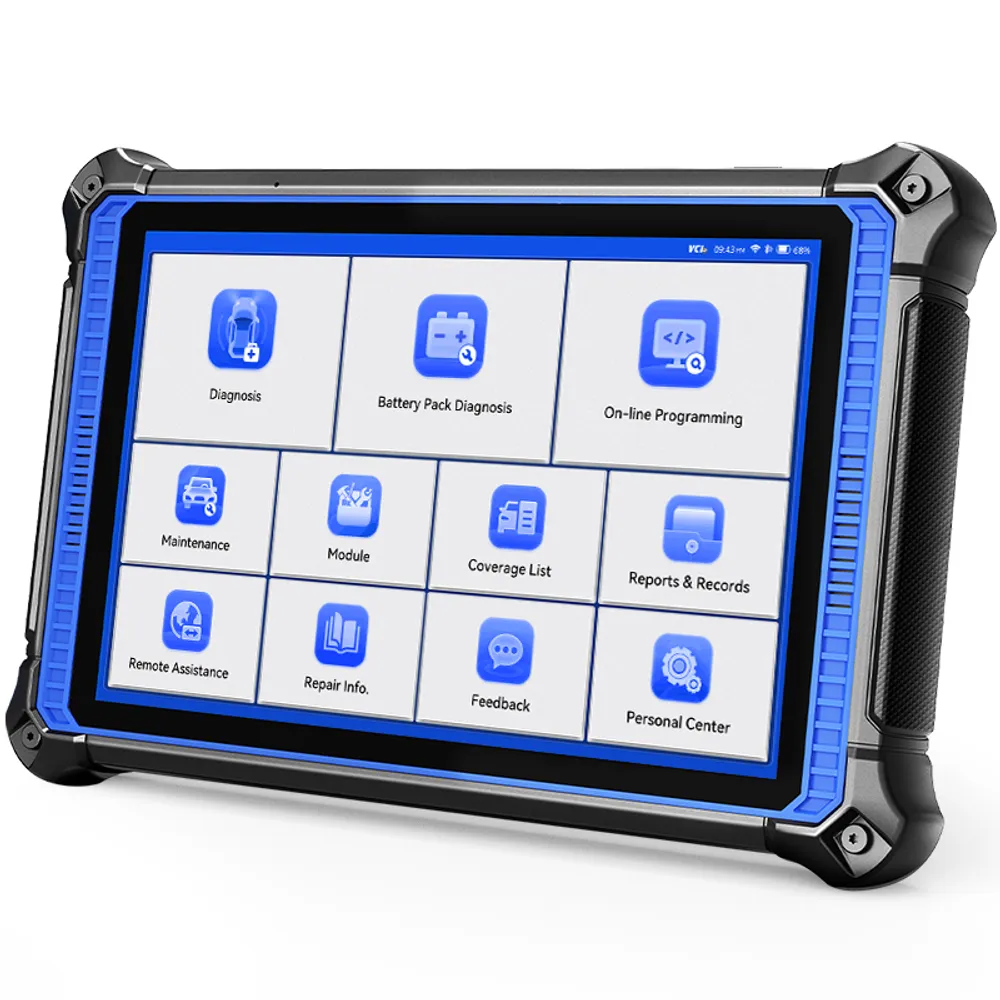
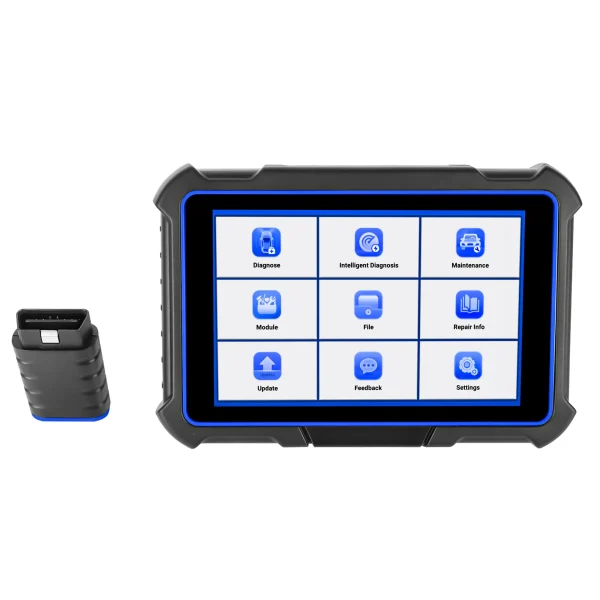
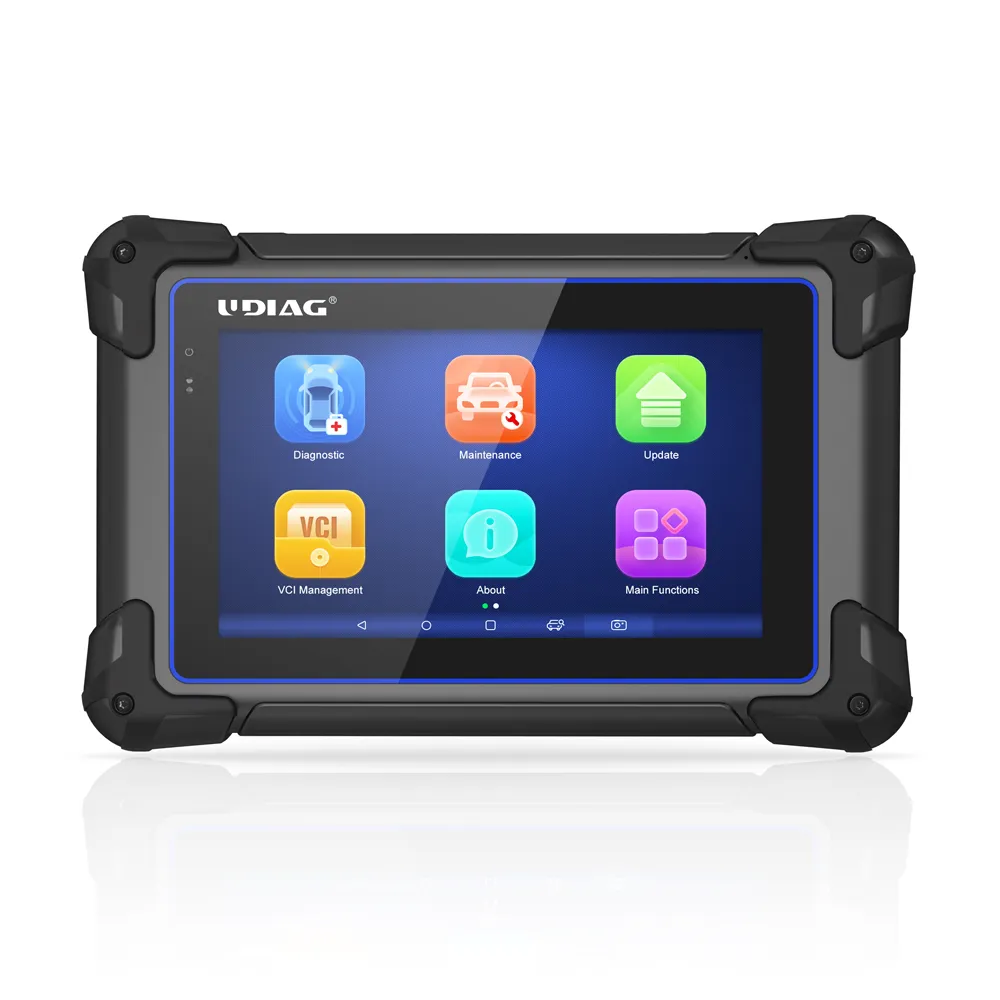
OBD2 scanners have become invaluable tools for both professional mechanics and car enthusiasts. They allow for quick and accurate diagnosis of issues, enabling timely repairs and maintenance.
VIII. Maintaining Your Vehicle with OBD2
Regularly using an OBD2 scanner can help you stay on top of your vehicle’s health. By addressing issues as they arise, you can extend your vehicle’s lifespan and reduce the risk of costly repairs.
Conclusion
In conclusion, OBD1 and OBD2 represent two generations of automotive diagnostic systems. While OBD1 was a significant step forward in its time, OBD2 has become the industry standard due to its uniformity, advanced diagnostic capabilities, and cost-effectiveness. Embracing OBD2 technology not only simplifies vehicle diagnostics but also contributes to a cleaner environment through better emissions monitoring.
FAQs
- Is OBD2 compatible with all vehicle makes and models?
Yes, OBD2 is a standardized system used in all vehicles sold in the United States since the mid-1990s.
- Can I use an OBD2 scanner for DIY car diagnostics?
Absolutely! OBD2 scanners are user-friendly and can be used by car enthusiasts for basic diagnostics.
- How do I reset an OBD2 trouble code after making repairs?
Most OBD2 scanners have a “clear codes” function, allowing you to reset trouble codes after addressing the underlying issue.
- Are there any downsides to OBD2 systems?
While OBD2 is highly beneficial, some critics argue that it may lead to overreliance on diagnostic tools, potentially overlooking fundamental mechanical skills.
- Where can I access more information about OBD2 and its diagnostics?
For additional information and resources, you can visit https://www.udiagtech.com/
In a vehicle, understanding OBD1 and OBD2 is essential for effective maintenance and troubleshooting. Embracing the capabilities of OBD2 can lead to smoother rides and a healthier environment.