

-1024x1024.webp)

The On-Board Diagnostic II (OBD-II) system has become an indispensable tool for diagnosing and troubleshooting vehicle issues. Among the multitude of diagnostic trouble codes (DTCs) that can be encountered, the P0016 code stands out as a common and often perplexing problem. In this article, we will delve into the secrets of the P0016 OBD-II trouble code, exploring its causes, symptoms, and effective troubleshooting techniques.

Understanding the P0016 OBD-II Trouble Code
The P0016 OBD-II trouble code is a generic code that indicates a problem with the correlation between the camshaft and crankshaft positions in bank 1 of the engine. It specifically refers to “Camshaft Position – Crankshaft Position Correlation Bank 1 Sensor A.”
In engines equipped with variable valve timing (VVT) systems, the camshaft and crankshaft positions need to be precisely synchronized for optimal engine performance. The camshaft position sensor and the crankshaft position sensor play crucial roles in monitoring and providing information about these positions to the engine control module (ECM).
When the ECM detects a correlation issue between the camshaft and crankshaft positions in bank 1, it triggers the P0016 code. This can be caused by various factors, including a malfunctioning camshaft position sensor, crankshaft position sensor, or issues with the timing belt or chain. Low engine oil levels or contaminated oil can also affect the performance of the VVT system and lead to the P0016 code.
Troubleshooting Steps for the P0016 Code
- Visual inspection of related components: Perform a thorough inspection of the timing belt/chain, camshaft position sensor, crankshaft position sensor, and any associated wiring or connectors for signs of damage or wear.
- Checking the oil level and condition: Low or contaminated engine oil can affect the VVT system’s operation. Verify the oil level and quality, ensuring it meets the manufacturer’s specifications.
- Verifying the timing belt/chain condition: A worn or misaligned timing belt/chain can lead to timing discrepancies. Inspect the timing belt/chain for signs of wear, tension, or misalignment.
- Inspecting the camshaft position sensor: Test the camshaft position sensor using a multimeter or scan tool to ensure it is functioning correctly. Replace if necessary.
- Testing the crankshaft position sensor: Verify the functionality of the crankshaft position sensor using appropriate testing methods. Replace if defective.
- Examining the VVT solenoids: Inspect the VVT solenoids for clogs, blockages, or electrical malfunctions. Clean or replace as needed.
Advanced Troubleshooting Techniques
Advanced troubleshooting techniques can be valuable when dealing with complex cases or elusive issues related to the P0016 OBD-II trouble code. These techniques can help pinpoint specific problems within the variable valve timing (VVT) system and facilitate a more accurate diagnosis. Here are some advanced troubleshooting techniques to consider:
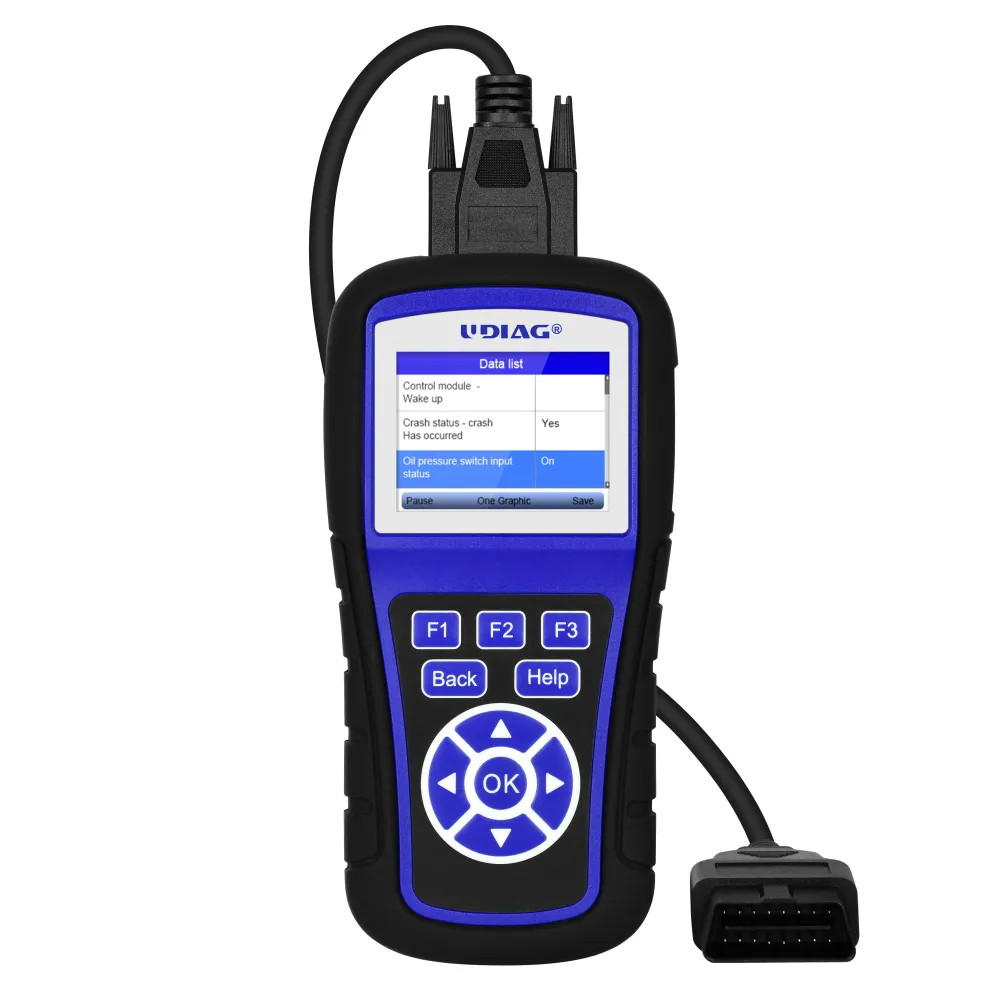
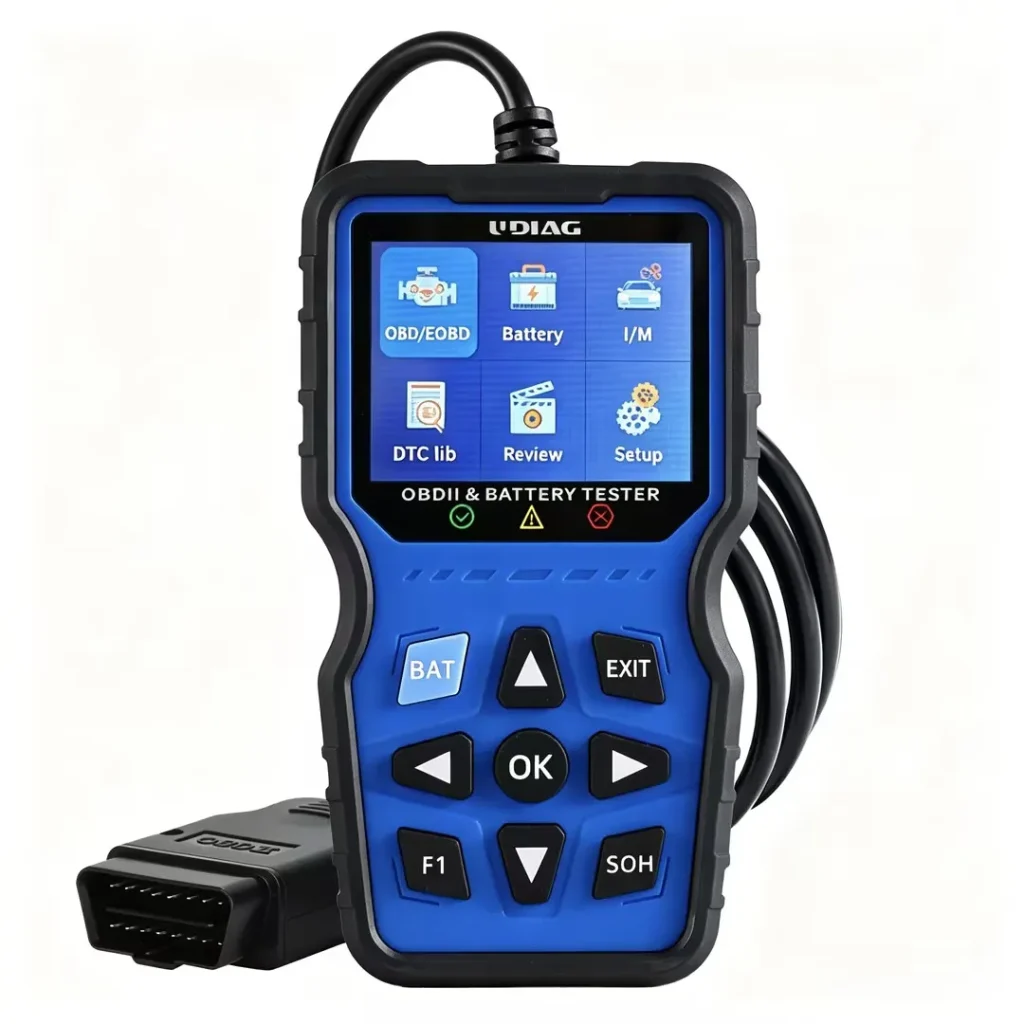
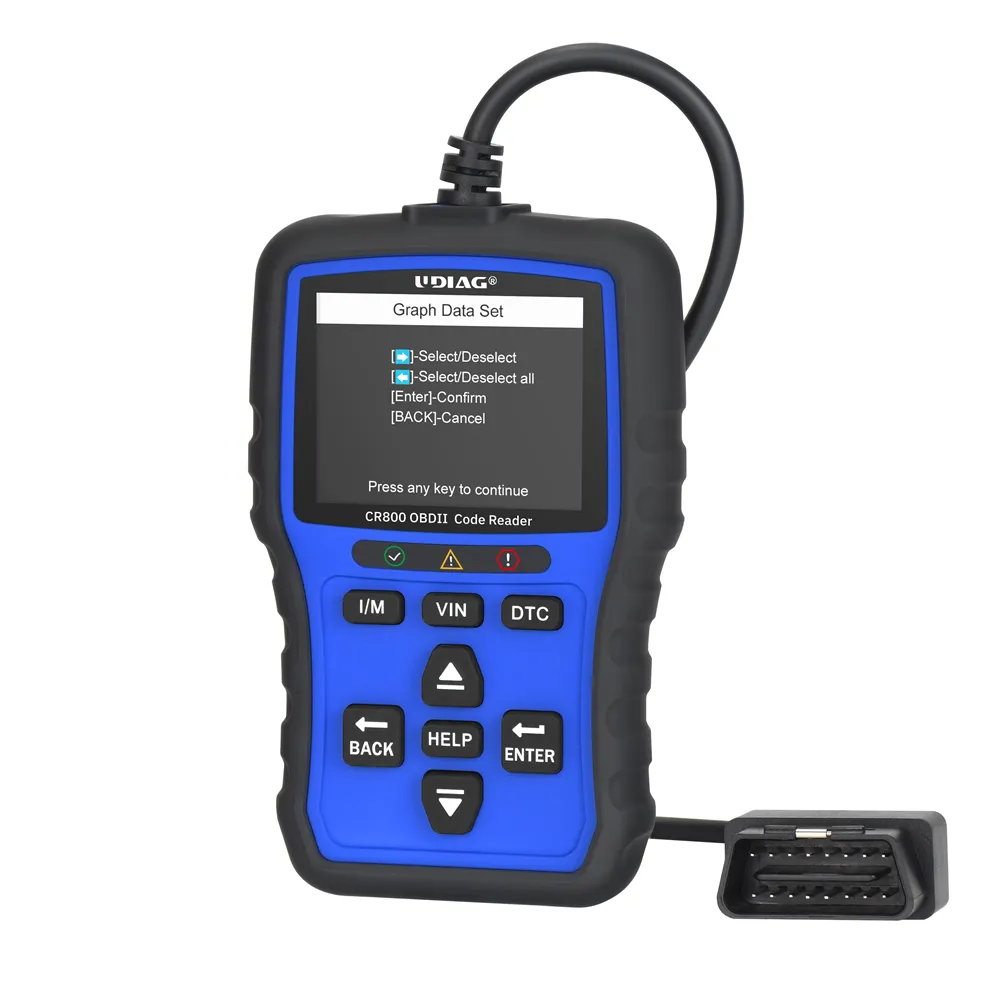
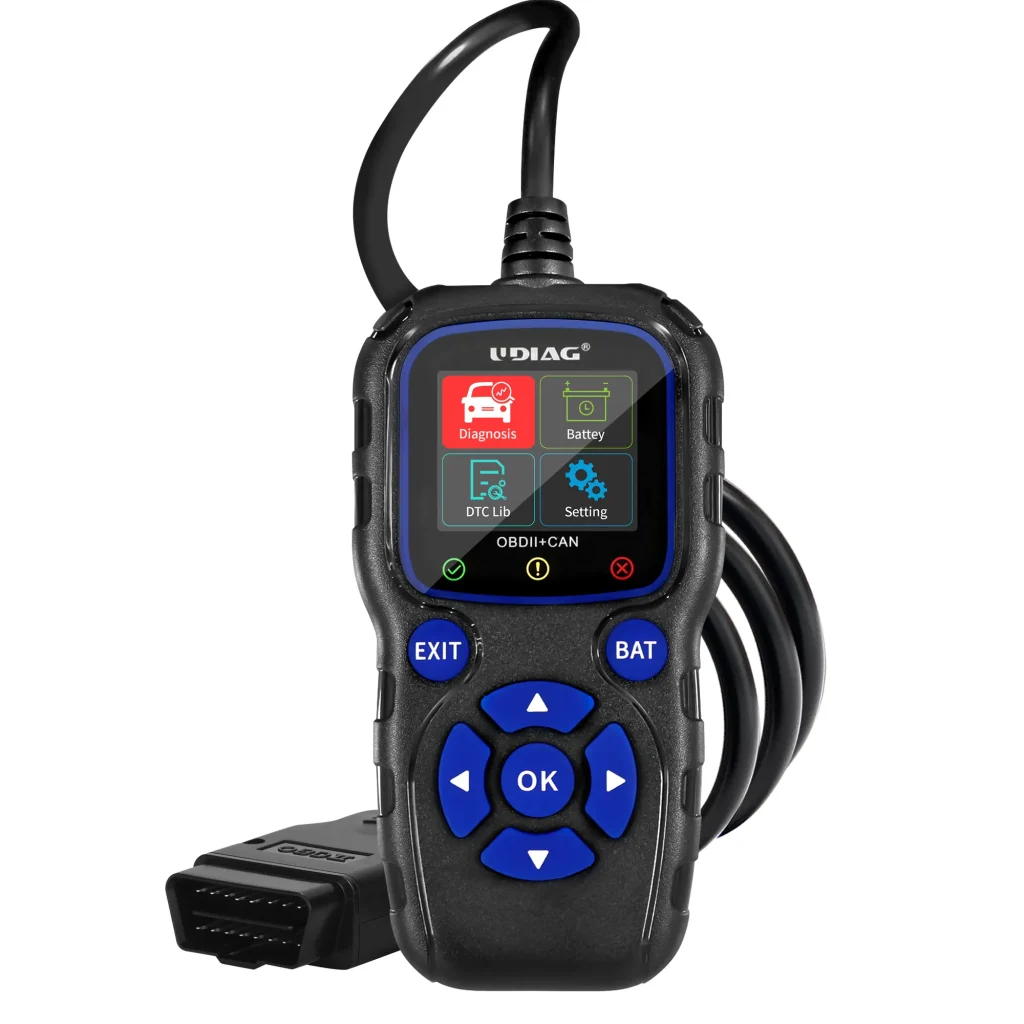
- Scan Tools with Live Data Monitoring and Graphing: Utilize advanced OBD-II scan tools that allow you to monitor live data from various sensors and actuators involved in the VVT system. This can provide real-time insights into the system’s operation, allowing you to identify abnormal readings or inconsistencies. Graphing capabilities can help visualize data trends and correlations.
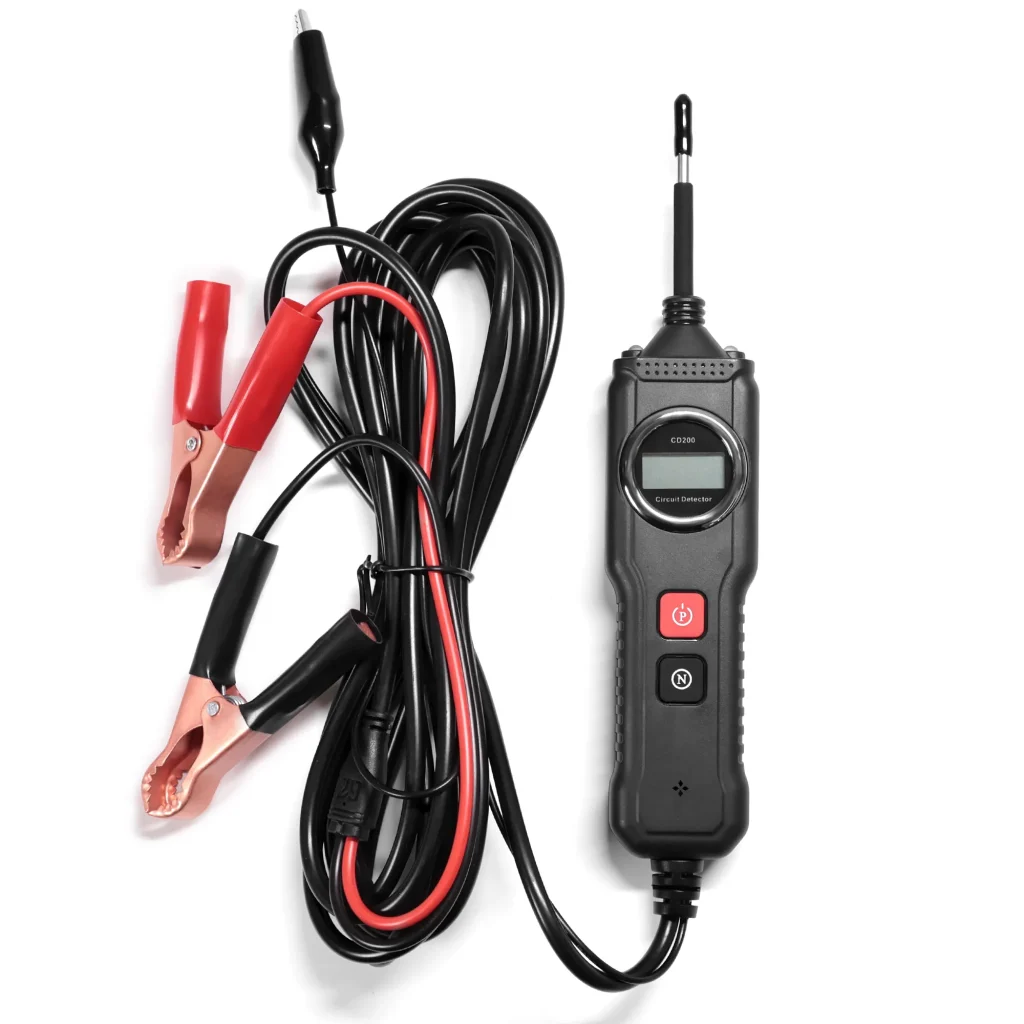
- Electrical and Continuity Tests: Perform electrical tests on the wiring, connectors, and harnesses associated with the VVT system. Use a multimeter or other appropriate testing equipment to check for voltage, continuity, and resistance. Focus on areas where faulty connections or wiring issues are more likely to occur.
- Engine Control Module (ECM) Updates: Check if there are any available software updates or ECM reprogramming provided by the vehicle manufacturer. Sometimes, an outdated or glitchy ECM software can contribute to VVT system problems. Updating the ECM can potentially resolve such issues.
- Mechanical Inspection and Verification: Conduct a thorough inspection of the mechanical components involved in the VVT system, such as the timing belt or chain, tensioners, guides, and pulleys. Look for signs of wear, misalignment, or damage that could affect the correlation between the camshaft and crankshaft. Verify that the components are correctly installed and operating within the manufacturer’s specifications.
- Oil Pressure and Flow Testing: Low oil pressure or inadequate oil flow can disrupt the VVT system’s operation. Perform oil pressure tests using specialized tools to ensure that the engine is receiving sufficient oil pressure, especially at idle and various RPM ranges. Consider checking the oil pump, filters, and passages for any obstructions or malfunctions.
- Component Swapping and Testing: In some cases, swapping suspect components with known-good ones can help isolate the root cause of the problem. For example, swapping the camshaft position sensor or VVT solenoid with a known-working unit can help determine if the original component is faulty. Additionally, testing suspect components outside the vehicle using appropriate procedures and equipment can provide more accurate results.
Remember, advanced troubleshooting techniques require a good understanding of the VVT system, specialized tools, and technical knowledge. If you’re unsure or unable to perform these techniques yourself, it is recommended to consult a professional mechanic or technician with experience in diagnosing and resolving VVT-related issues.
Preventive Maintenance and Best Practices
Preventive maintenance and adhering to best practices can help minimize the occurrence of the P0016 OBD-II trouble code and ensure the longevity and optimal performance of the variable valve timing (VVT) system. Here are some preventive maintenance tips and best practices to consider:
- Follow Manufacturer’s Maintenance Schedule: Adhere to the recommended maintenance schedule provided by the vehicle manufacturer. This includes regular oil changes, filter replacements, and inspections of the VVT system components. Following the manufacturer’s guidelines ensures that the VVT system is properly maintained and reduces the risk of issues like oil sludge buildup or timing component wear.
- Use High-Quality Engine Oil: Always use high-quality engine oil that meets the specifications outlined by the vehicle manufacturer. The correct oil viscosity and formulation are crucial for optimal VVT system operation. Regularly check the oil level and maintain it within the recommended range to prevent oil-related problems.
- Timing Belt/Chain Replacement: The timing belt or chain is a critical component in the VVT system. It is essential to replace the timing belt or chain at the recommended intervals specified by the manufacturer. Over time, these components can stretch, wear, or become misaligned, leading to timing discrepancies and triggering the P0016 code.
- Keep the Engine Clean: A clean engine is less prone to issues and malfunctions. Regularly clean the engine bay to remove dirt, debris, and contaminants that could affect the VVT system’s operation. Avoid spraying water directly onto sensitive components or electrical connections.
- Address Engine Performance Issues Promptly: If you notice any symptoms of engine performance problems, such as rough idling, loss of power, or unusual noises, address them promptly. Ignoring these issues can potentially lead to further damage and trigger the P0016 code. Have the vehicle inspected by a qualified mechanic to identify and resolve the underlying problems.
- Avoid Over-revving and Harsh Driving: Excessive engine RPMs and harsh driving can put additional stress on the VVT system components. Avoid aggressive driving habits and excessive revving, especially when the engine is cold. Smooth acceleration and maintaining proper RPM ranges help reduce unnecessary strain on the VVT system.
- Regularly Inspect and Clean VVT Components: Periodically inspect the VVT system components, such as VVT solenoids and oil control valves, for any signs of contamination or blockage. Clean them as needed, following the manufacturer’s recommendations and using appropriate cleaning methods and solvents.
- Consult Professional Assistance: If you’re unsure about performing preventive maintenance tasks or encountering persistent issues, seek professional assistance. Qualified mechanics or technicians with experience in VVT systems can provide expert advice, perform necessary inspections, and address any concerns or repairs required.
By implementing these preventive maintenance measures and following best practices, you can minimize the likelihood of encountering the P0016 code and ensure the smooth operation of your vehicle’s VVT system.
Conclusion
The P0016 OBD-II trouble code can be a frustrating challenge for vehicle owners and technicians alike. However, by understanding its causes, recognizing the symptoms, and employing effective troubleshooting techniques, it can be successfully diagnosed and resolved. Remember to leverage diagnostic tools, follow systematic troubleshooting steps, and perform regular preventive maintenance to keep your vehicle running smoothly. If in doubt, consult a professional mechanic for assistance in addressing the P0016 code and ensuring the longevity of your vehicle’s engine.