

-1024x1024.webp)

The advent of On-Board Diagnostics II (OBD-II) systems has revolutionized the way we diagnose and resolve issues in modern vehicles. One common trouble code encountered is P0122, which indicates a problem with the throttle position sensor (TPS). In this essay, we will delve into the details of the P0122 trouble code, exploring its symptoms, potential causes, diagnostic procedures, and effective solutions.

Understanding the P0122 OBD-II Trouble Code
The On-Board Diagnostics II (OBD-II) system has become an integral part of modern vehicles, providing a standardized way to diagnose and troubleshoot engine and emissions-related issues. Among the numerous trouble codes that can be encountered, the P0122 code specifically pertains to a problem with the throttle position sensor (TPS). To effectively address this trouble code, it is essential to understand its significance and implications.
The throttle position sensor is a vital component of the engine control system, responsible for relaying information about the position of the throttle to the vehicle’s engine control module (ECM) or powertrain control module (PCM). This information is crucial for the ECM/PCM to adjust the air-fuel mixture and control the engine’s performance.
When the ECM/PCM detects an issue with the throttle position sensor circuit, it generates the P0122 code. This code indicates that the TPS is providing a low input signal or voltage that is outside the specified range. It is important to note that the specifics of the code, such as voltage thresholds and sensor designations, may vary depending on the vehicle make and model.
Symptoms of P0122 OBD-II Trouble Code
The P0122 OBD-II trouble code is associated with a malfunction in the throttle position sensor (TPS) circuit, specifically indicating a low input voltage or signal that falls outside the specified range. Recognizing the symptoms that accompany this trouble code is crucial for early detection and timely resolution. Here are common symptoms that may indicate the presence of the P0122 code:
- Erratic or fluctuating engine idle speed: One of the primary symptoms of a faulty TPS is an unstable or inconsistent engine idle speed. The engine may rev up and down unexpectedly, making it difficult to maintain a steady idle.
- Unresponsive throttle response: When the TPS is not functioning correctly, the throttle response may become sluggish or unresponsive. Pressing the accelerator pedal may not result in the expected acceleration or power delivery.
- Intermittent acceleration issues: Along with an unresponsive throttle, the vehicle may experience intermittent acceleration problems. It may hesitate or stumble during acceleration, making it challenging to maintain smooth and consistent speed.
- Engine stalling: In severe cases, a malfunctioning TPS can cause the engine to stall. This can happen when the TPS fails to provide accurate information to the ECM/PCM, leading to incorrect fuel and air mixture adjustments.
- Illuminated Check Engine Light: The P0122 code will trigger the Check Engine Light (CEL) on the vehicle’s dashboard. The CEL serves as an indication that the ECM/PCM has detected a fault in the TPS circuit and has stored the corresponding trouble code.
It’s important to note that while these symptoms are commonly associated with the P0122 code, they can also be indicative of other issues within the throttle system or engine. Therefore, it is recommended to perform a thorough diagnostic procedure to confirm the specific cause before proceeding with repairs.
Causes of P0122 OBD-II Trouble Code
The P0122 OBD-II trouble code indicates a problem with the throttle position sensor (TPS) circuit, specifically a low input voltage or signal that is outside the specified range. Several potential causes can trigger this trouble code. Here are the common factors that may contribute to the appearance of the P0122 code:
- Faulty or failing throttle position sensor (TPS): The TPS may experience wear and tear over time, leading to inaccurate voltage readings or inconsistent signal output. A worn-out TPS can provide a lower-than-normal voltage, triggering the P0122 code.
- Wiring or connector issues: Problems within the wiring or connectors that are part of the TPS circuit can disrupt the signal transmission between the sensor and the engine control module (ECM) or powertrain control module (PCM). Damaged or corroded wires, loose connections, or broken pins can all result in a low input voltage, causing the P0122 code.
- Malfunctioning ECM/PCM: In some cases, the ECM/PCM itself may be malfunctioning or not interpreting the TPS signal correctly. This can lead to false voltage readings or miscommunication, triggering the P0122 code.
- Other potential causes: While less common, there are a few other factors that can contribute to the appearance of the P0122 code. These include issues such as a faulty throttle body assembly, throttle plate obstruction, or problems with other related sensors or components in the throttle system.
It is worth noting that the specific causes of the P0122 code can vary depending on the make, model, and year of the vehicle. It is essential to consult the vehicle’s service manual or utilize diagnostic tools to obtain more precise information regarding the specific causes related to the vehicle in question.
To determine the exact cause of the P0122 code, a comprehensive diagnostic process is necessary. This typically involves inspecting the TPS wiring and connectors for any signs of damage or loose connections. Additionally, measuring the voltage output of the TPS at different throttle positions and comparing the results to the manufacturer’s specifications can help identify a faulty sensor. If no issues are found with the TPS or its circuit, further examination of the ECM/PCM may be required.
The P0122 OBD-II trouble code can be caused by a faulty TPS, wiring or connector problems, malfunctioning ECM/PCM, or other related factors. Proper diagnostic procedures and testing are necessary to identify the specific cause and initiate the appropriate repairs to address the P0122 code effectively.
Steps for Diagnosing and Fixing the Problem
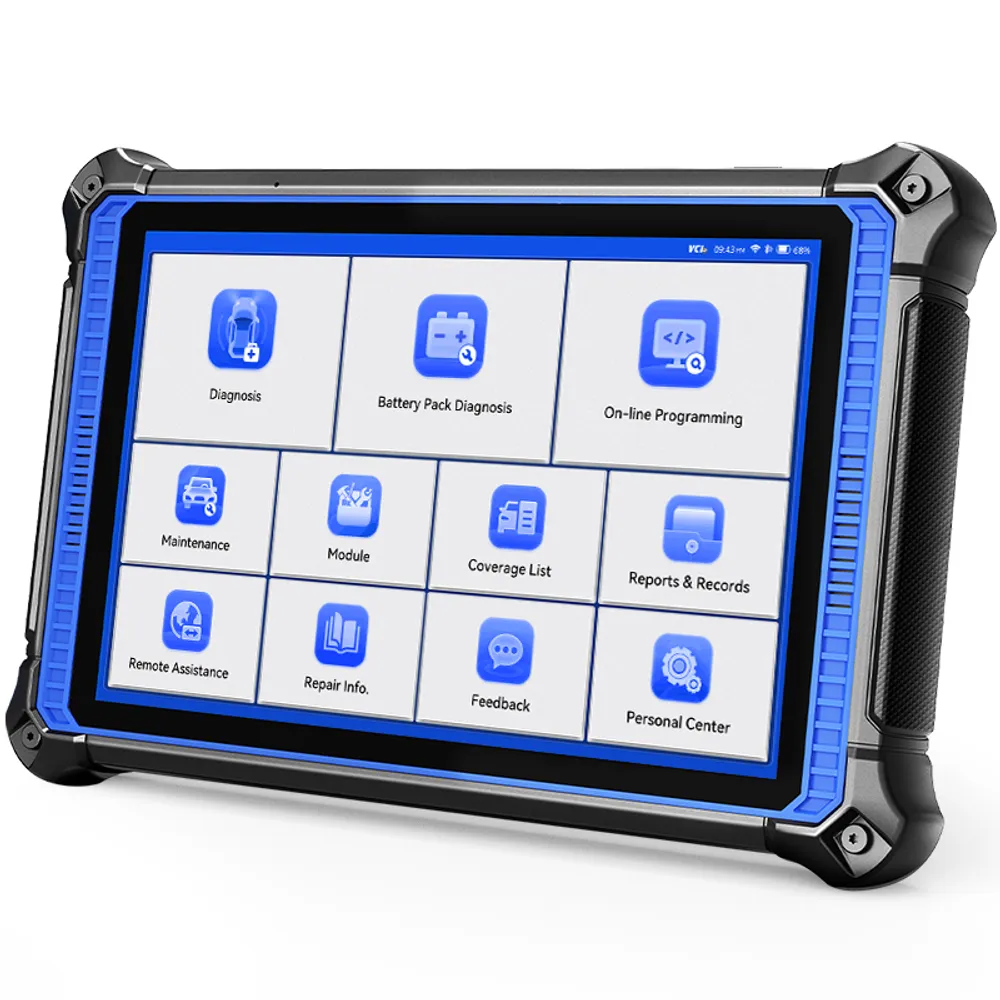
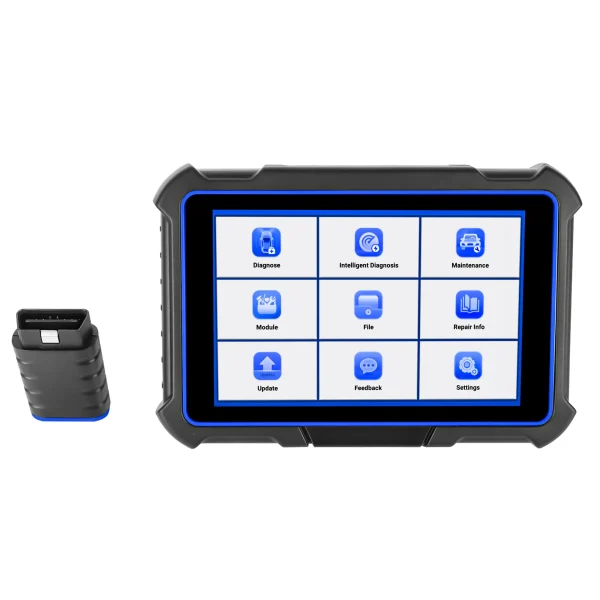
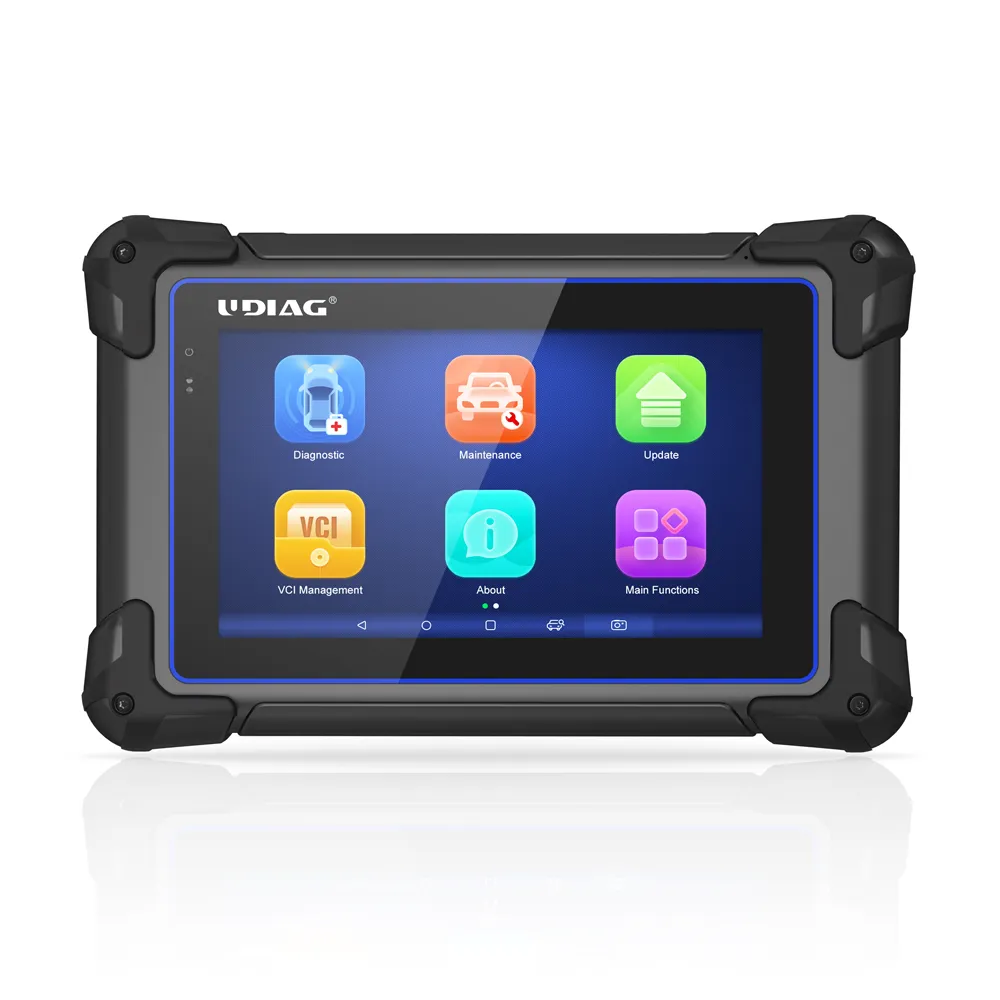
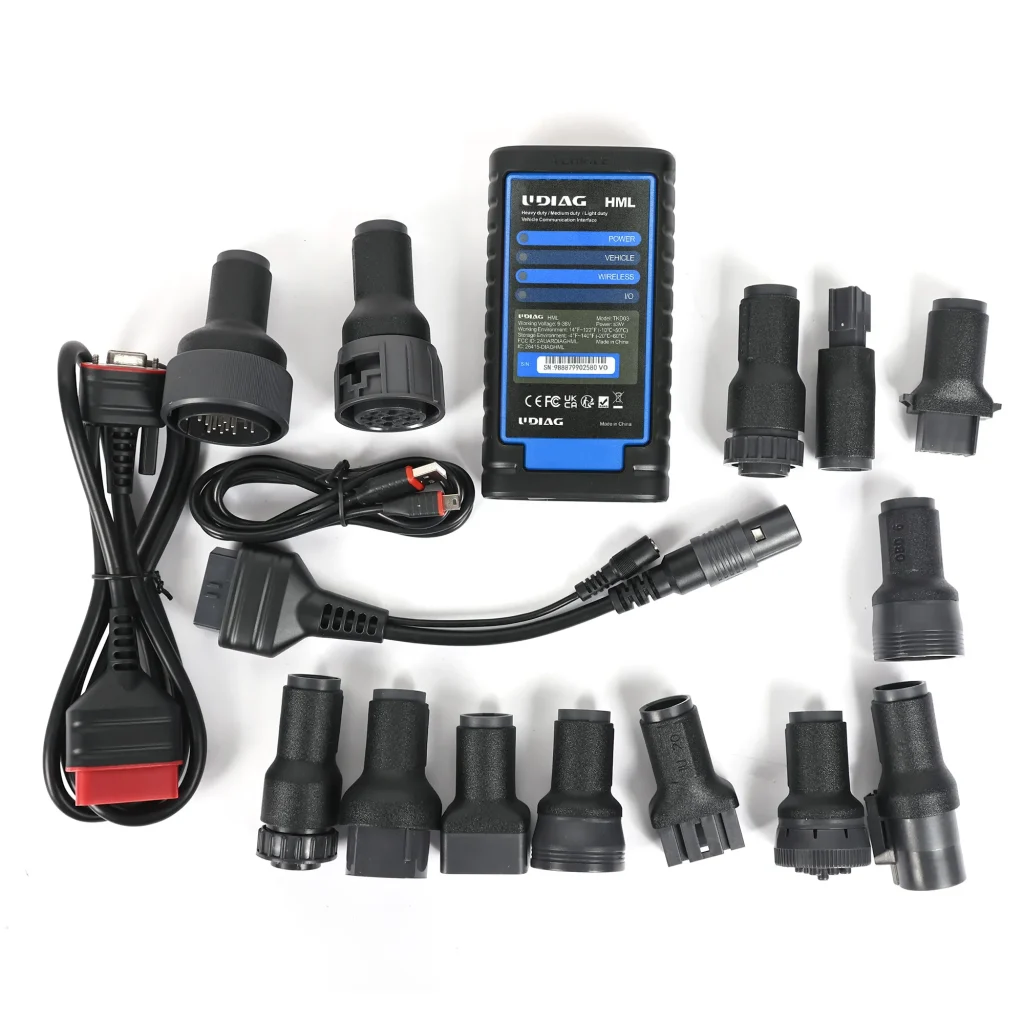
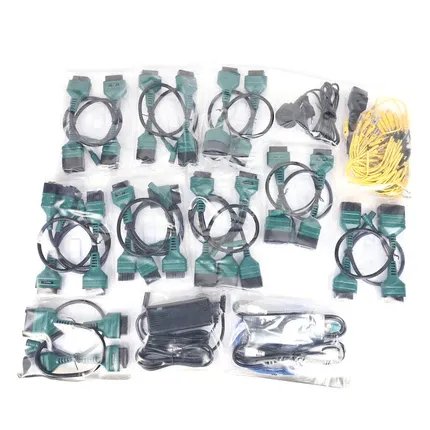
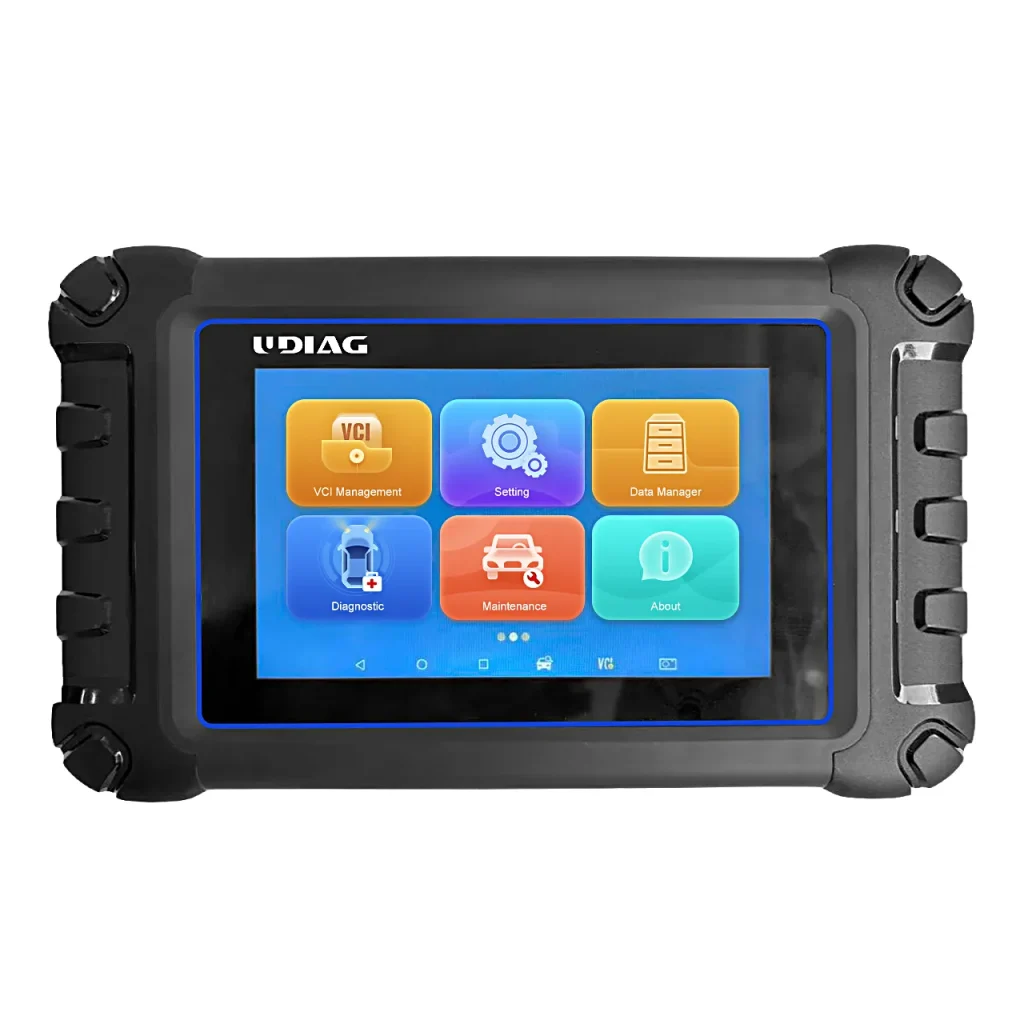
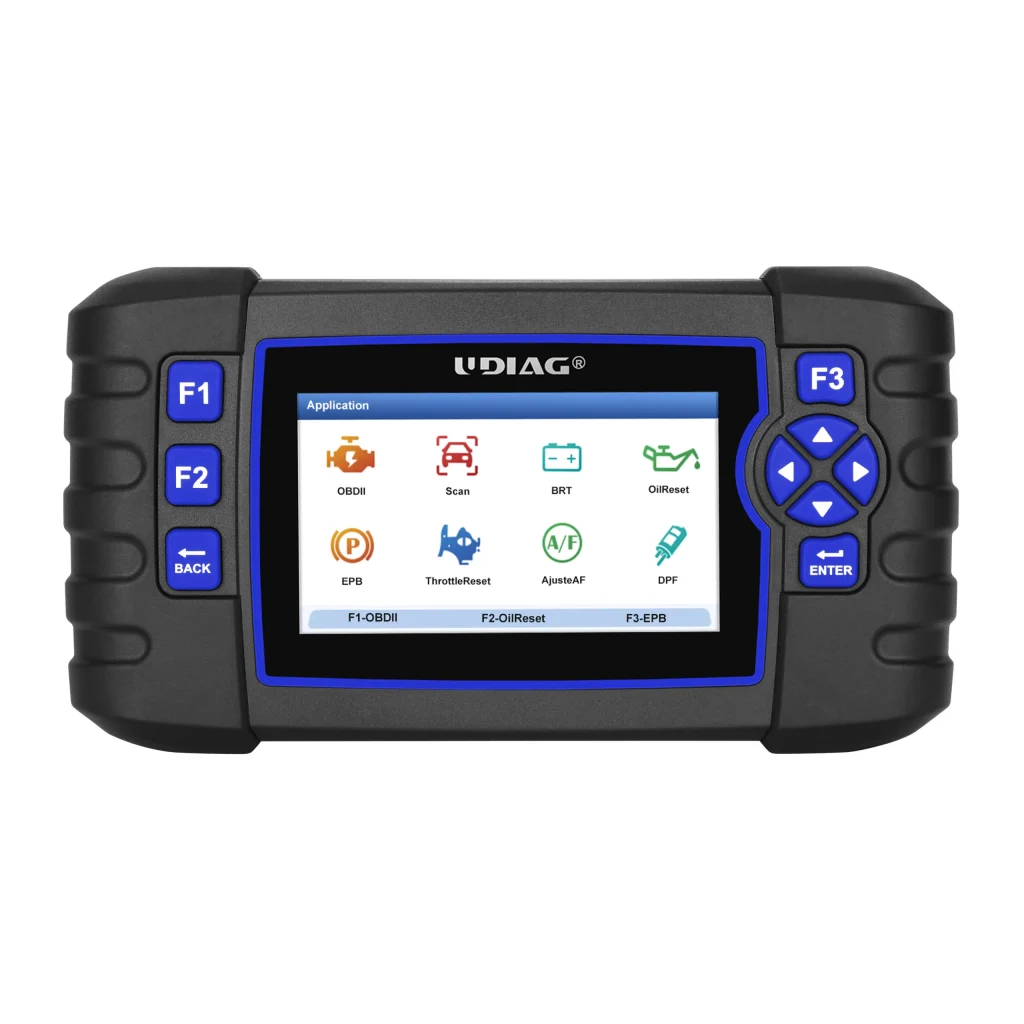
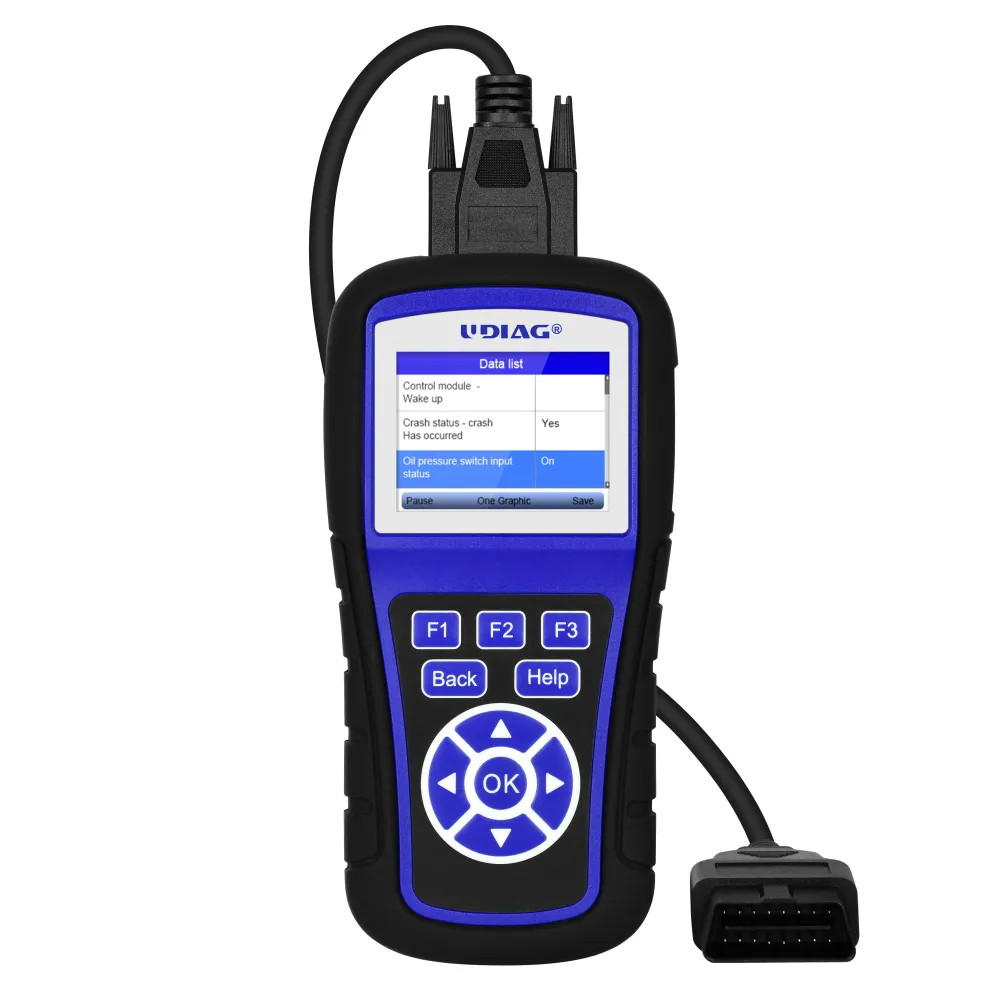
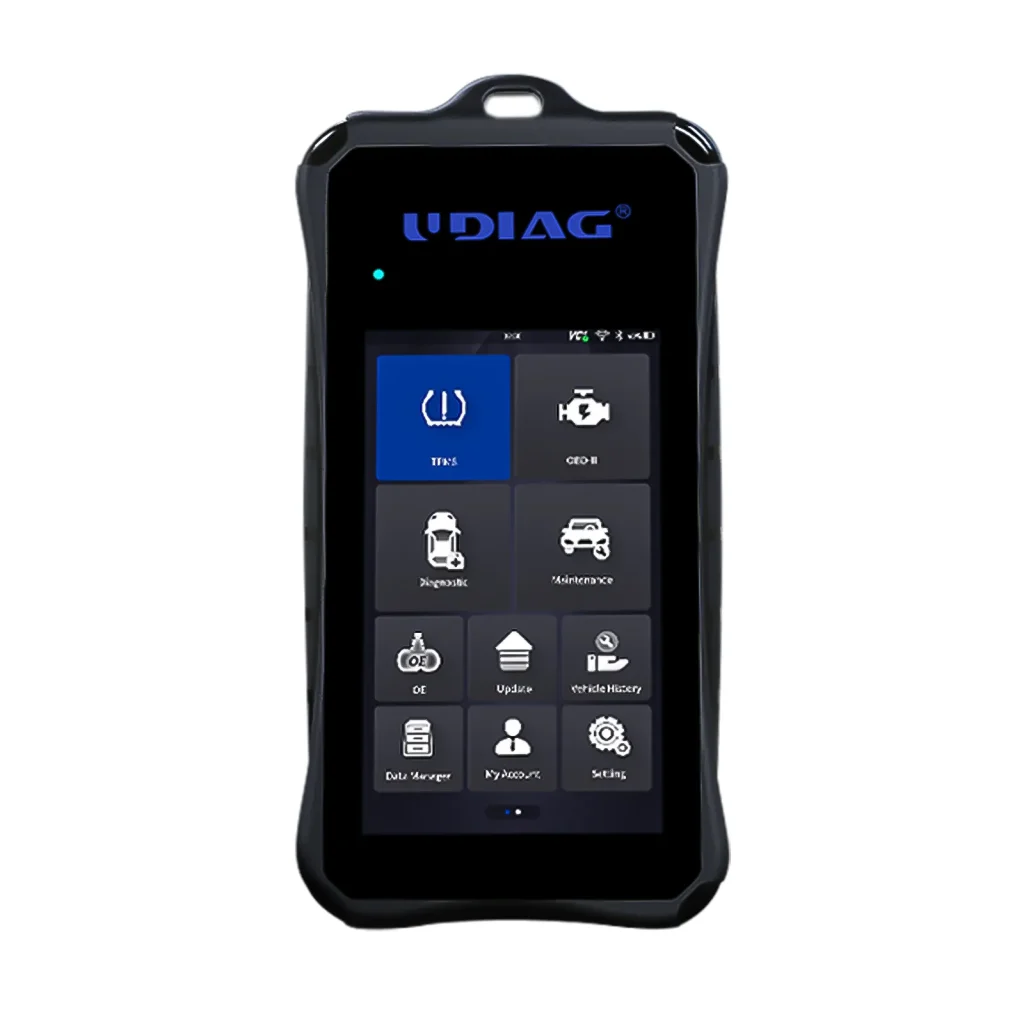
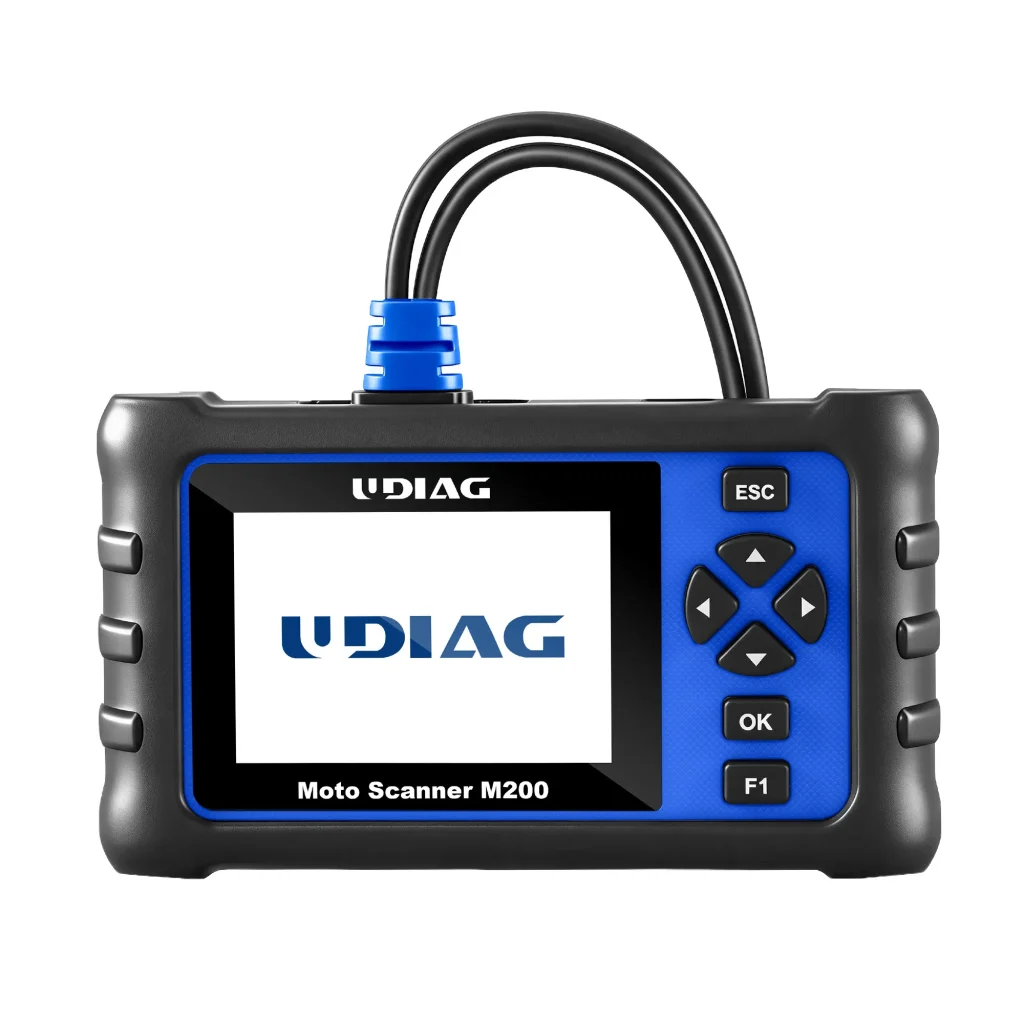
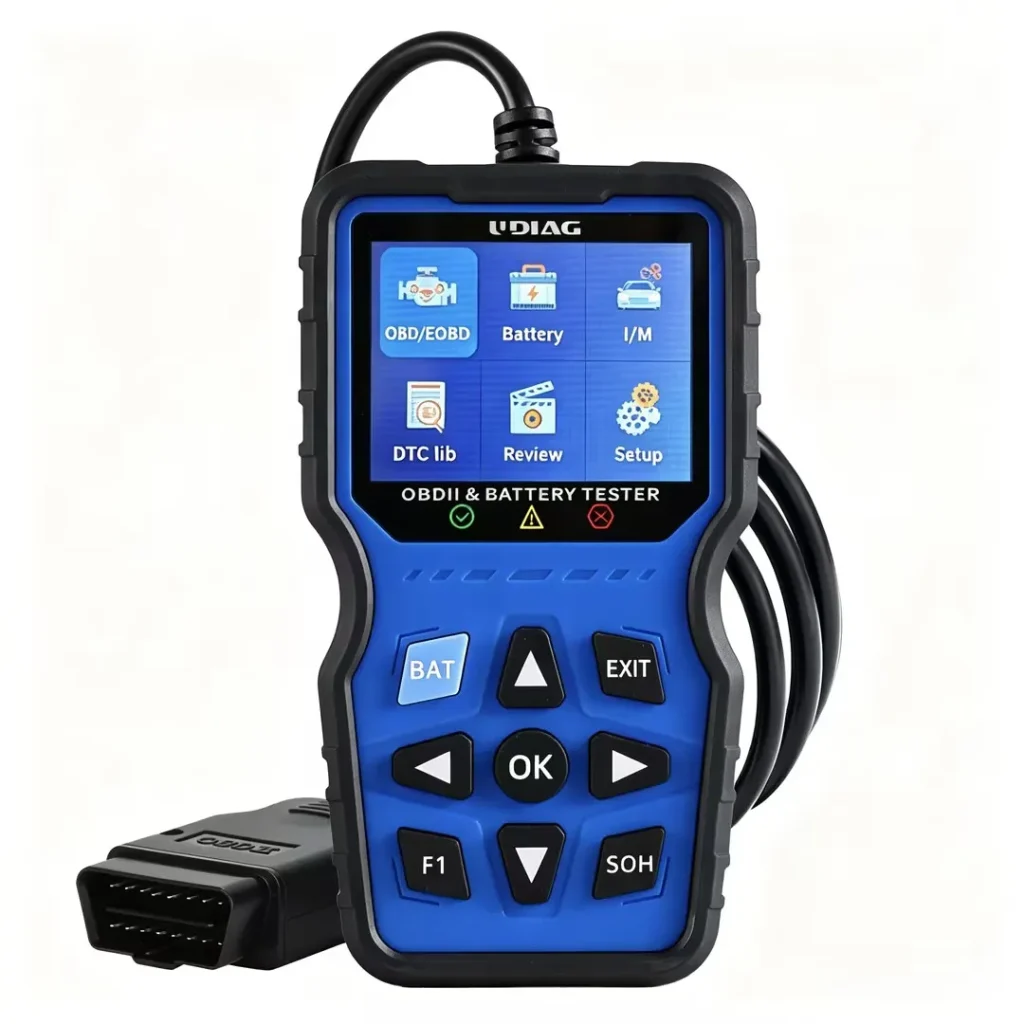
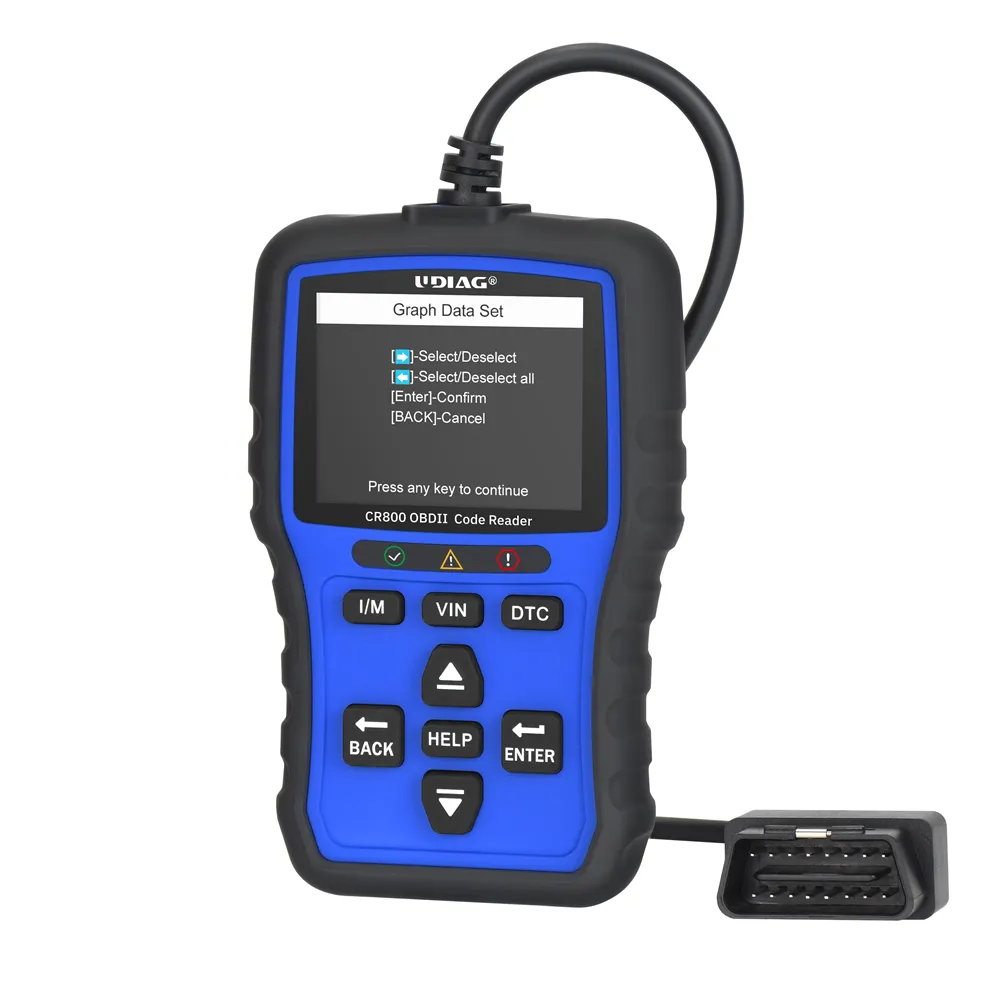
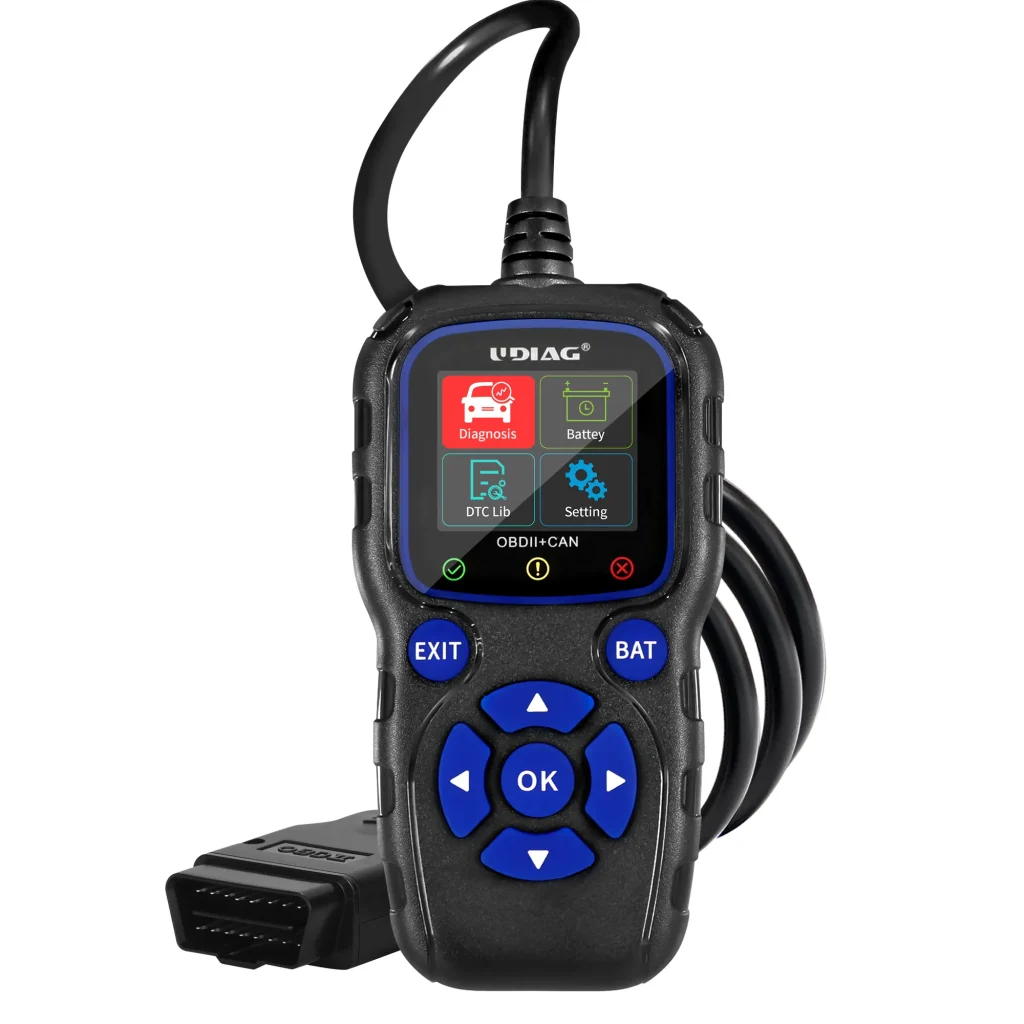
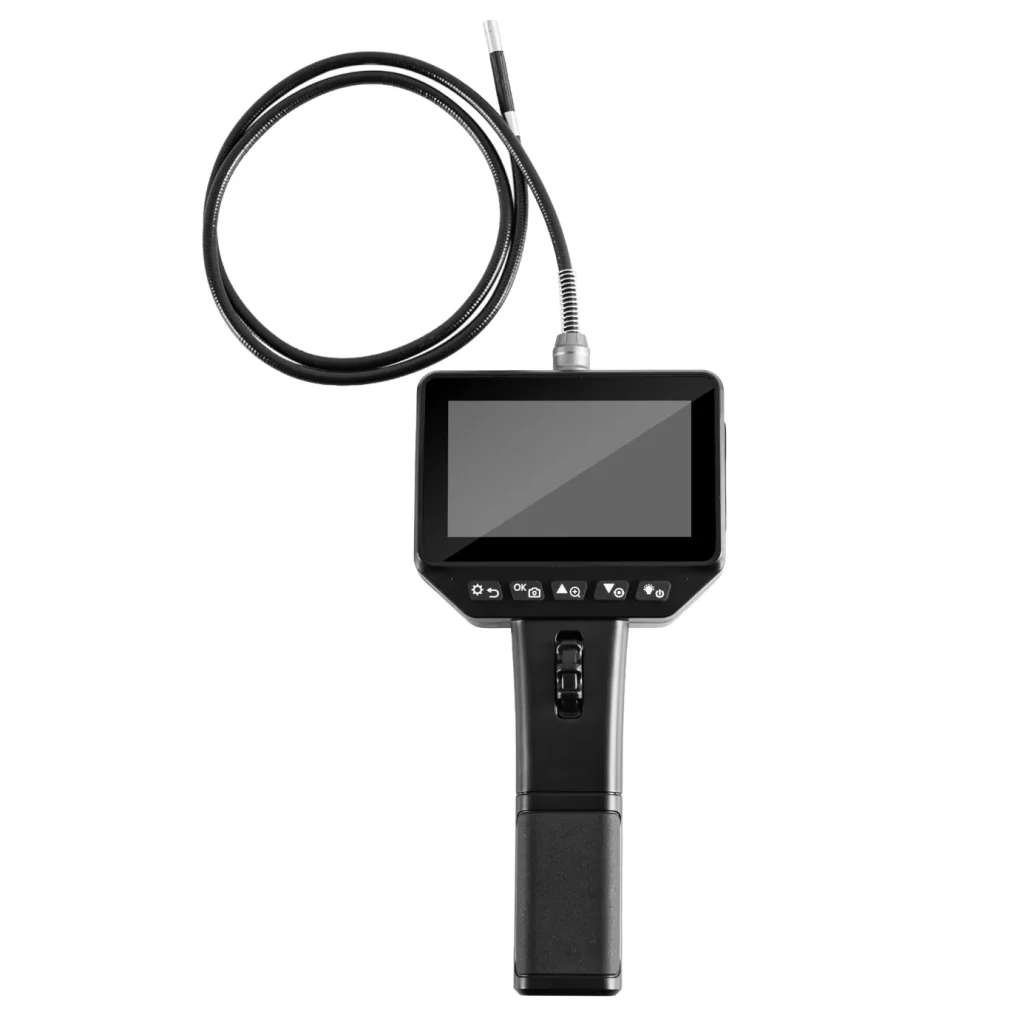
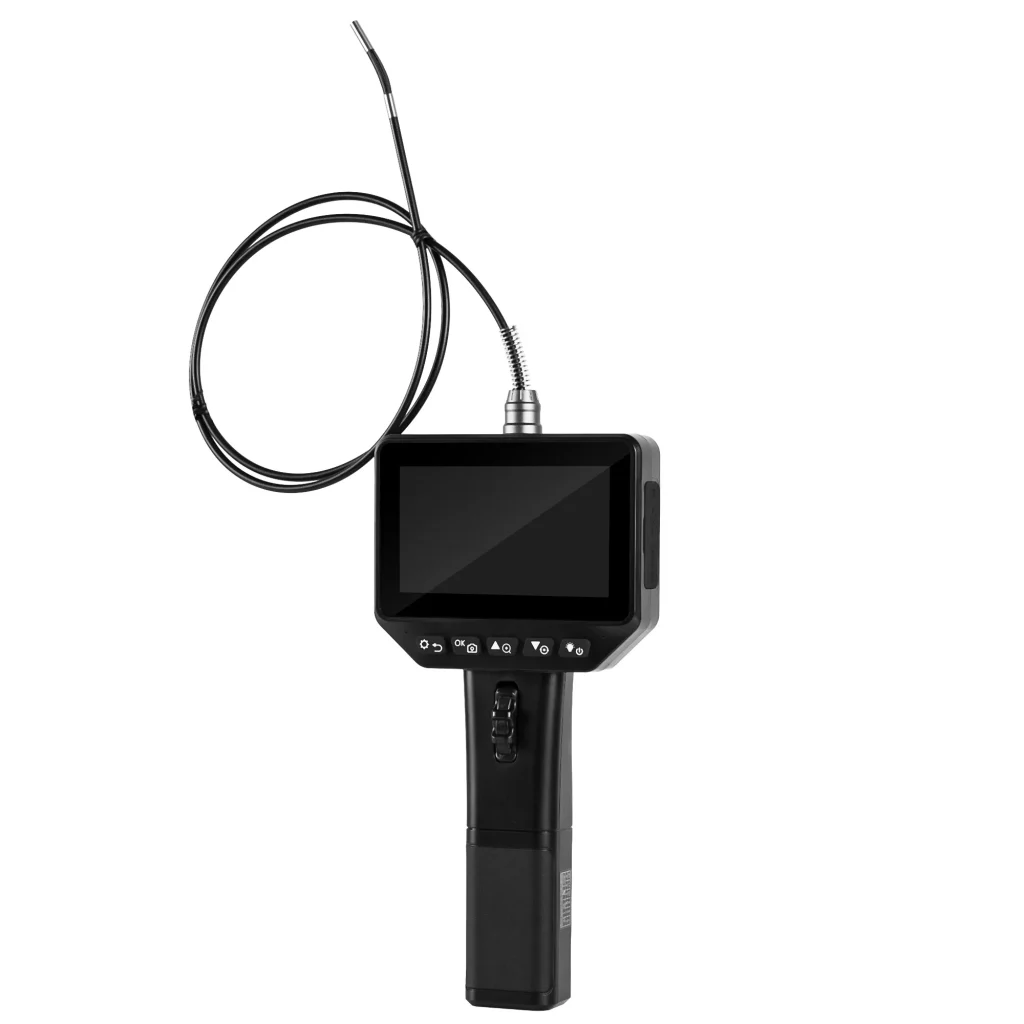
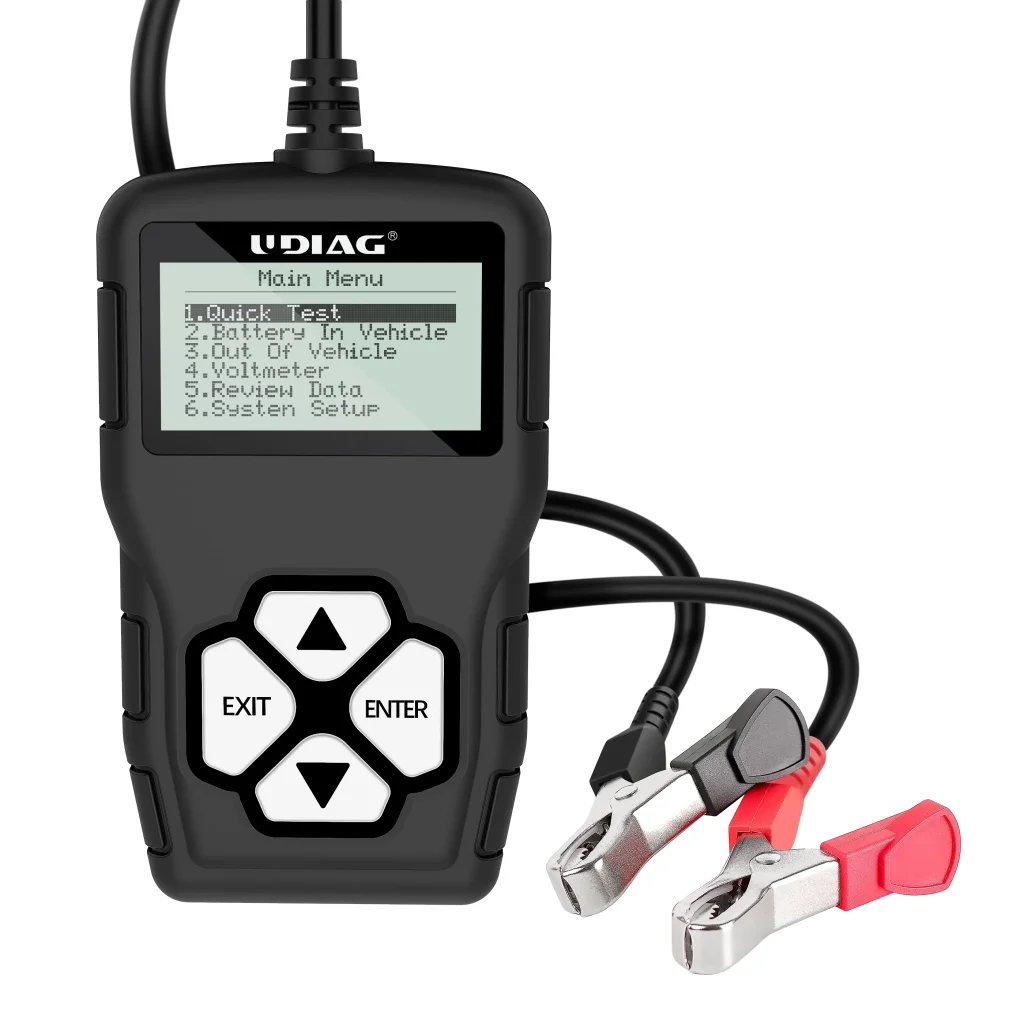
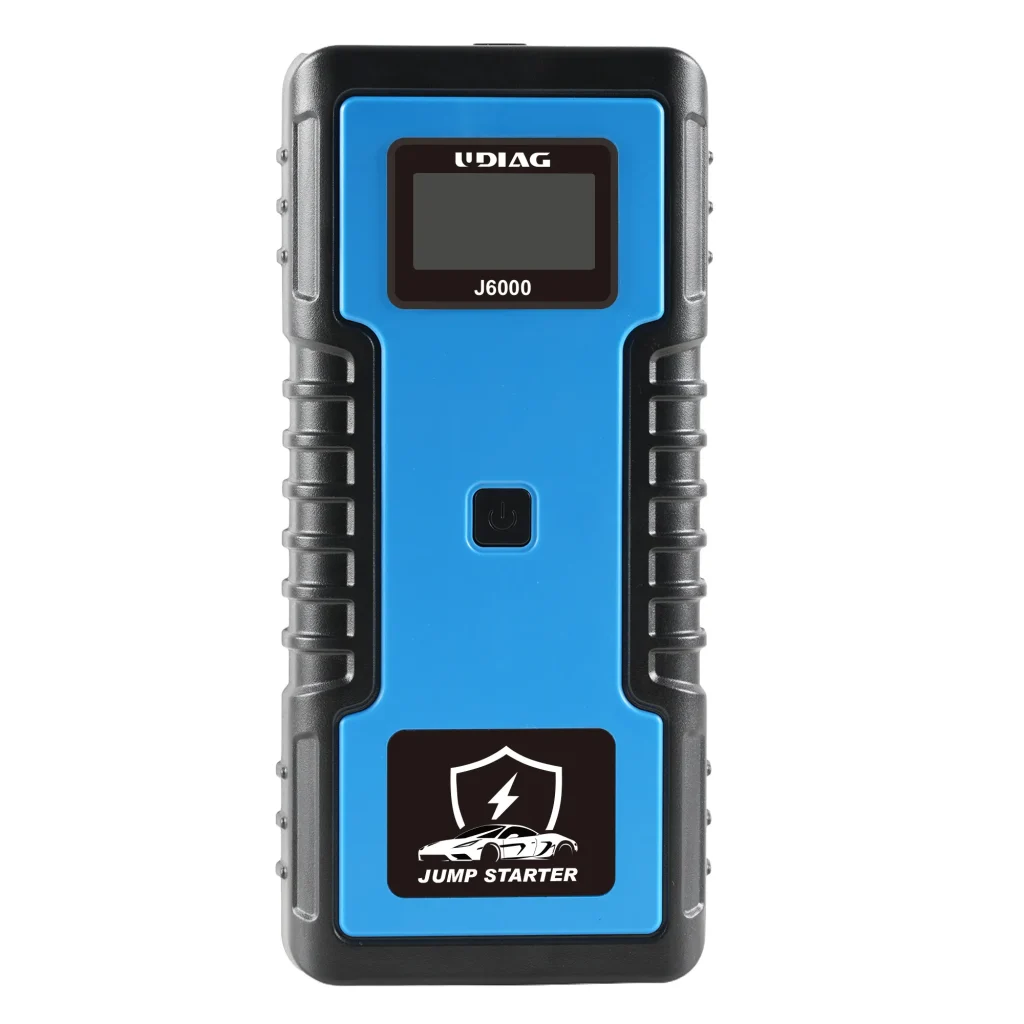
Diagnosing and resolving the P0122 trouble code using UDIAG car diagnostic tools can be an efficient and effective approach. Here are some steps to help you diagnose and fix the issue using UDIAG car diagnostic tools:
- Connect the UDIAG car diagnostic tool: Start by connecting the UDIAG diagnostic tool to the OBD-II port of your vehicle. The OBD-II port is typically located under the dashboard, near the steering column. Follow the instructions provided with the UDIAG tool to establish a connection.
- Retrieve trouble codes: Once the UDIAG tool is connected and powered on, navigate to the diagnostic menu and select the option to retrieve trouble codes. This will allow you to access the specific trouble codes stored in the vehicle’s ECM/PCM. Retrieve and note down the P0122 trouble code.
- Interpret the trouble code: With the UDIAG tool, you can access code definitions and descriptions for the P0122 trouble code. This information will provide insights into the potential cause of the issue.
- Check live data: UDIAG diagnostic tools often offer the capability to view live data from various sensors and modules in the vehicle. Look for data related to the throttle position sensor (TPS) and observe the voltage readings as you operate the throttle. Compare the readings to the manufacturer’s specifications to identify any abnormalities or inconsistencies.
- Inspect TPS wiring and connectors: Using the UDIAG tool, clear the trouble codes temporarily. Then, inspect the wiring and connectors of the TPS circuit. Look for signs of damage, loose connections, or corrosion. If any issues are detected, repair or replace the damaged components as necessary.
- Test TPS functionality: With the UDIAG tool, you may have the option to perform tests on the TPS functionality. Follow the tool’s instructions to initiate the TPS test. The UDIAG tool will guide you through the steps and provide feedback on the TPS performance. If the TPS fails the test, consider replacing it with a new one.
- Verify repairs and clear codes: After addressing any identified issues with the TPS or its circuit, use the UDIAG tool to clear the trouble codes from the ECM/PCM. This will reset the system and allow you to verify if the repairs were successful. Perform a test drive and monitor the vehicle’s performance to ensure that the P0122 code does not reappear.
It’s important to note that while UDIAG car diagnostic tools can be helpful in diagnosing the P0122 code, some issues may require advanced diagnostics or the expertise of a professional mechanic. If the troubleshooting steps mentioned above do not resolve the issue, or if you are unsure about performing the repairs yourself, it is recommended to seek professional assistance to accurately diagnose and fix the problem.
Always refer to the specific instructions and guidelines provided with your UDIAG car diagnostic tool for the most accurate and reliable diagnostic and repair procedures.
Conclusion
The P0122 OBD-II trouble code can be a source of frustration for vehicle owners, but understanding its intricacies is the first step toward a resolution. By recognizing the symptoms, identifying potential causes, and employing proper diagnostic procedures, it is possible to rectify the underlying issue effectively. However, it is important to acknowledge that professional assistance may be required in some cases, particularly when dealing with complex electrical systems. Addressing the P0122 code promptly ensures the optimal performance and longevity of a vehicle’s throttle system, allowing for a smooth and safe driving experience.
In conclusion, by familiarizing ourselves with the P0122 OBD-II trouble code, its symptoms, causes, and diagnostic procedures, we empower ourselves to address the issue proactively. With the right knowledge and approach, the P0122 code becomes an opportunity to ensure the continued reliability and performance of our vehicles.