

-1024x1024.webp)

Introduction
In the world of modern automobiles, technology plays a pivotal role in ensuring smooth and efficient operation. One such technological marvel is the On-Board Diagnostics (OBD) system. However, these systems aren’t without their quirks. OBD error codes, when they appear, can perplex car owners. In this article, we will delve into the fascinating world of OBD error codes, exploring what they mean and what happens when you erase them.

Understanding OBD and Error Codes
I. What is the OBD System?
The OBD system is like a car’s nervous system, constantly monitoring various parameters and sensors to ensure the engine and other critical components are functioning optimally.
II. What are OBD Error Codes?
OBD error codes are numerical representations of issues or malfunctions detected by the OBD system. They provide a standardized way for mechanics and car owners to identify problems within the vehicle.
III. The Significance of OBD Error Codes
OBD error codes serve as early warning signs for potential issues in your vehicle. They can encompass a wide range of problems, from minor sensor malfunctions to more serious engine or transmission issues.
IV. Erasing OBD Error Codes
Why Erase OBD Error Codes?
1. Maintaining Performance: Erasing error codes can help restore your car’s performance to its optimal state. Sometimes, minor issues can trigger error codes, affecting performance even when there’s no significant problem.
2. Passing Emissions Tests: In many regions, passing emissions tests is mandatory for vehicle registration. Erasing error codes can be necessary to ensure your car meets the required emission standards.
3. Troubleshooting: After performing necessary repairs, erasing error codes allows you to verify if the issue has been resolved. If the problem persists, new error codes may appear, helping you pinpoint the exact issue.
V. How to Erase OBD Error Codes
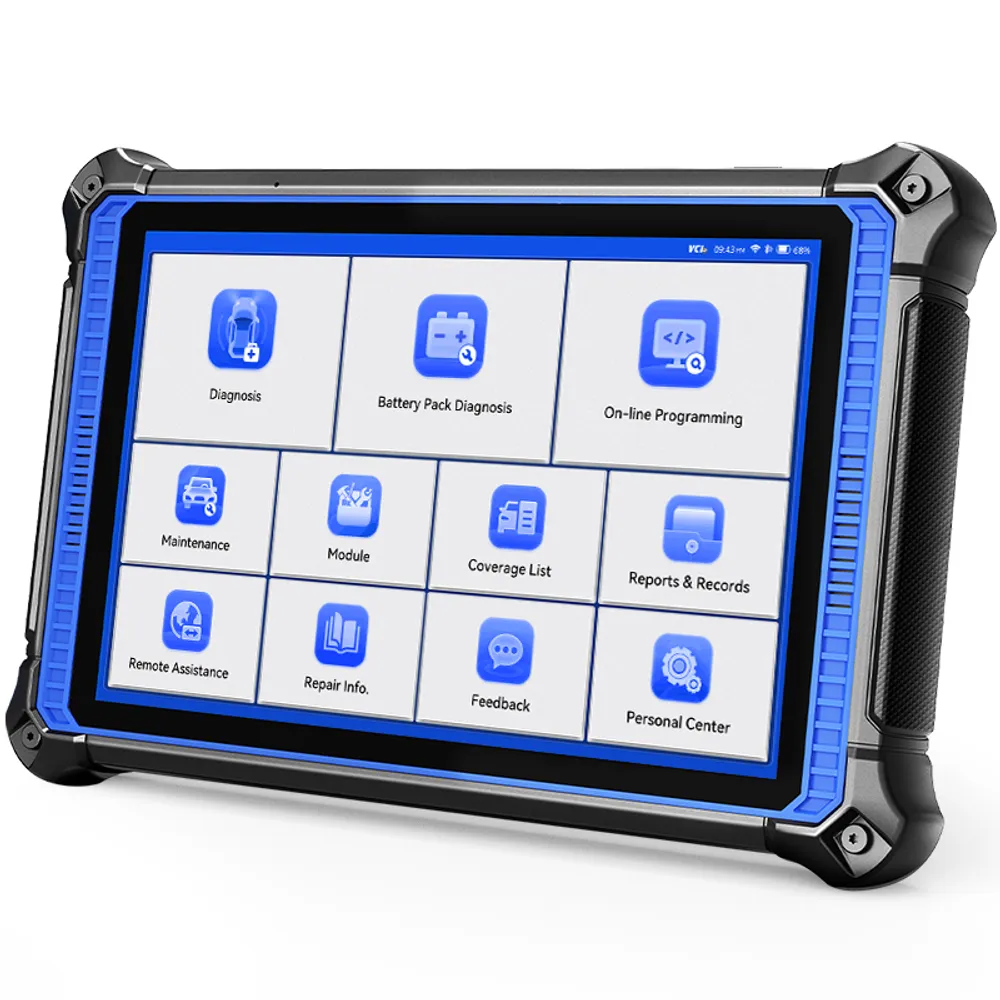
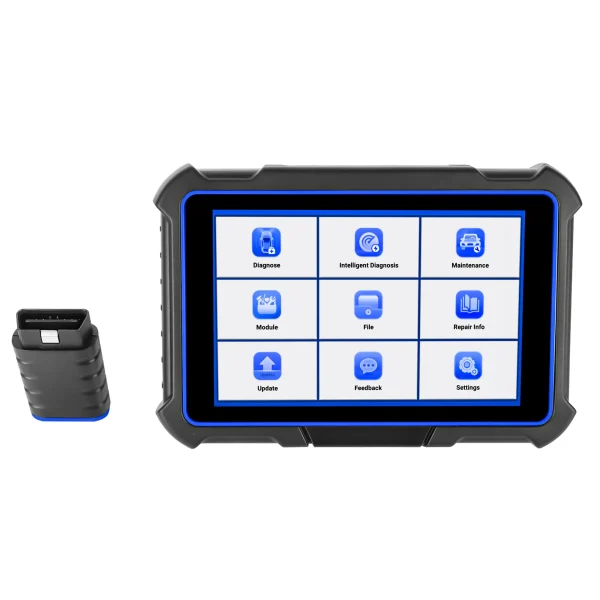
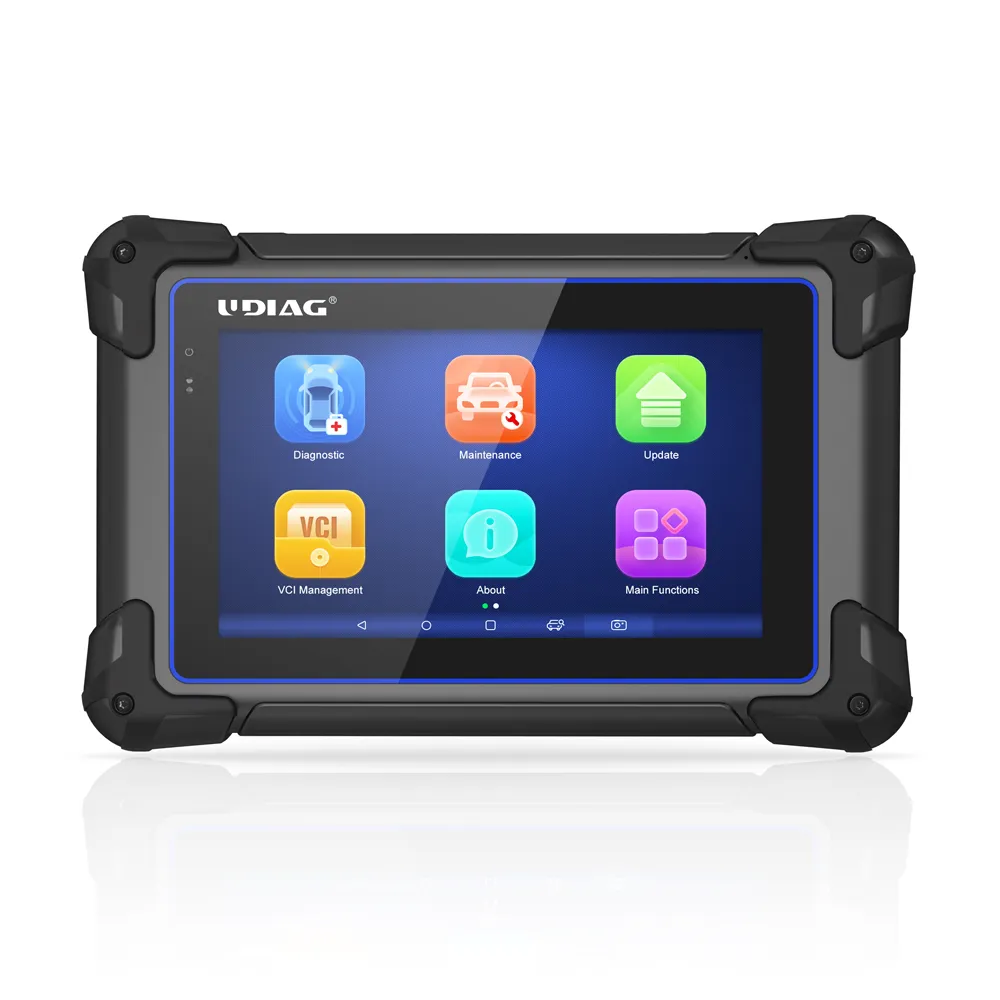
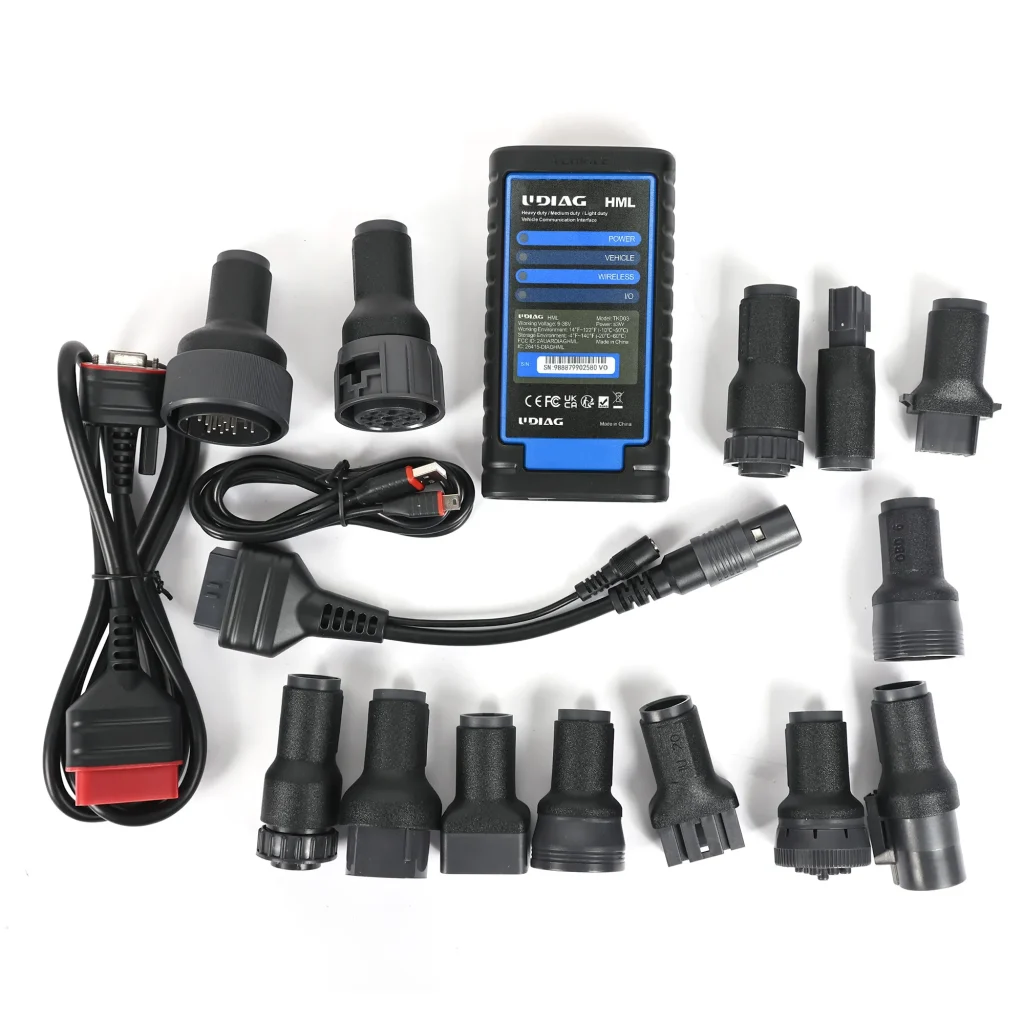
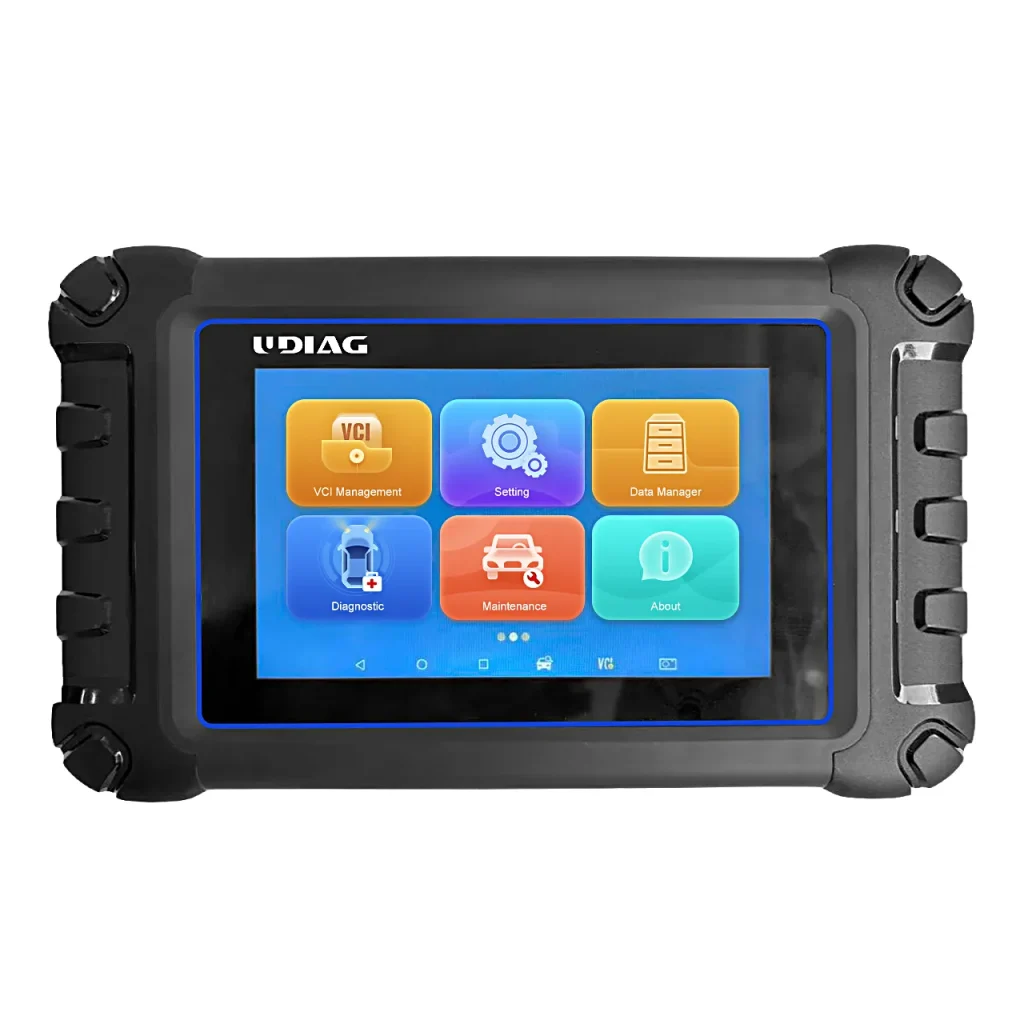
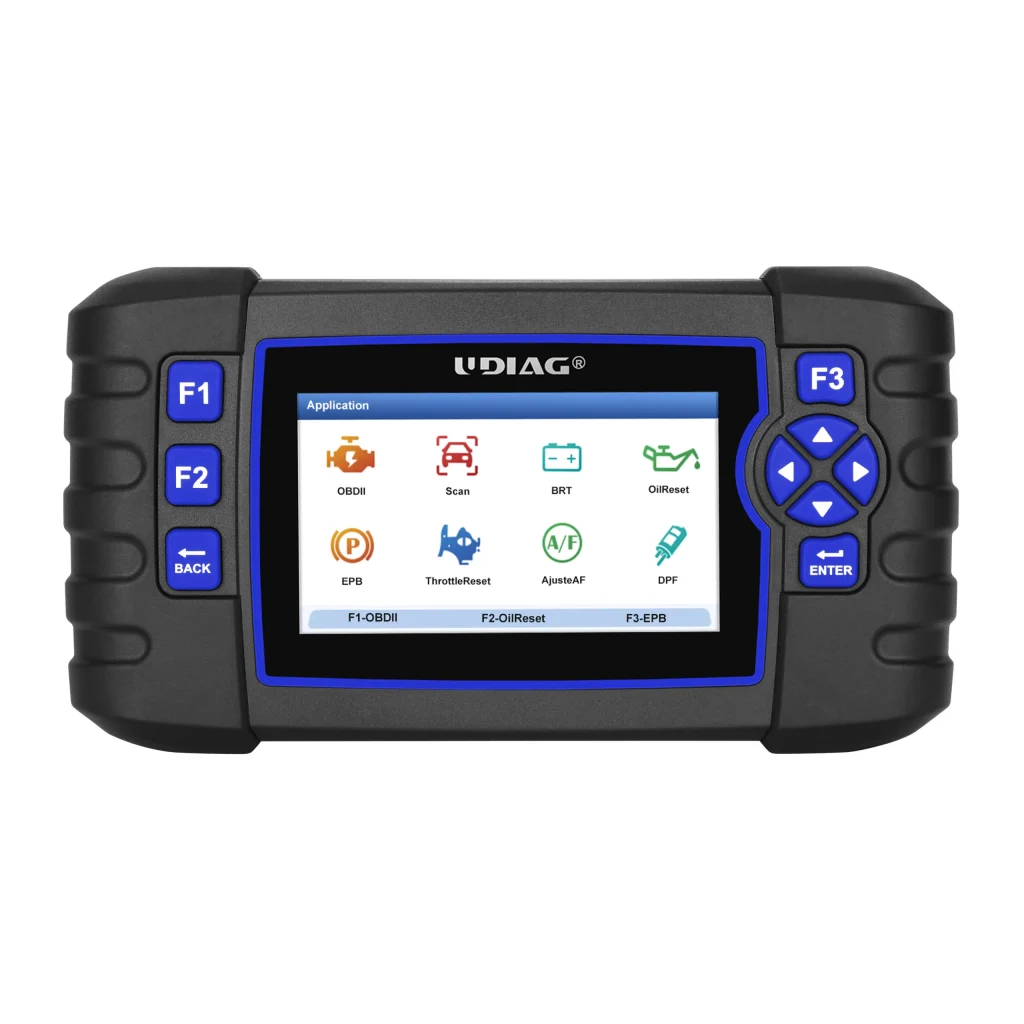
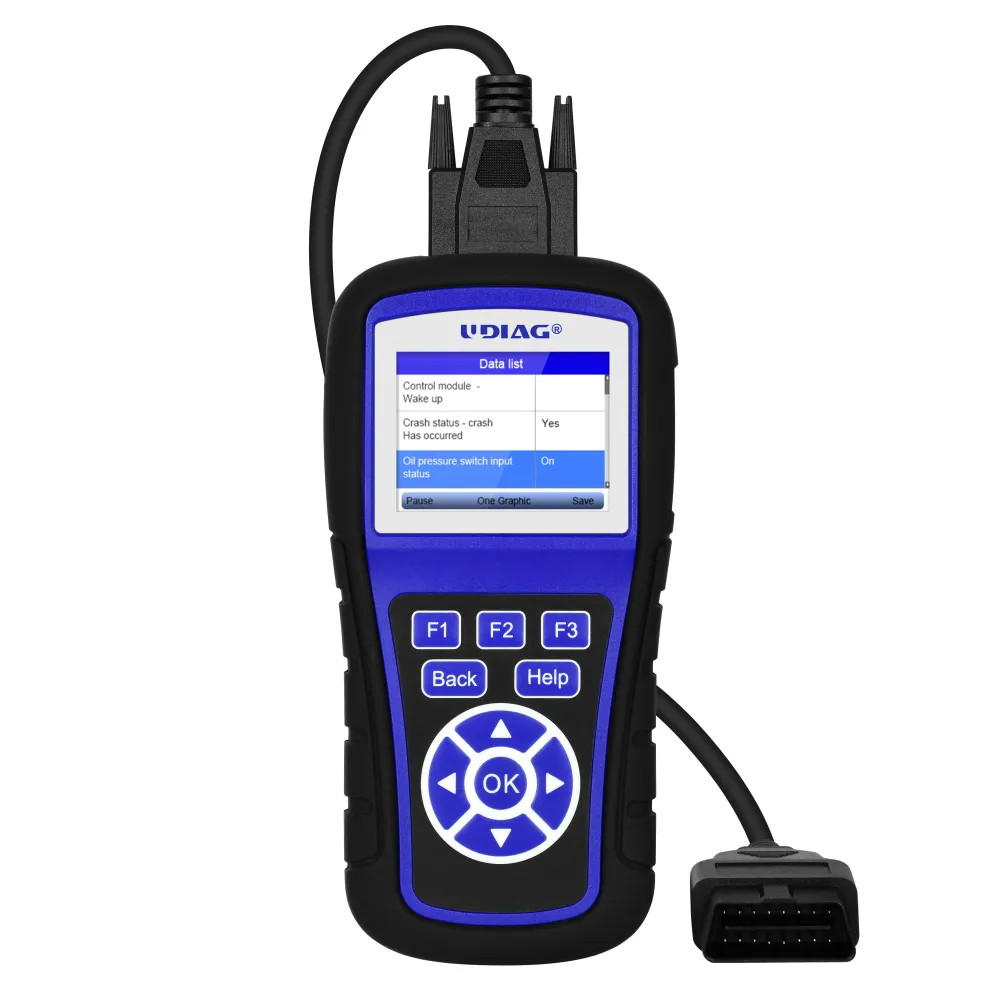
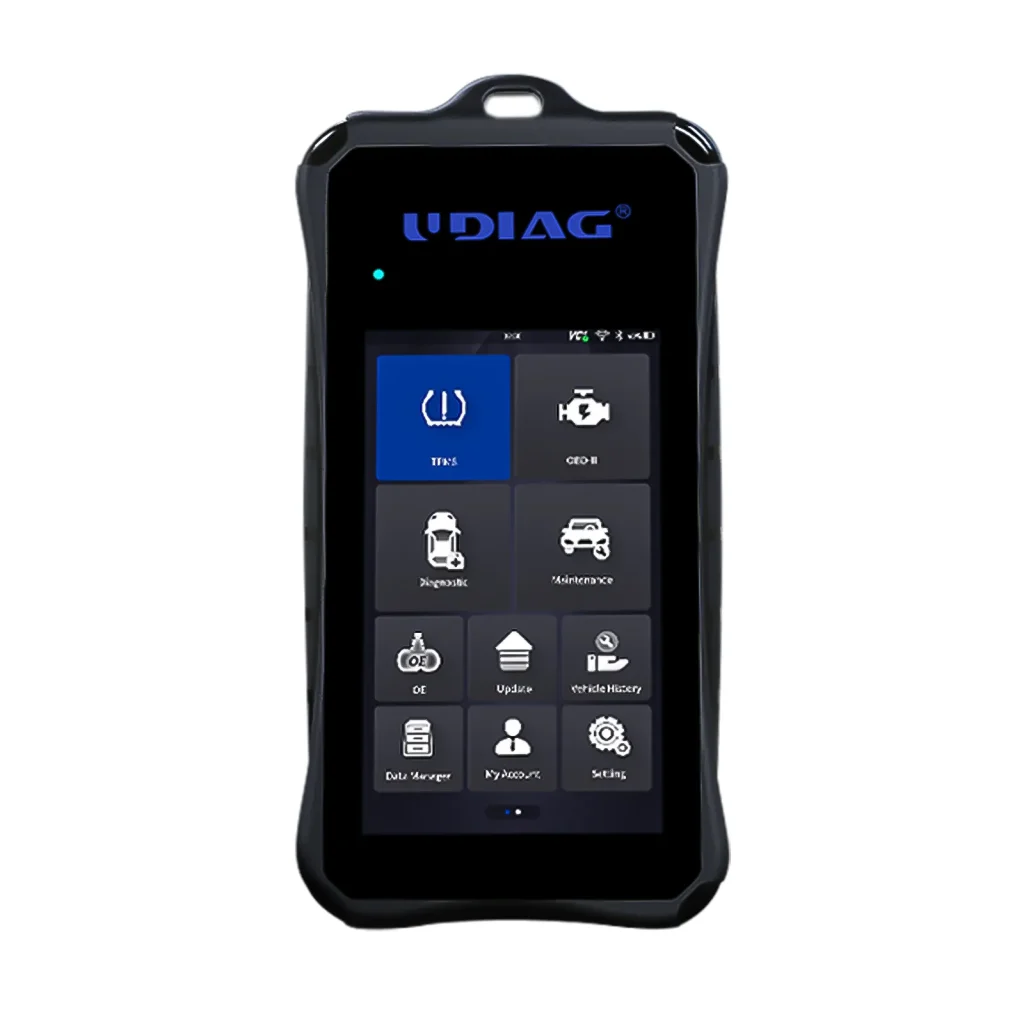
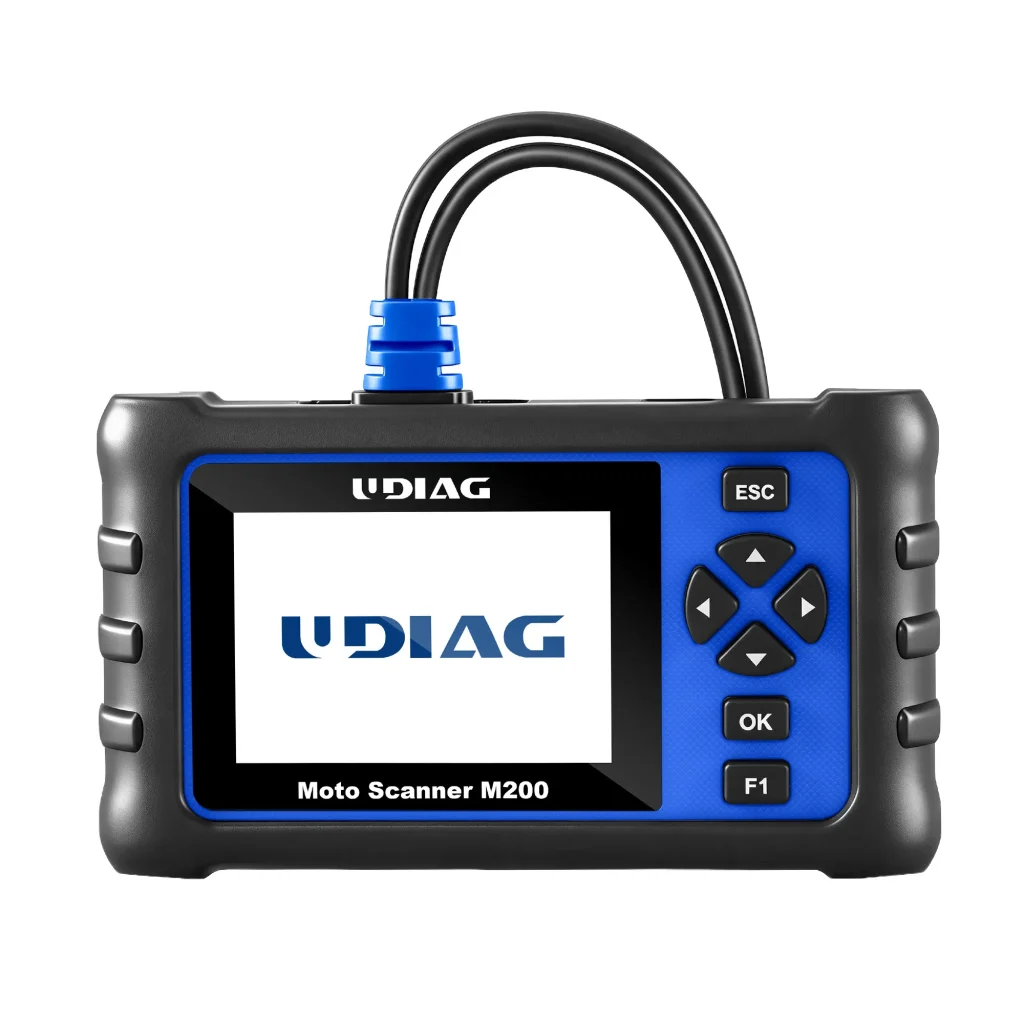
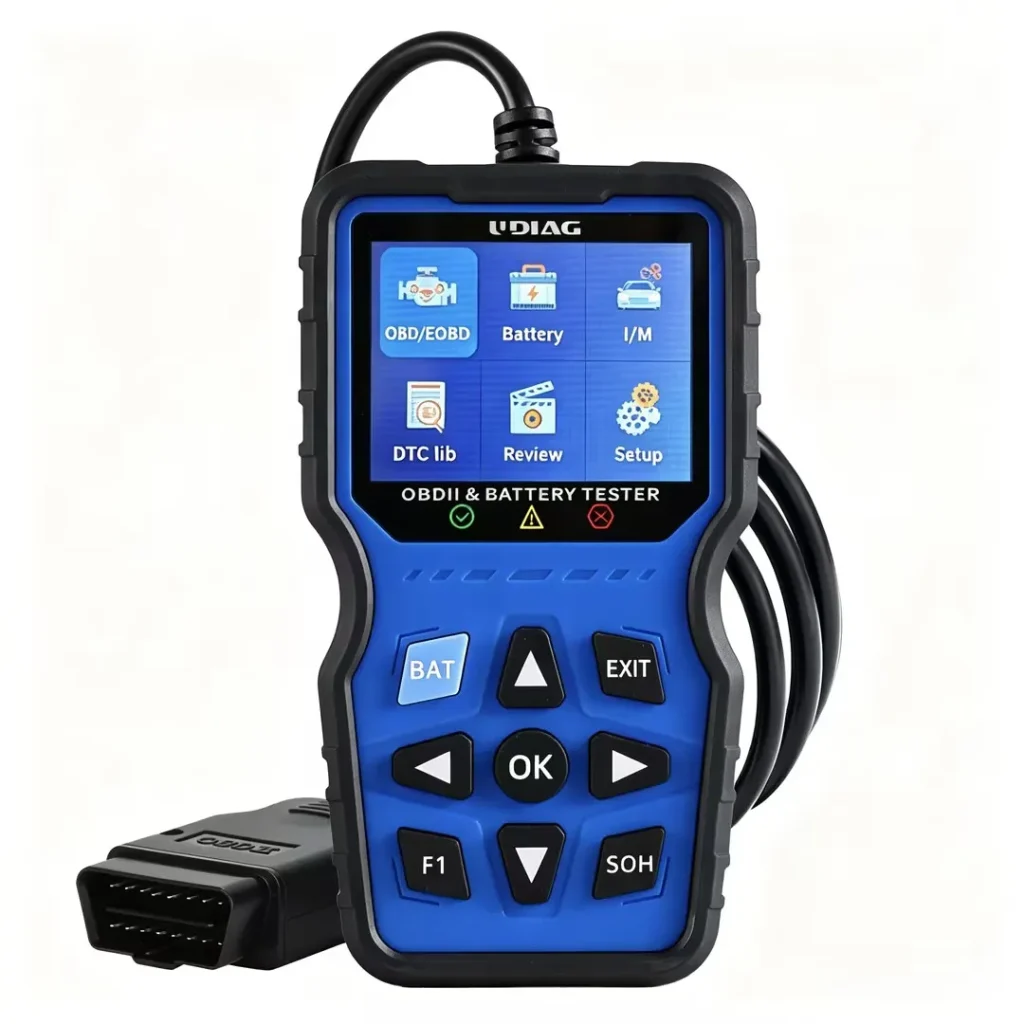
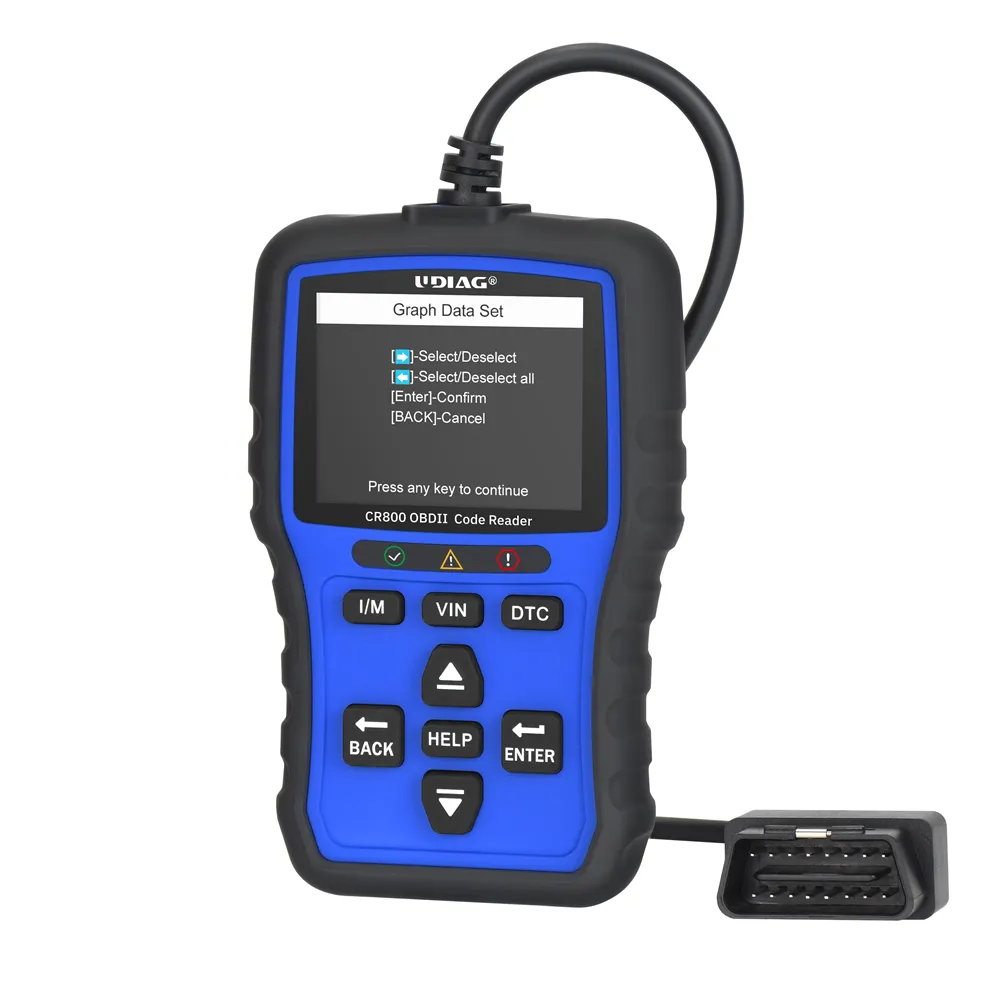
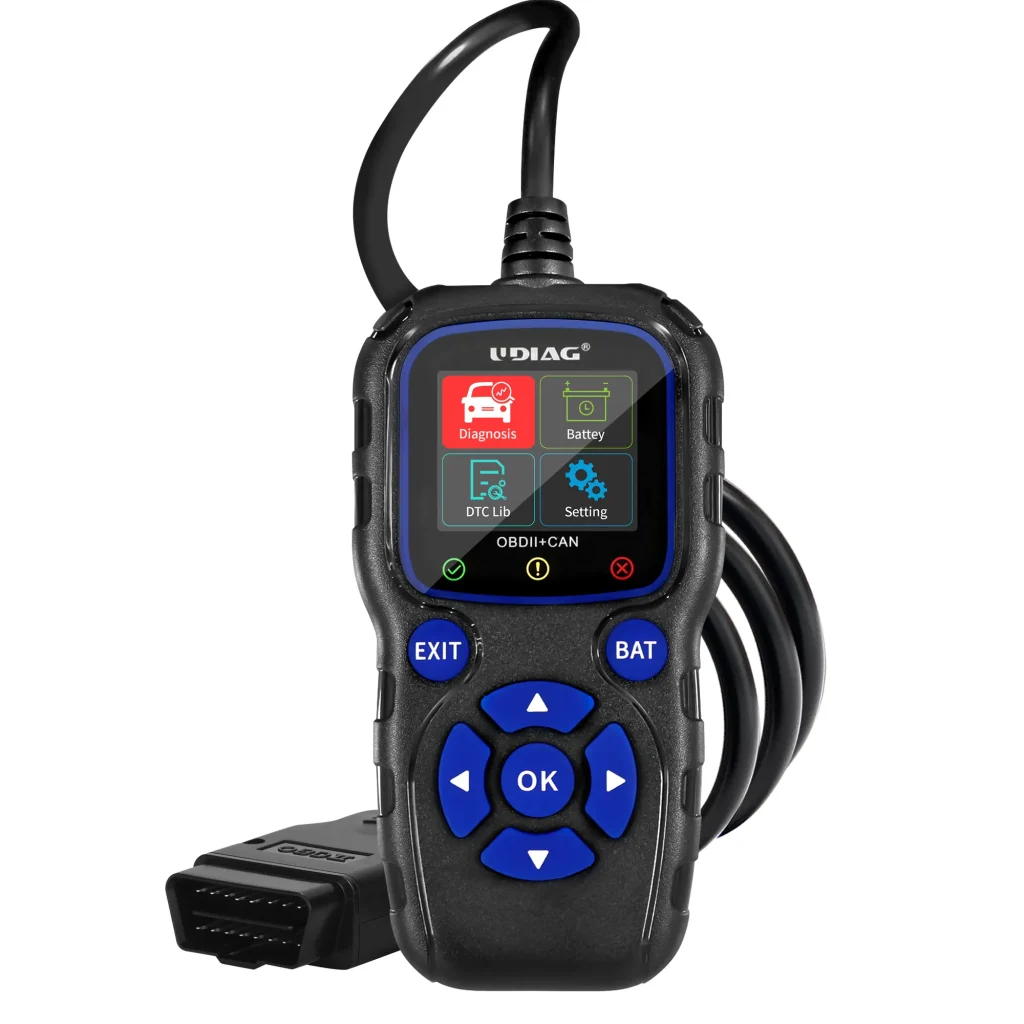
Erasing OBD error codes typically involves using an OBD scanner or diagnostic tool. Here’s a simplified process:
1. Connect the Scanner: Plug the OBD scanner into the OBD port, usually located beneath the dashboard.
2. Access the OBD System: Turn on the ignition without starting the engine. Access the OBD system through the scanner’s interface.
3. Erase Error Codes: Select the option to erase error codes. Confirm the action when prompted.
4. Verify Completion: Ensure that the error codes have been successfully erased. The scanner will display a confirmation message.
VI. The Impact of Erasing OBD Error Codes
Improved Performance
Erasing error codes can lead to improved engine performance, smoother operation, and better fuel efficiency. It essentially resets the system to a clean slate, allowing it to adapt to the current conditions of the vehicle.
VII. Temporary Solution
While erasing error codes may temporarily resolve issues, it’s essential to address the root cause of the problem. Ignoring underlying problems can lead to recurrent error codes and potential damage to your vehicle.
VIII. Compliance with Regulations
In areas with strict emissions regulations, erasing error codes can be crucial for ensuring your vehicle complies with environmental standards, allowing you to legally operate your car.
Conclusion
Erasing OBD error codes is a useful tool for maintaining your vehicle’s performance, passing emissions tests, and troubleshooting issues. However, it’s vital to remember that erasing error codes is not a permanent solution and should always be followed by necessary repairs to address the underlying problems.
Access Now: https://www.udiagtech.com
Frequently Asked Questions
1. Can I erase OBD error codes without a diagnostic tool?
No, you typically need an OBD scanner or diagnostic tool to erase error codes.
2. Do erased error codes come back?
If the underlying issue is not resolved, the error codes may reappear after some time.
3. Are OBD error codes the same for all car makes and models?
No, OBD error codes can vary between different car makes and models, although some are standardized.
4. Is it safe to drive with OBD error codes present?
It depends on the nature of the error codes. Minor issues may not pose an immediate danger, but it’s always best to address them promptly.
5. What should I do if erasing error codes doesn’t solve the problem?
If the error codes persist, it’s advisable to consult a qualified mechanic to diagnose and repair the issue.