
-1024x1024.webp)
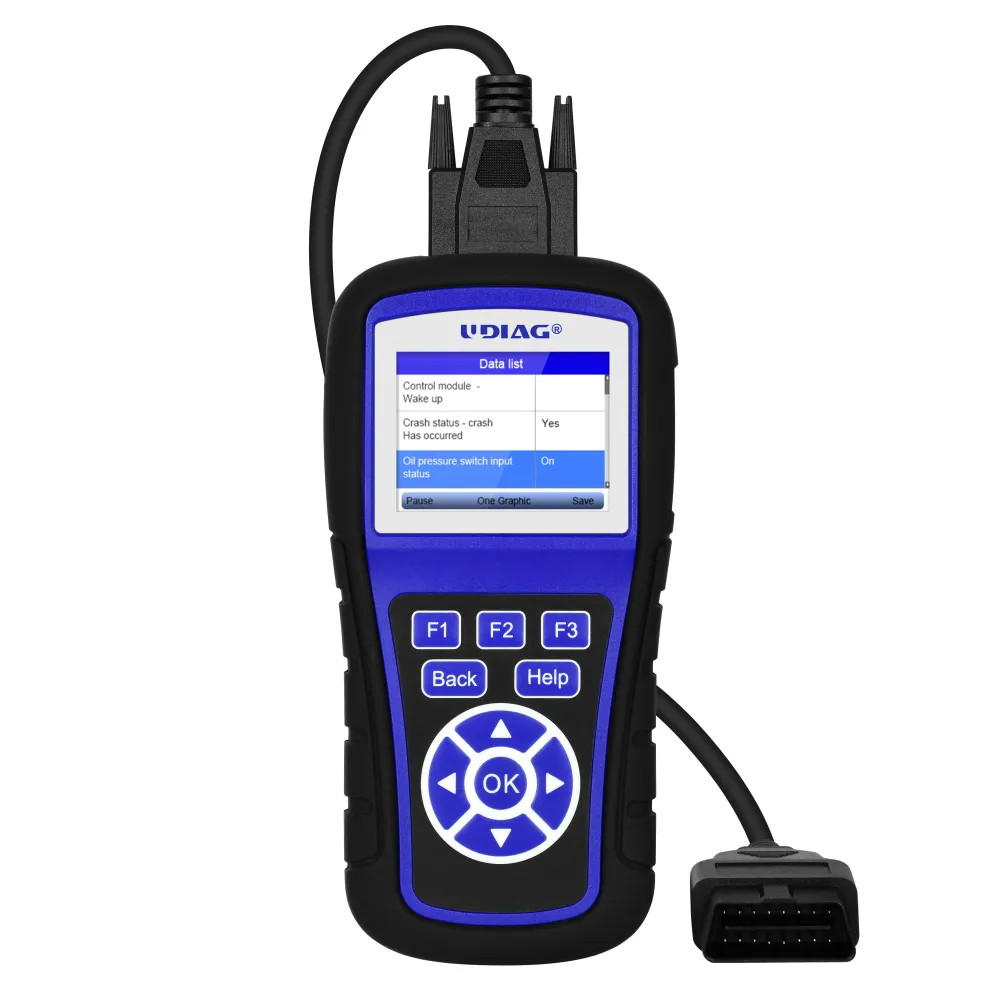
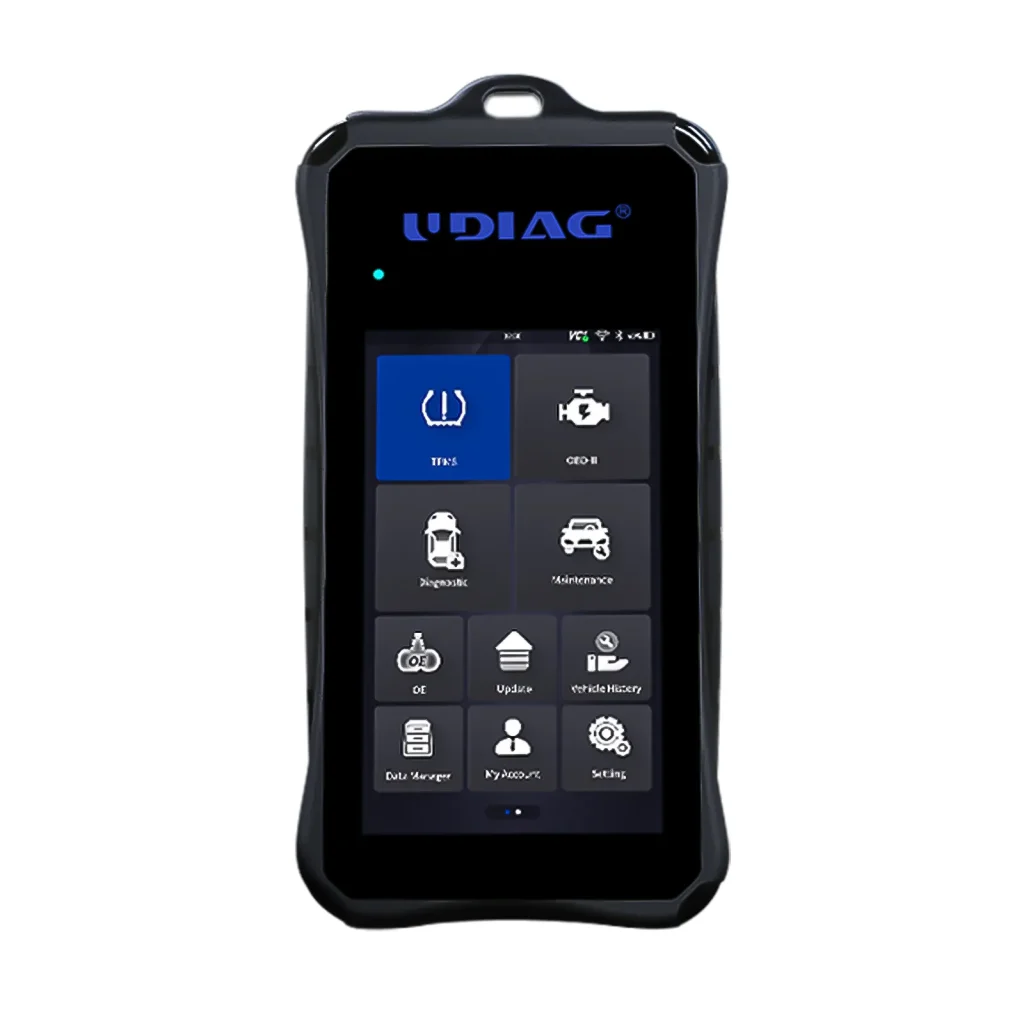
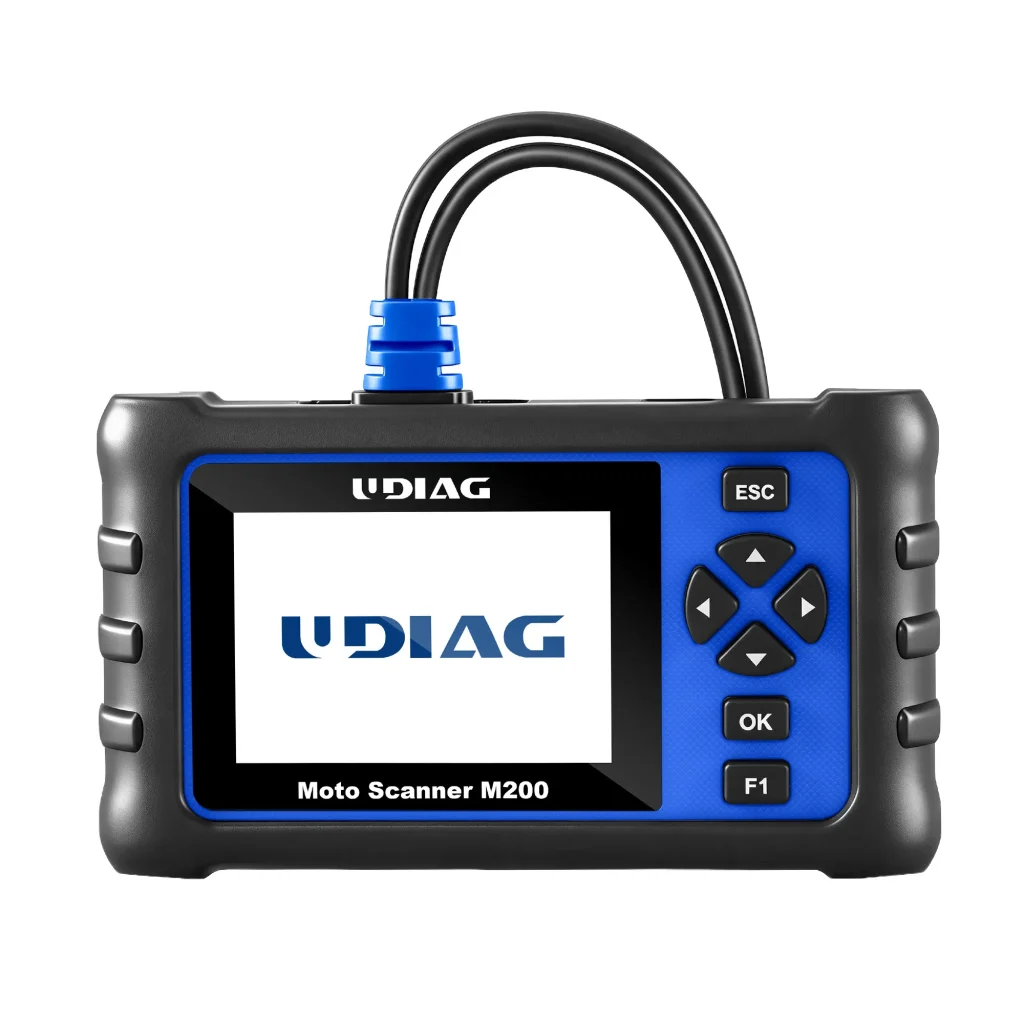
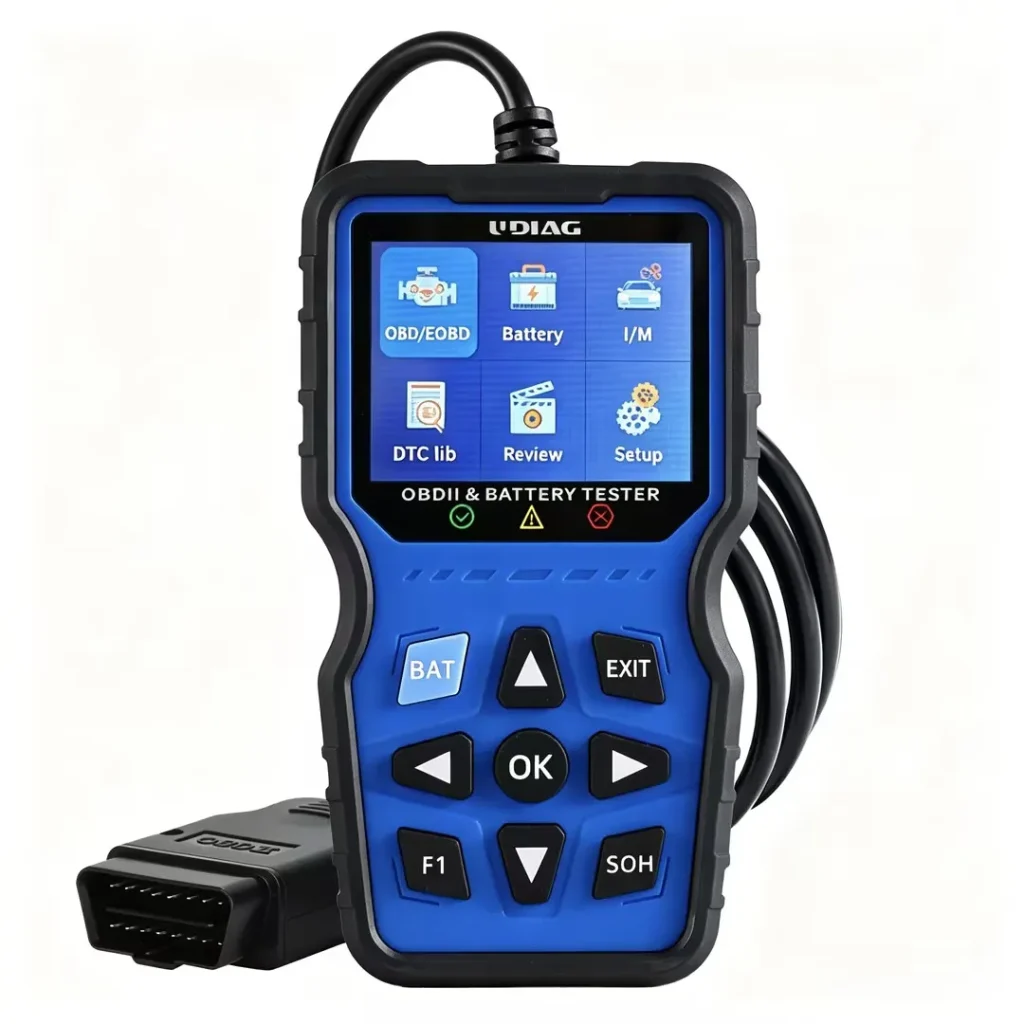
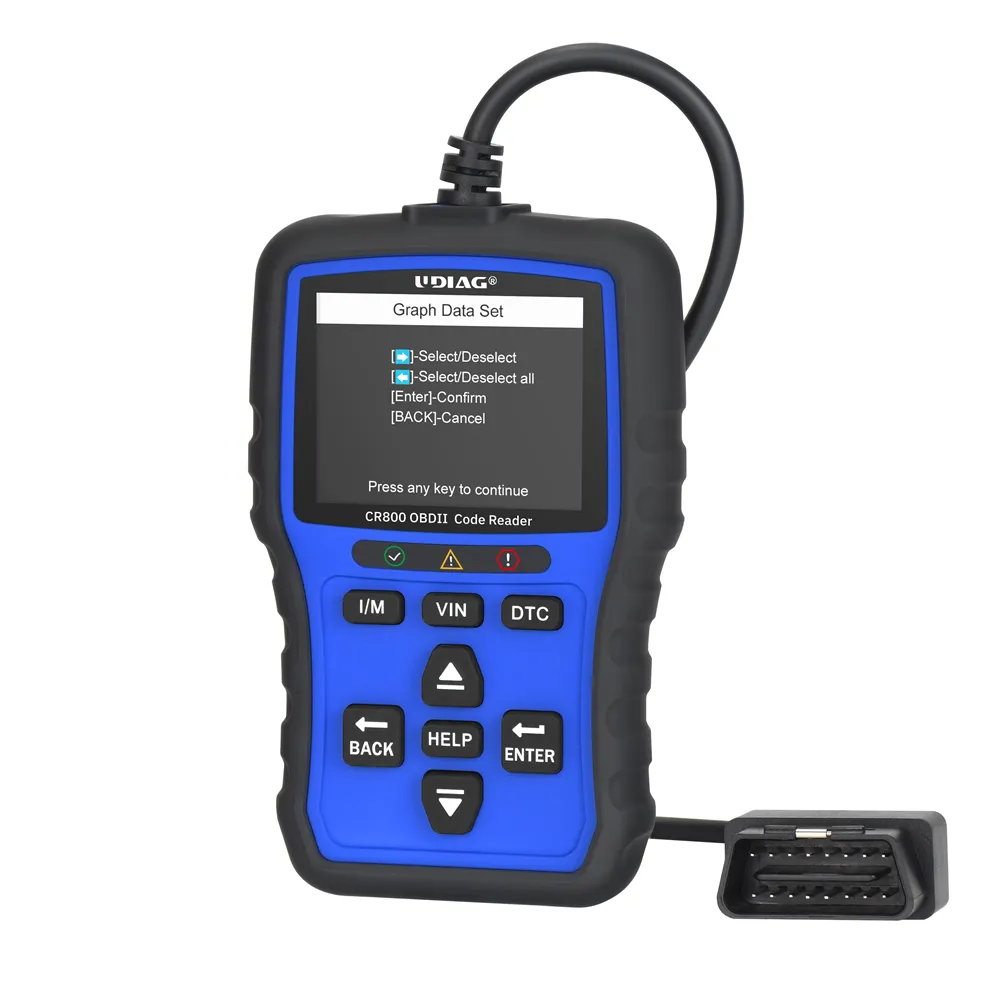
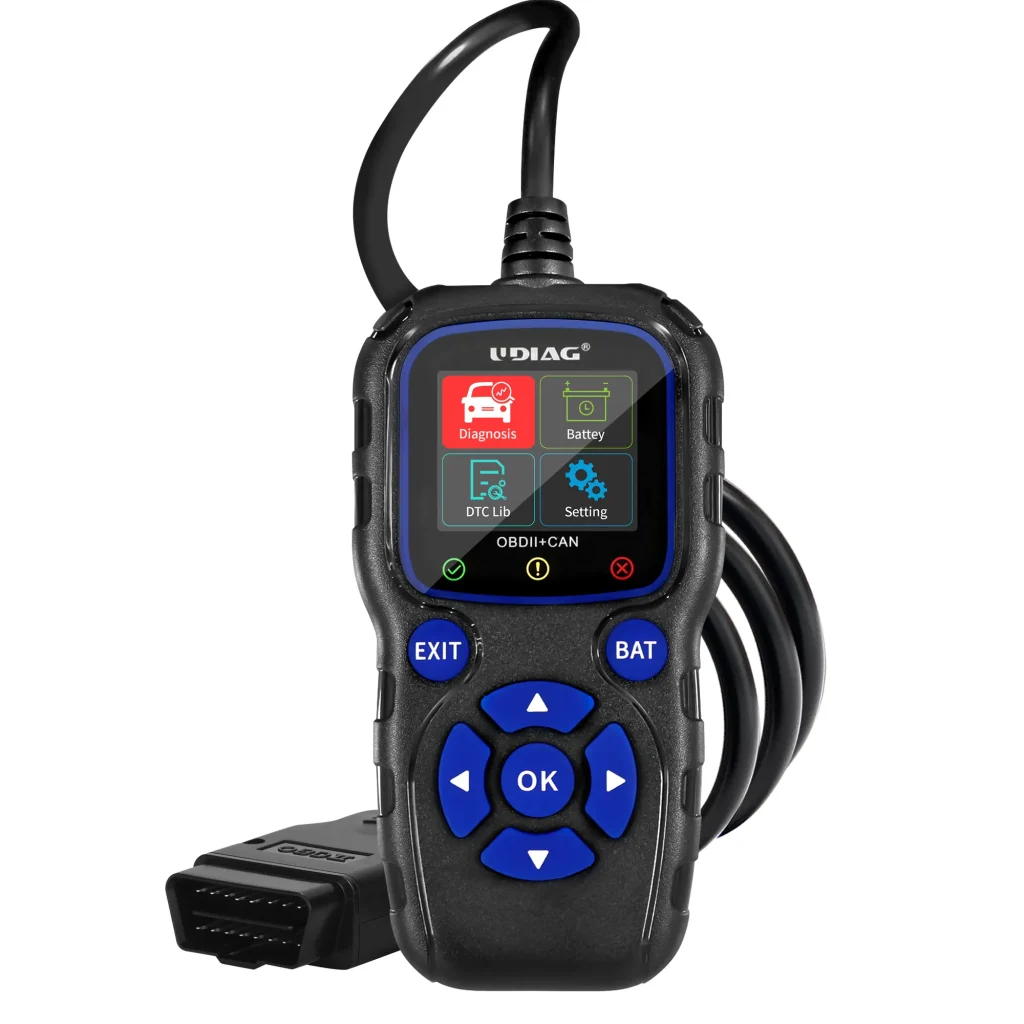
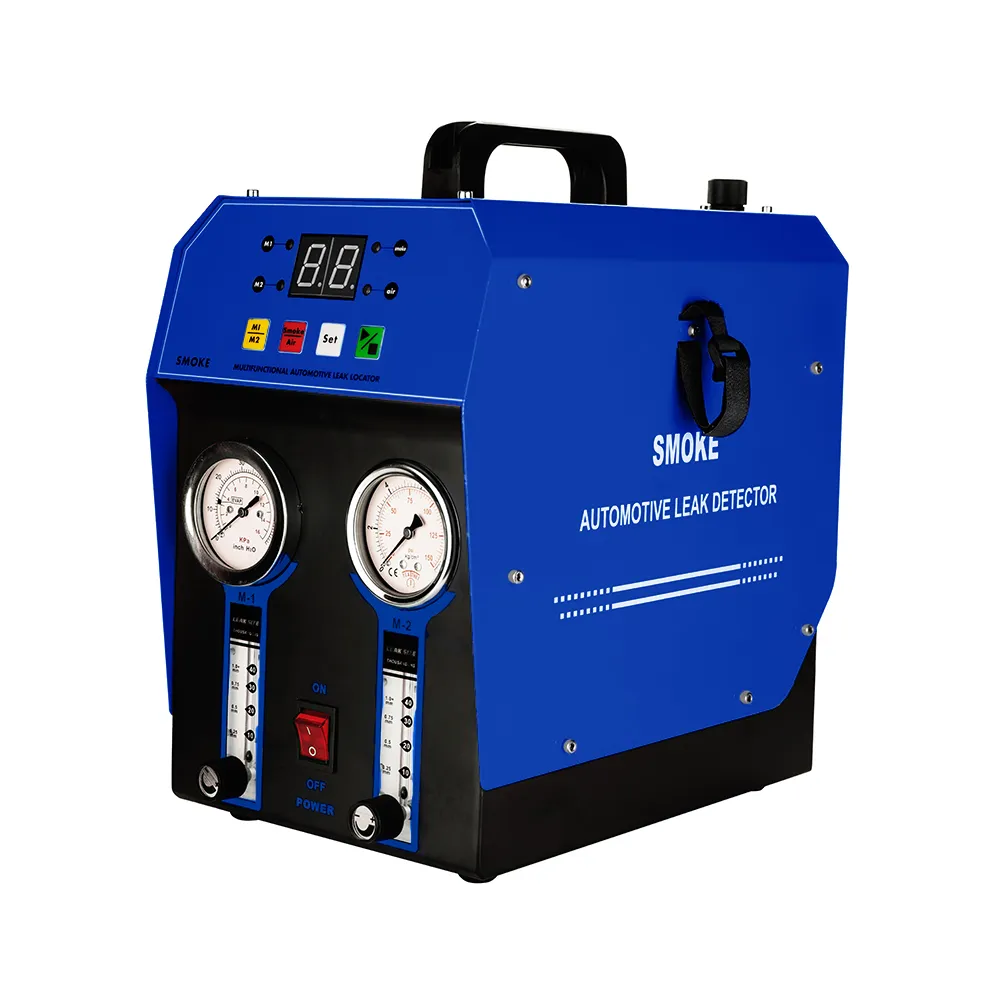

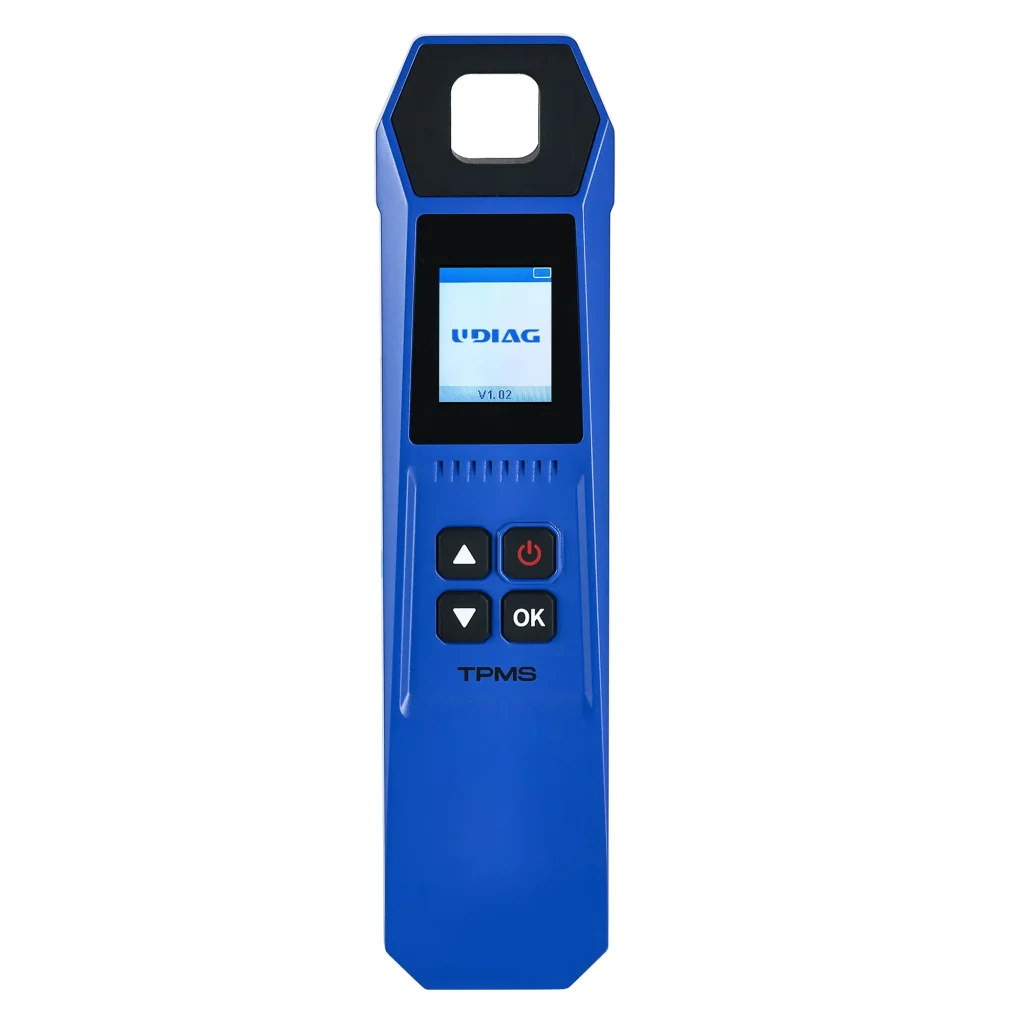
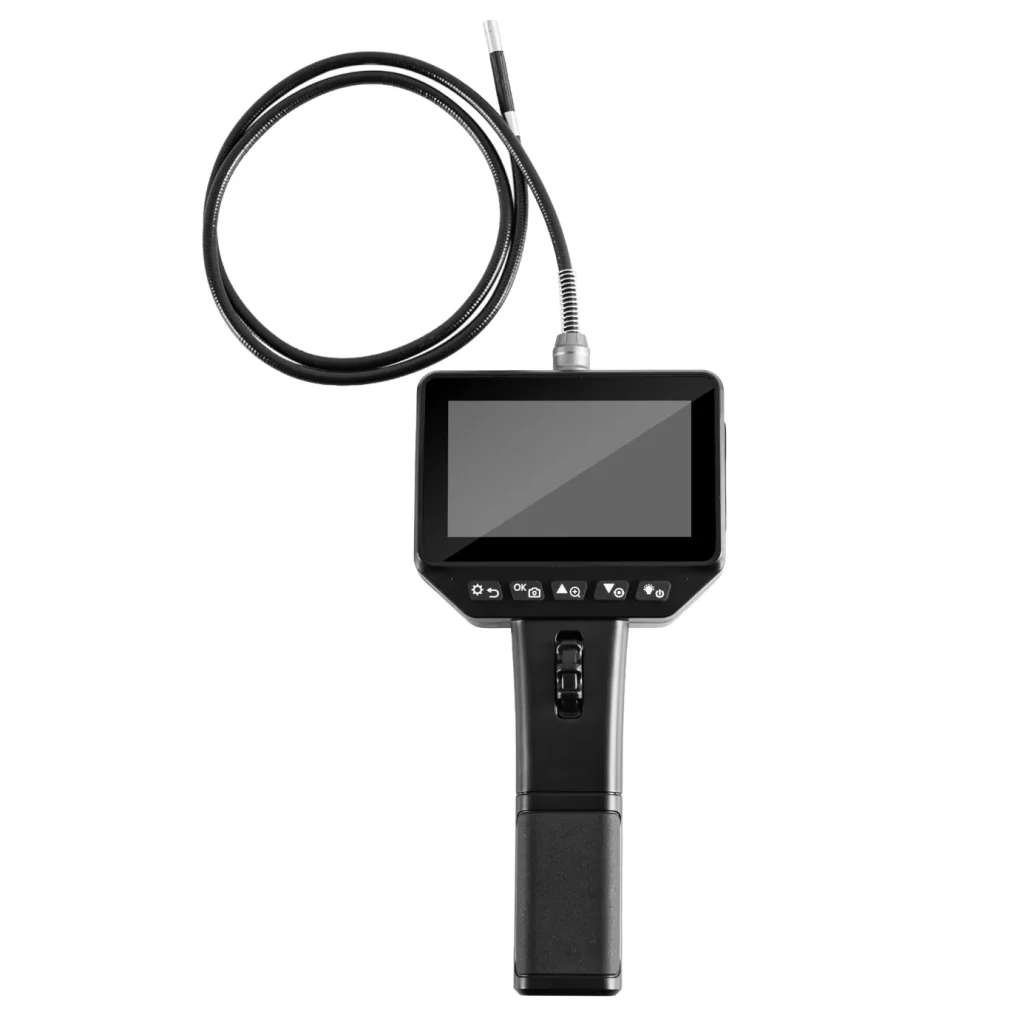
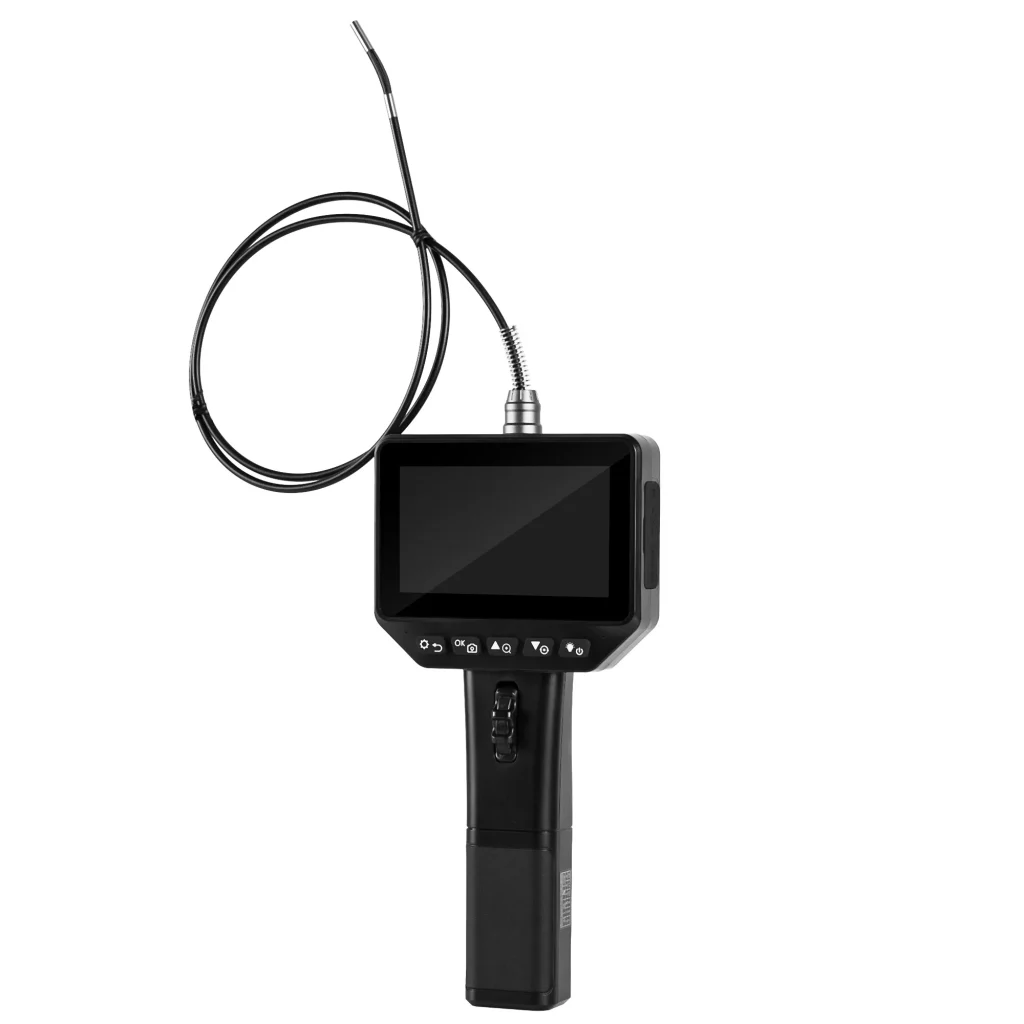
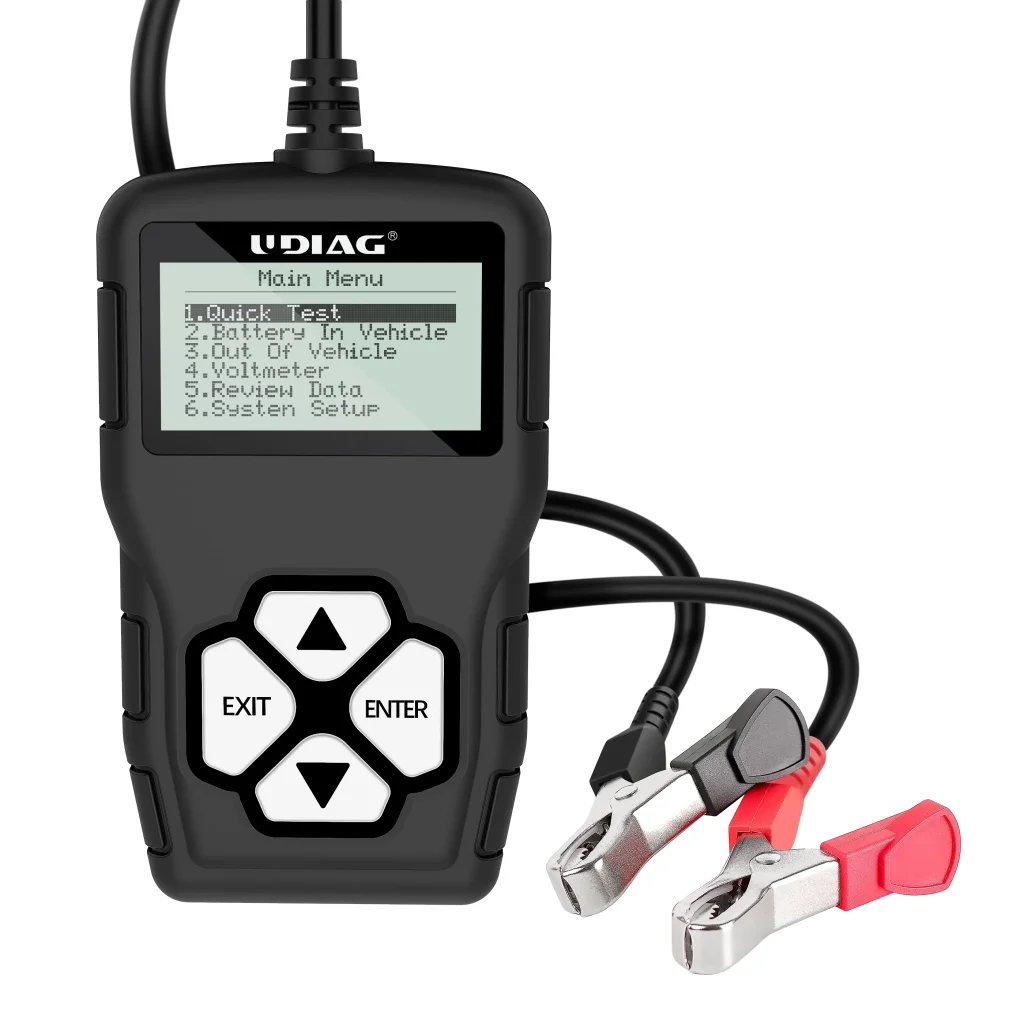
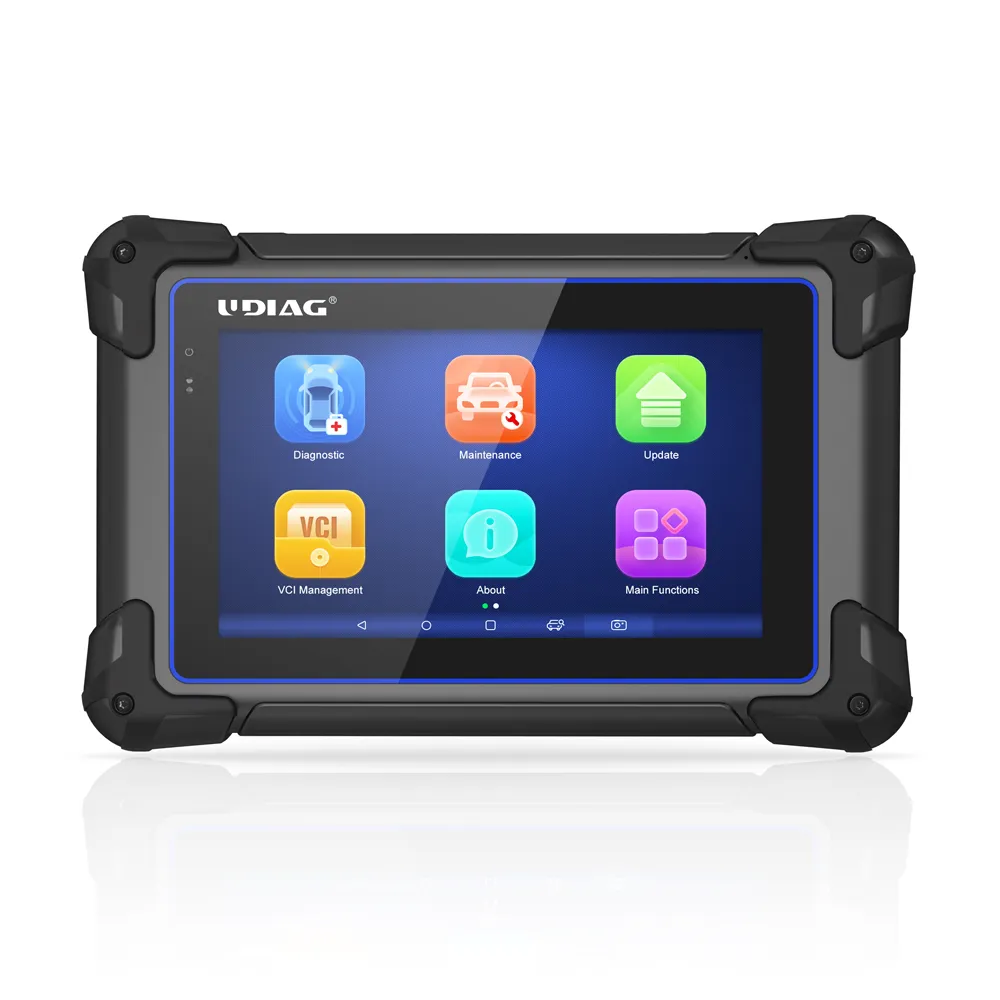
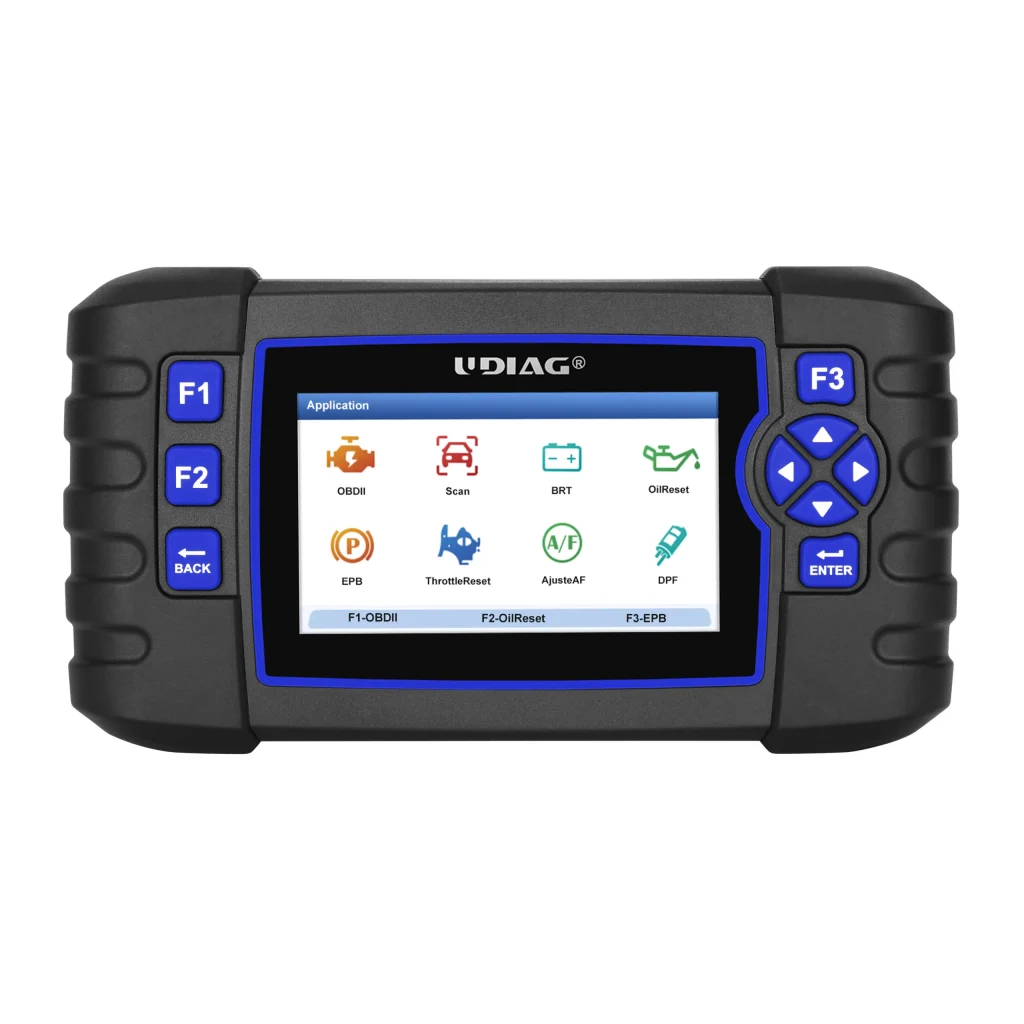
Are you tired of those mysterious check engine lights or strange engine noises in your car? Don’t worry; you’re not alone. Automotive diagnostics have come a long way, and professional automotive diagnostic scanners are here to make your life easier. In this guide, we’ll explore the world of automotive diagnostic scanners, helping you find the best one for your needs.

I. Understanding Automotive Diagnostic Scanners
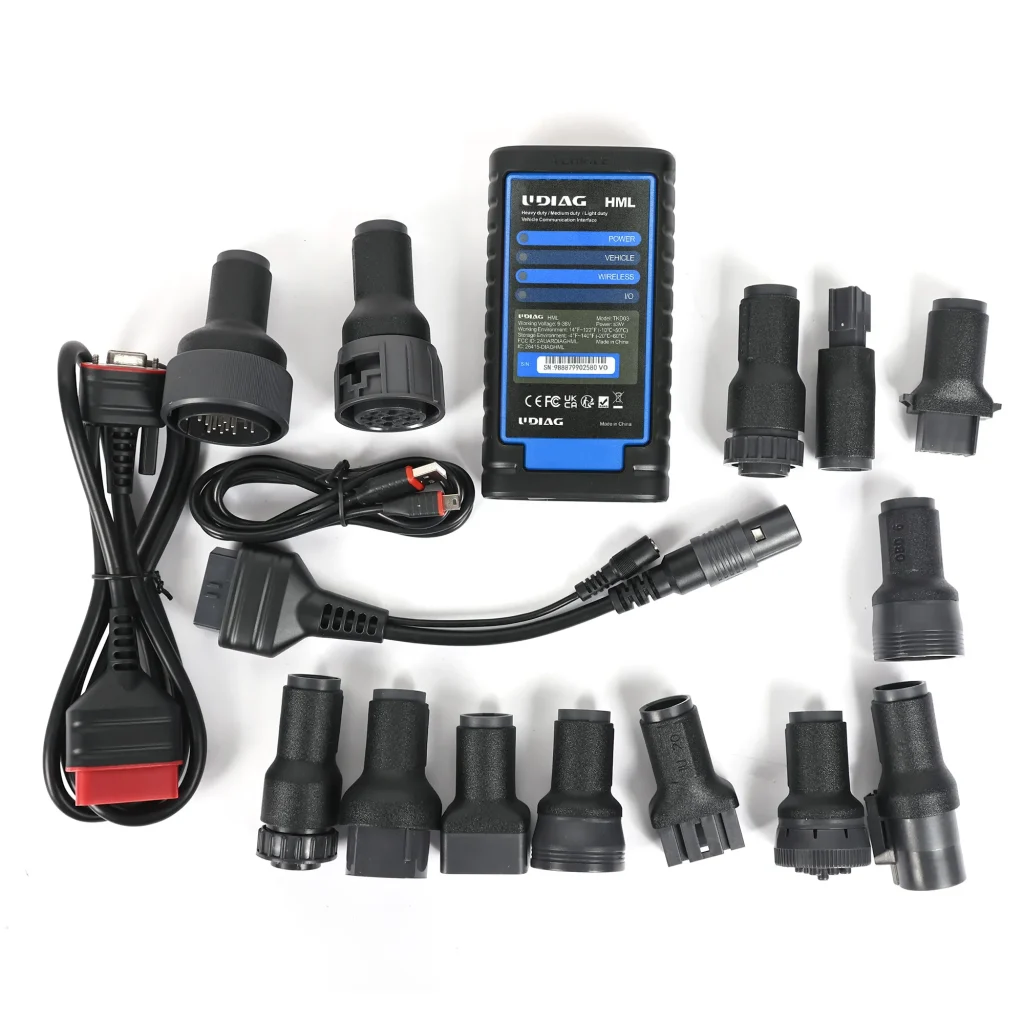
Before diving into the world of professional automotive diagnostic scanners, it’s crucial to understand what they are and how they work. These devices are like the doctors of your car, capable of diagnosing various issues, both big and small. Whether it’s a minor sensor problem or a major engine malfunction, a good scanner can pinpoint the issue with accuracy.
II. Types of Automotive Diagnostic Scanners
Not all diagnostic scanners are created equal. There are several types available, each with its own set of features and capabilities. The main categories include:
- OBD-I Scanners: These are older scanners primarily used for vehicles manufactured before 1996. They have limited compatibility and functionality compared to newer models.
- OBD-II Scanners:These scanners are the most common and work with vehicles made after 1996. They provide a broader range of diagnostic capabilities and are what most professionals use.
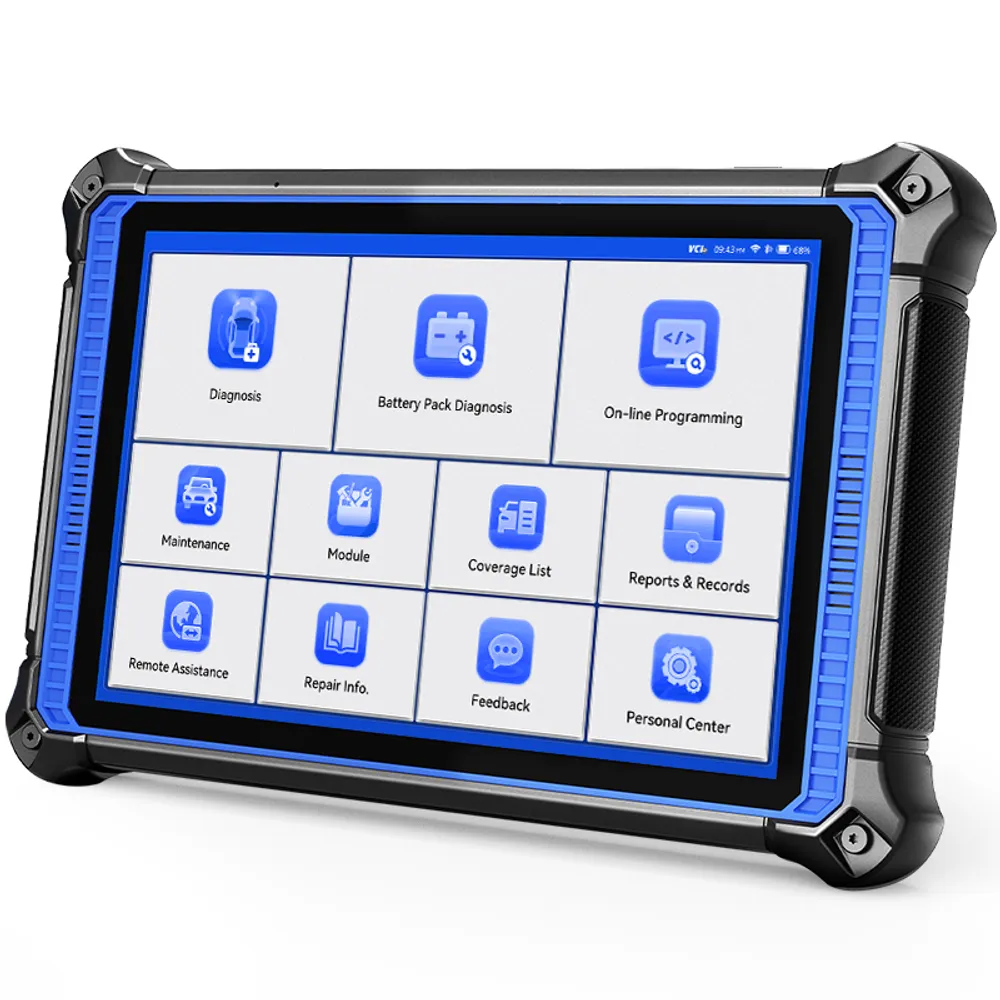
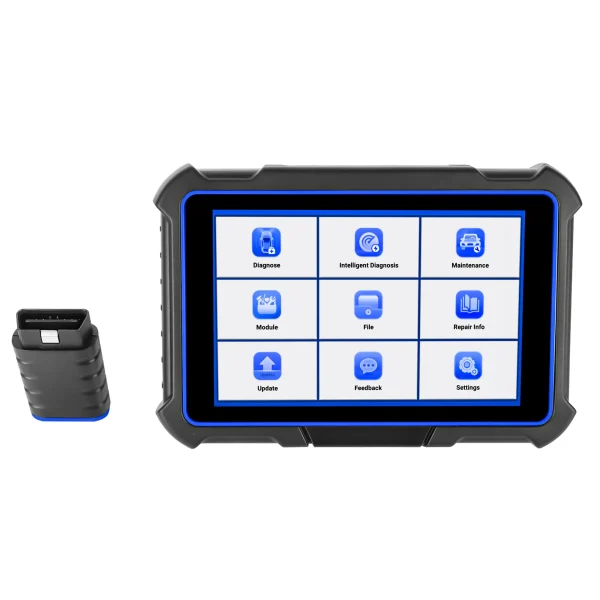
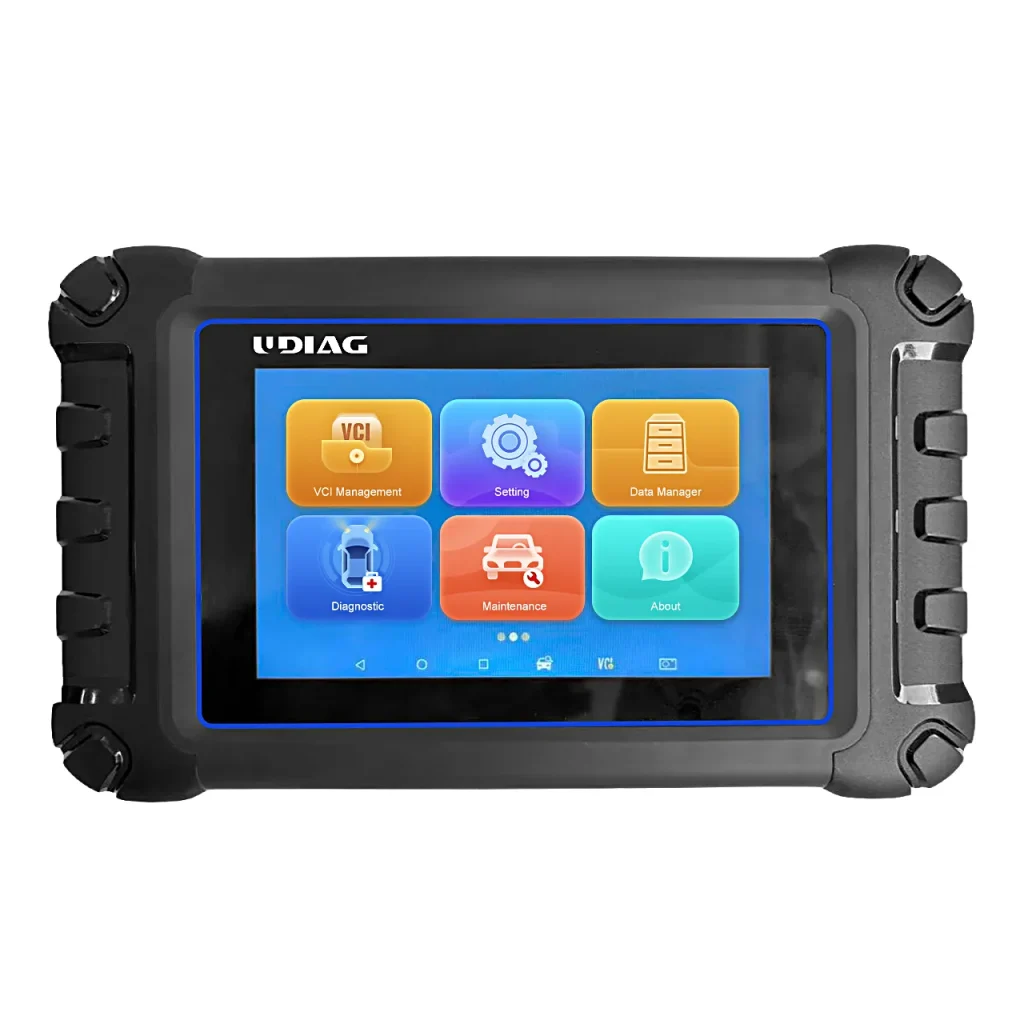
- Professional Scanners:These are advanced OBD-II scanners designed for mechanics and serious car enthusiasts. They offer in-depth diagnostics and come with various advanced features.
III. Features to Look for in a Professional Scanner
When searching for the best professional automotive diagnostic scanner, certain features should be on your checklist. These include:
- Compatibility: Ensure the scanner works with your specific car make and model.
- Live Data: The ability to view real-time data from your vehicle’s sensors.
- Diagnostic Accuracy: Look for a scanner with a high level of accuracy in pinpointing issues.
- User-Friendly Interface: A user-friendly interface makes using the scanner more accessible.
- Updates: Regular software updates to keep your scanner current.
- Data Storage: The capacity to store diagnostic data for future reference.
IV. How to Choose the Right Scanner for Your Needs
Selecting the best professional automotive diagnostic scanner depends on your specific needs. Consider factors such as your level of expertise, the vehicles you work on, and your budget. Remember that investing in a high-quality scanner is a long-term investment in your automotive troubleshooting skills.
V. Tips for Using Professional Automotive Diagnostic Scanners
Once you’ve chosen the right scanner, make the most of it with these tips:
- Read the Manual: Familiarize yourself with the scanner’s features and functions.
- Regular Updates: Keep the scanner’s software up to date for accurate diagnostics.
- Practice: Practice using the scanner on various vehicles to improve your skills.
- Safety First: Always follow safety precautions while working on vehicles.
Conclusion
In conclusion, the best professional automotive diagnostic scanner can be a game-changer for both mechanics and car enthusiasts. With the right tool in your hands, you can quickly diagnose and fix vehicle issues, saving time and money.
FAQs
1. What is the difference between OBD-I and OBD-II scanners?
OBD-I scanners are designed for older vehicles, while OBD-II scanners are for newer ones. OBD-II scanners offer more advanced diagnostic capabilities.
2. Can I use a professional scanner for personal vehicle diagnostics?
Absolutely! Professional scanners are suitable for personal use and can help you maintain your vehicle more effectively.
3. Are software updates important for a diagnostic scanner?
Yes, regular software updates ensure your scanner can diagnose the latest vehicle models and issues accurately.
4. Do professional scanners work with all car makes and models?
Not all professional scanners are universal. Make sure the scanner you choose is compatible with the vehicles you’ll be working on.
5. How often should I calibrate my professional scanner?
Calibration frequency varies by brand and model. Refer to the manufacturer’s guidelines for the best practices regarding calibration.